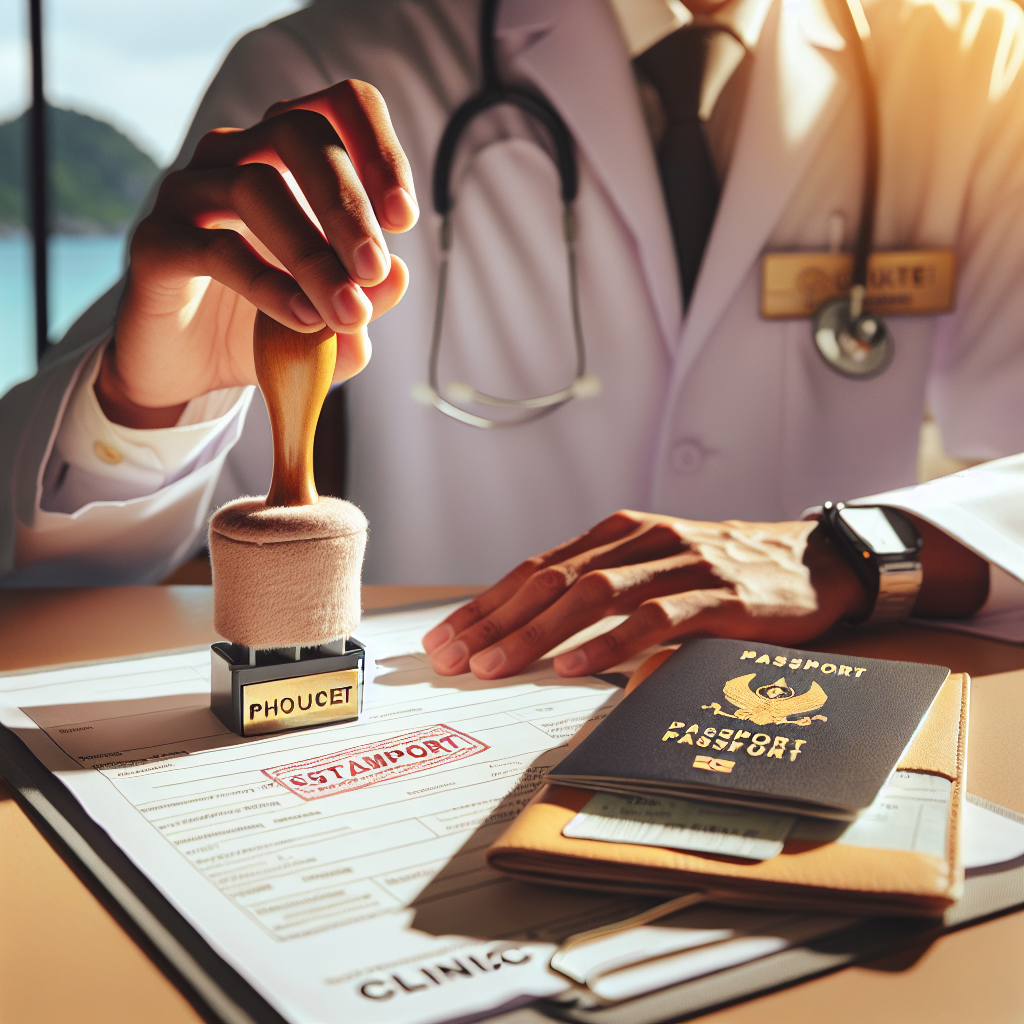
If you need a medical certificate in Phuket for a visa, work permit, scuba diving clearance, insurance claim, or last-minute travel, this practical guide walks you through the process. You will get clear steps on which certificate matches your purpose, what tests are typically required, realistic timelines and costs, and exactly what documents to bring. It also explains how to obtain the certificate at Takecare Clinic Phuket, including booking, on-site diagnostics, certificate format, and common pitfalls that lead to rejection by airlines, embassies, or employers.
1. Why you might need a medical certificate in Phuket and which type to choose
Key point: Not all medical certificates are interchangeable. The authority asking for the document — an airline, an embassy, a PADI instructor, or an insurer — usually expects a particular format, specific tests, and sometimes an original signed-and-stamped paper. Getting the wrong type wastes time and risks rejection at the border or boarding gate.
Practical distinction: A basic fit-to-fly letter is a physician statement about acute fitness to travel and can often be issued same-day after a short exam. A work-permit or visa health certificate is typically a panel: physical exam, chest x-ray, urinalysis and routine blood tests; that package often needs 24 to 72 hours. A PADI diving clearance focuses on cardiovascular and respiratory screening and uses the PADI medical questionnaire.
Trade-off to plan for: Speed versus completeness. If you need a same-day document, expect a limited certificate that covers acute fitness only. If the receiving authority requires lab confirmation or x-ray, rushing to a same-day solution will either fail or force a provisional certificate and follow-up — which many embassies will not accept.
Concrete example: An expat applying for a Thai work permit booked a chest x-ray and blood panel at Takecare Clinic Phuket. Results took 48 hours; the clinic issued the completed hospital-style certificate with physician license number and clinic stamp, which the employer submitted to immigration. A tourist needing a last-minute fit-to-fly obtained a same-day physician note, but the airline insisted on the original paper at check-in, causing a delay at the airport.
How to pick the right certificate for your situation
- Airline fit-to-fly: Physician statement, date/time, signature, clinic stamp; bring airline policy or screenshot when booking.
- Visa / work permit: Panel tests (chest x-ray, FBC, urinalysis), official form fields completed, physician license number and clinic stamp.
- Diving (PADI): Completed PADI medical questionnaire plus physician clearance for any flagged items; specialist referral if cardiopulmonary issues appear.
- Insurance / claims: Documented clinical findings and test results tied to the incident or chronic condition; insurers often want chronological medical records.
What people get wrong: Many assume a scanned PDF will do. In practice, embassies and some airlines insist on the original signed and stamped document or a notarized translation. Clinics can provide translation and notarization referrals, but acceptance rules are set by the receiving authority, not the clinic.
If time is tight, call the receiving authority first and ask exactly which fields, signatures, and validity window they require. That single call saves wasted tests, time, and money.
Frequently Asked Questions
Straight answer up front: most common questions are about timing, format, and acceptance. Below are direct, practical replies that reflect what actually happens in Phuket clinics and at check-in counters — not theoretical guidance.
How fast can I get a medical certificate?
Typical turnaround: a plain fit-to-fly doctor's note is often produced same-day after a short exam, while certificates that require panels (x-ray, blood, urinalysis) normally need 24 to 72 hours. Trade-off: faster service means fewer tests and less evidentiary weight; if an embassy or employer requires test results, speed is rarely negotiable. For clinic booking and timing see Takecare Clinic Phuket booking.
What must the clinic include so the certificate won't be rejected?
Don't leave critical fields blank. Practical essentials are physician name and license number, clinic stamp, legible signature, date/time, and exact wording requested by the receiving authority. If they supply a form, bring the original so the physician can fill it in directly. Clinics can prepare documents but cannot guarantee acceptance — the receiving organization sets the final rule.
Will a scanned PDF usually work?
Reality check: some airlines accept scanned PDFs; consulates and many embassies often insist on originals, notarization, or legalized copies. Airlines' rules vary widely — consult your carrier or check IATA guidance if unsure. If you rely on a scan, carry the original when you travel.
Do you provide certificates in English and can they be notarized or translated?
Yes, clinics commonly issue English-language certificates and can recommend certified translators or notaries. Expect extra time and fees for notarization or consular legalization. If the receiving authority specifies a certified translation or apostille, arrange that before your deadline — these steps are administrative and add days, not hours.
What happens if a test comes back abnormal and I have travel soon?
Practice note: an abnormal result can delay certification and may require follow-up or specialist clearance. Clinics will document findings and advise next steps; they will not sign a clearance if test results contradict fitness. Plan for contingencies — buy flexible tickets or leave extra time when a panel is required.
Concrete example
Real-world case: A tourist booked a same-day fit-to-fly at Takecare Clinic Phuket and received a signed letter by midday. At airline check-in the agent requested the original paper, not a PDF. The patient returned to the clinic for an original stamped copy and caught the flight with a two-hour delay; the disruption would have been avoided by confirming the airline policy before booking.
Actions to take now: call the airline/embassy to confirm format and validity window; book at least 48–72 hours ahead for panel tests; when booking with Takecare Clinic Phuket state the certificate type and any preprinted form names; request both a PDF and an original stamped copy, and ask about courier options if you cannot collect in person.