

Clinically reviewed by Dr. Ponlawat Pitsuwan, Physician, Takecare Clinic Phuket.
Last reviewed: October 2026
GLP-1 dose escalation is a slow, step-by-step process that starts at the lowest possible dose and increases at set intervals, usually every four weeks. This is not caution for caution’s sake. Your gut needs time to adapt at each level before the dose goes higher. Most people experience some nausea when the dose increases, and this usually settles within one to two weeks. If side effects are too strong at any step, the dose can be held or stepped back with physician guidance.
You are three weeks into your semaglutide pen, eating well, and then the calendar says it is time to go up. You are midway through a two-month stay in Kamala or Laguna, your prescribing doctor is back home, and you are not sure whether the nausea from last month will come back worse. You are also not sure whether skipping the increase and staying where you are is safe or just wishful thinking.
That hesitation is reasonable. It is also exactly the moment when a clear picture of GLP-1 dose escalation makes a real difference.
The low starting dose is not a warm-up. It is a deliberate protocol that lets your stomach and gut adapt before a higher dose is added. Side effects tend to peak in the first week or two after each step and then ease. Knowing what to expect, and knowing when to hold rather than push forward, is what separates a manageable escalation from one that leads to stopping altogether.

Why the Lowest Dose Exists
GLP-1 receptor agonists like semaglutide and tirzepatide slow how fast food leaves your stomach. At a low dose, this effect is modest and most guts tolerate it without trouble. Apply a high dose from day one and that same effect can cause significant nausea, vomiting, and bloating because the gut has not had time to adjust.
This is why every prescribing guideline for semaglutide starts at 0.25 mg weekly. That dose has no meaningful weight loss effect on its own. Tirzepatide starts at 2.5 mg weekly for the same reason. These entry doses are about tolerability. The therapeutic work happens at higher doses.
The Standard GLP-1 Dose Escalation Schedule
For semaglutide (Ozempic for type 2 diabetes, Wegovy for weight management), the schedule increases at four-week intervals. The steps move from 0.25 mg to 0.5 mg, then to 1 mg. For Wegovy the escalation continues through 1.7 mg to the 2.4 mg maintenance dose. Each step is held for at least four weeks before the next increase.
For tirzepatide (Mounjaro), the schedule starts at 2.5 mg weekly and increases in 2.5 mg steps at four-week intervals, moving through 5 mg, 7.5 mg, 10 mg, 12.5 mg, and up to 15 mg. The maintenance dose is the highest dose a patient tolerates well. Not everyone reaches the top of the schedule, and that is clinically acceptable.
These timelines come from the prescribing labels for each medication. Escalating faster than the label schedule increases the risk of severe GI side effects and is not supported by current evidence. Your prescriber may hold you at a step longer than four weeks if needed.
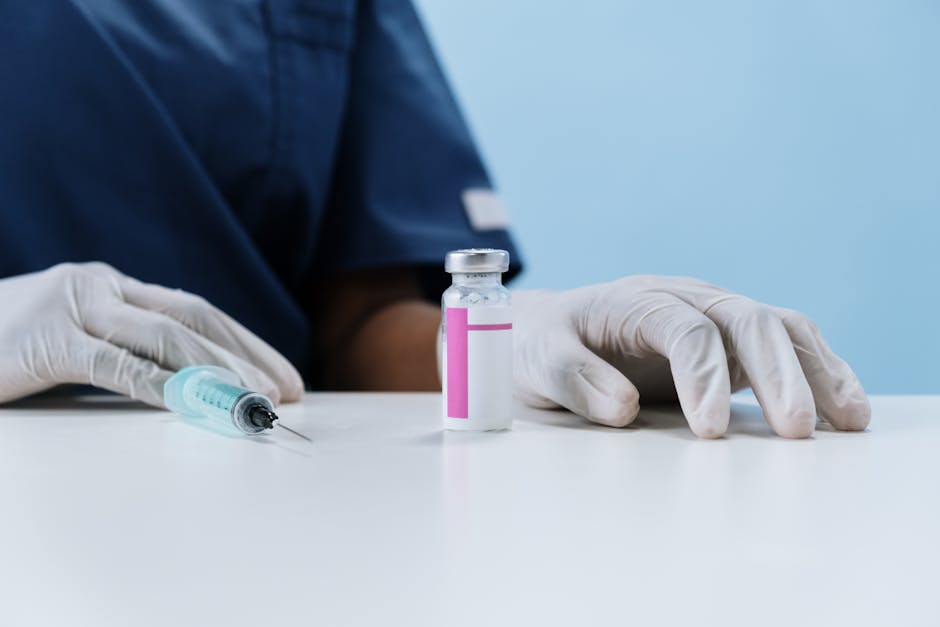
What Each Stage of GLP-1 Dose Escalation Actually Feels Like
The starting dose is often unremarkable. Some people notice mild nausea in the first day or two. Most notice something subtler: a quiet reduction in food noise, the background pull toward seconds or a late snack that usually runs in the background. That shift can feel strange if you are used to thinking about food constantly. It is the first sign the medication is working.
The first dose increase is where most people feel the change. Nausea becomes more noticeable, typically in the first few days after the injection. Foods that sat fine before, anything fatty, very rich, or in large portions, may now cause bloating or discomfort. Appetite suppression becomes stronger.
By the middle escalation steps, the GI effects usually ease between increases. Satiety comes faster. Meals feel satisfying at smaller portions without much effort. Some people notice a shift in how alcohol affects them. GLP-1s slow gastric emptying, so alcohol is absorbed differently and tolerance can shift. This matters in Phuket, where a beach day in Surin or a night along Bangla Road involves a different drinking pattern than a weeknight at home.
At the higher doses, appetite suppression is strong and consistent. Food noise is largely gone for many patients. Some people feel essentially normal between injections. Others still notice nausea for a day or two after each weekly dose. Constipation becomes more common at higher doses than at lower ones.
Managing Side Effects During Dose Escalation
The single most useful adjustment is eating less at each meal and eating more slowly. Smaller, lower-fat meals reduce the load on a stomach that is already emptying slowly. Cold or room-temperature foods are generally better tolerated than hot, heavy dishes. This is practical advice whether you are at a villa in Kamala or eating out in Patong.
Hydration matters more in a tropical climate. Nausea, vomiting, or loose stools after a dose increase can cause fluid loss fast, and in Phuket’s heat, dehydration sets in faster than people from cooler climates expect. Electrolyte replacement, not just water, is relevant if you are vomiting or have diarrhea. If GI symptoms are severe enough that you cannot keep fluids down, that warrants clinical assessment rather than home management. Takecare Clinic Phuket offers urgent care walk-in consultations for this, no appointment needed.
Anti-nausea medication is sometimes prescribed alongside GLP-1 therapy to bridge difficult escalation periods. This is a clinical decision. Alcohol amplifies GI symptoms during dose escalation and is worth reducing during the first two weeks after each increase.
When to Hold a Dose or Step Back Down
Most prescribing protocols allow a hold at any escalation step for up to four weeks if side effects are intolerable or circumstances make escalation unwise. Illness, surgery, significant travel disruption, or severe vomiting are all valid reasons to pause. Holding means staying at the current dose, not stopping.
Stepping back down a tier is also a legitimate clinical option. If a dose increase causes persistent nausea, vomiting, or significant functional impairment beyond the first two weeks, returning to the previous dose is safer than pushing through. The decision to hold, step back, or continue escalating belongs with a physician.
If you are managing GLP-1 escalation without your home GP within reach, a walk-in review at Takecare Clinic Phuket gives you clinical oversight without needing to arrange anything in advance. You can read more about what to expect in your first weeks on GLP-1 if you are starting treatment or managing early escalation here.
How to Know the Dose Is Working
The sign that a dose is working is not primarily the scale. It is appetite change. If food noise has reduced, portions are smaller without effort, and you feel satisfied earlier in a meal, the medication is doing what it should. Weight change follows, but it is slower and more variable.
A widely used clinical benchmark is around 5 percent body weight loss within the first three months of reaching a therapeutic dose. If that is not happening after sufficient time at a given tier, escalating to the next step is usually the right clinical move, assuming tolerability allows. This decision needs a physician’s assessment, ideally including a blood pressure and blood glucose review. A blood test in Phuket can help a physician here understand where you are metabolically before making any adjustment.
GLP-1 Dose Escalation When You Are Staying in Phuket
Cold-chain storage is a real practical issue. Unopened pens must be refrigerated at 2 to 8 degrees Celsius. An in-use pen can be kept at room temperature, but the storage limit for most brands is around 30 degrees Celsius, and Phuket regularly exceeds that during a beach day, a long tuk-tuk ride, or a walk around Phuket Town in the afternoon. A small cooler bag or the hotel minibar solves this for most situations. A pen left in direct sun or a hot car may no longer be reliable.
In Thailand, injectable GLP-1 medications are classified as special controlled drugs and require a prescription from a licensed physician. You cannot walk into a pharmacy and buy semaglutide over the counter. If you are managing an ongoing escalation while staying in Phuket and need a prescription review or a clinical check-in, a prescription refill in Phuket through Takecare Clinic Phuket covers this without needing to wait for a video call with a doctor several time zones away.
If you arrive mid-escalation and something has gone wrong, or if you have been unwell with something unrelated, a health check-up at Takecare Clinic Phuket can give a physician a full picture before any dose decision is made.
Managing GLP-1 dose escalation while in Phuket? Takecare Clinic Phuket is open for walk-in consultations with no appointment needed, based in Patong and seeing patients from Bang Tao and Laguna to Rawai and Chalong. An English-speaking physician can review your current dose, assess tolerability, and help you decide whether to progress, hold, or step back. Come in when you need to.
FAQ
Dr. Ponlawat Pitsuwan
Physician, Takecare Medical Clinic Phuket
a walk-in medical clinic based in Patong with no appointment needed and English-speaking physician care for the whole island. He sees tourists, expats, and residents across Phuket for GLP-1 therapy management, prescription reviews, and ongoing metabolic health support. His focus is straightforward, evidence-based care delivered in plain language.
References
- Wilding JPH, et al. Once-Weekly Semaglutide in Adults with Overweight or Obesity (STEP 1). New England Journal of Medicine, 2021.
- Jastreboff AM, et al. Tirzepatide Once Weekly for the Treatment of Obesity (SURMOUNT-1). New England Journal of Medicine, 2022.
- Novo Nordisk. Wegovy (semaglutide) Prescribing Information. U.S. FDA label, 2021.
- Eli Lilly. Mounjaro (tirzepatide) Prescribing Information. U.S. FDA label, 2022.
- Davies M, et al. Semaglutide 2.4 mg once a week in adults with overweight or obesity, and type 2 diabetes (STEP 2). The Lancet, 2021.00213-0/fulltext)
The information in this article is for educational purposes only and does not constitute medical advice. It should not be used to self-diagnose or replace a consultation with a qualified physician. If you have concerns about your health, contact a licensed medical professional. For appointments at Takecare Clinic Phuket, visit takecareclinicphuket.com.
