
Clinically reviewed by Dr. Ponlawat Pitsuwan, Physician, Takecare Clinic Phuket.
Last reviewed: November 2026
Phuket haze season raises PM2.5 levels, fine particles that sit deep in the lungs and irritate the airways. Children, elderly visitors, pregnant women, and anyone with asthma or a heart condition are most affected. When AQI climbs above 100, sensitive groups should reduce time outdoors and limit strenuous activity. If symptoms persist indoors or your inhaler is not controlling your breathing, see a doctor the same day.
You are three days into a holiday in Rawai. The sea looks perfect, but the whole sky has gone a flat milky white. It is not cloud. By mid-morning your throat feels dry and your eyes are itching. If you have asthma, you may already be reaching for your inhaler more than usual. If you have kids with you, you are wondering whether this is serious or just an inconvenience.
Phuket air quality is genuinely good for most of the year. But there are two distinct windows when PM2.5 rises fast and stays elevated for days. Knowing when those windows fall, who is most at risk, and when to stop managing symptoms at the hotel matters.
When Haze Reaches Phuket
Phuket gets its haze from two different directions depending on the time of year. Most visitors only know about one of them.
The first window runs roughly from August to October. This is transboundary haze: smoke carried northwest from Indonesian and Malaysian peatland fires drifting across the Strait of Malacca to the island’s southern and western coasts. It tends to arrive suddenly and can persist for weeks. It has nothing to do with anything happening locally on the island.
The second window is February to April. Agricultural burning from northern Thailand and parts of mainland Southeast Asia produces smoke that travels south. This window tends to produce the sharper PM2.5 spikes on Phuket’s monitoring stations and catches visitors off guard because the sky looks clearer earlier in the season.
The Thai Pollution Control Department publishes readings through the Air4Thai platform. Independent monitors including IQAir and aqicn.org also cover Phuket. During active haze events, official Thai readings and independent monitors have diverged. The Thai national PM2.5 standard sits higher than the WHO guideline, so a reading the Thai government considers within range may still exceed what WHO considers safe. Check IQAir or aqicn.org on the day, not just one source.
Who Is Most Affected by Phuket Air Quality
For a healthy adult spending a week in Patong or Kata, a moderate haze day is unpleasant but not medically dangerous. The picture changes for specific groups.
Children are more vulnerable because they breathe faster relative to body weight, spend more time outdoors, and their airways are still developing. This applies to children staying in Bang Tao villas, Nai Harn beachfront hotels, and Chalong family homes equally. Parents often notice coughing and eye irritation before they notice the AQI has risen.
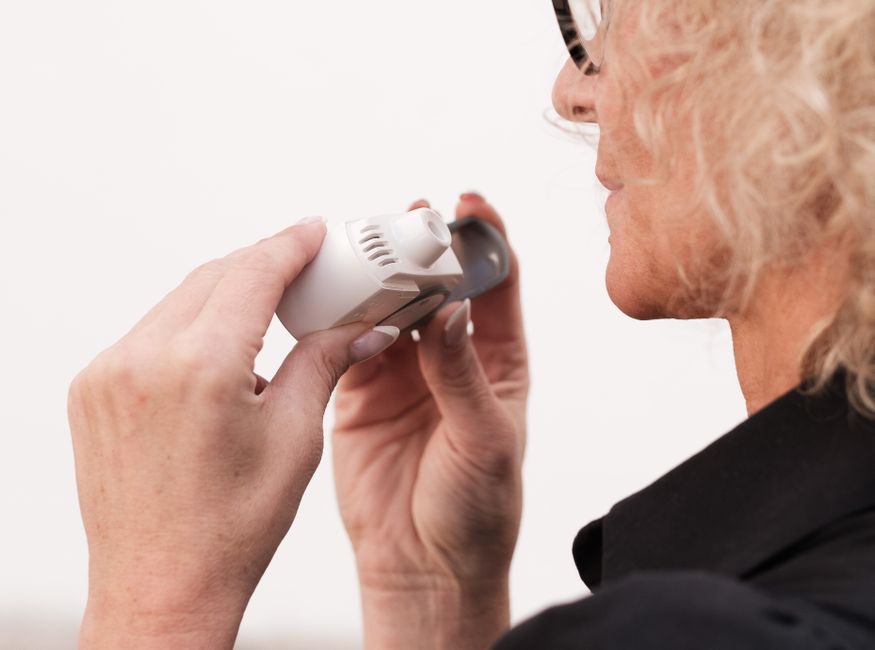
Anyone with a pre-existing lung condition, including asthma, COPD, or chronic bronchitis, is at meaningful risk during haze days. PM2.5 particles reach the lower airways and can trigger an asthma flare or worsen an existing infection. If you have asthma and you are in Phuket during haze season, review the information on asthma treatment in Phuket before symptoms escalate.
Elderly visitors and those with heart conditions are also in the sensitive group. Cardiovascular strain from sustained PM2.5 exposure is a recognised concern, particularly for long-stay expats who accumulate exposure across multiple haze seasons. A short-stay tourist and a resident of Cherng Talay who has lived through three haze seasons face a different risk profile from each other.
Masks and Indoor Air During Haze Season
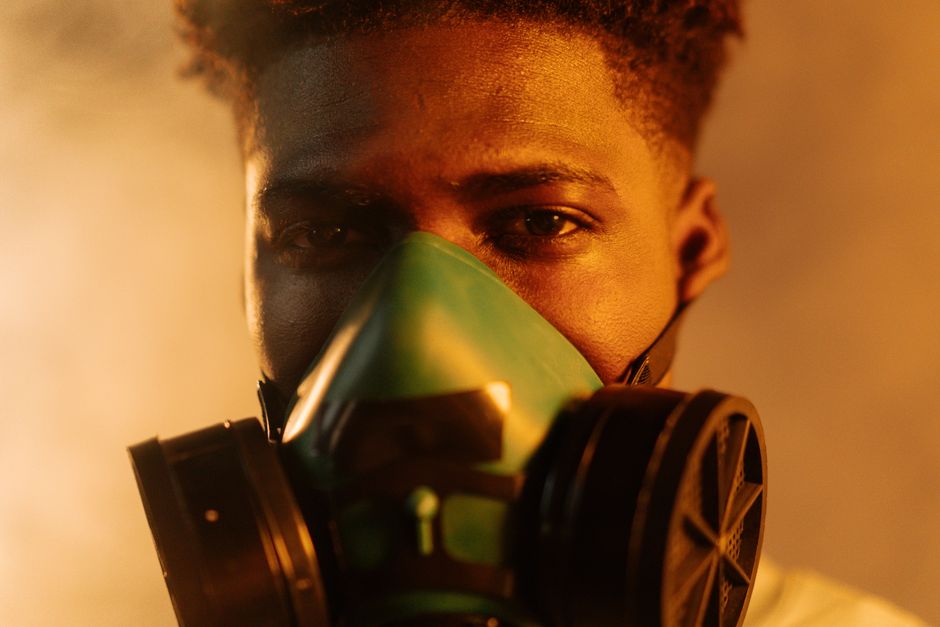
A surgical mask does not filter PM2.5. It is designed to block large respiratory droplets, not fine particulate matter. During haze, it offers false reassurance. An N95 or KN95 mask filters at least 95 percent of particles when it seals correctly against your face.
Fit matters as much as the rating. Put the mask on and exhale sharply. If you feel air escaping around the nose bridge or sides, it is not sealing. Adjust the nose wire until there is no gap. A damp mask should be replaced. For children, an adult-sized N95 will not seal on a smaller face. Child-sized N95s exist but are not always easy to find in Phuket pharmacies, so bring them from home if you are travelling with young children during haze months. For more on managing respiratory and allergic symptoms triggered by haze, the allergy treatment page covers related options.
Indoors, keeping windows closed during peak haze hours helps. A HEPA air purifier in a bedroom reduces particle exposure meaningfully, particularly overnight. For expats staying in condos in Kamala or Surin during a prolonged haze event, this is worth the investment. A nasal saline rinse can help clear irritants from the upper airways and is available at any pharmacy on the island.
When to See a Doctor for Haze-Related Symptoms
Mild throat irritation and eye itching that ease once you are indoors are typical haze responses in otherwise healthy adults. You do not need a doctor for those.
Go the same day if your breathing feels tight and your rescue inhaler is not giving the usual relief. Go if you have a cough that has not improved after 48 hours indoors. A fever alongside respiratory symptoms also needs same-day assessment. A fever with a cough during haze season is not automatically haze-related. It may be an infection, including bronchitis, that developed on top of PM2.5 irritation. These need proper assessment, not just home monitoring. The bronchitis treatment page covers what that assessment involves.
For children: if coughing persists beyond 48 hours indoors, the child is wheezing, breathing is visibly laboured, or they have a fever, do not wait. The same applies to any child with known asthma whose reliever is not controlling symptoms.
If you have run out of a preventer inhaler during your stay, a physician at Takecare Clinic Phuket can review your existing prescription and issue a local one. Bring the original packaging or a photo of the medication name and dose. No appointment is needed. The clinic is on Prachanukhro Road in Patong and sees patients from across the island, including Rawai, Chalong, Kamala, and Phuket Town.
Experiencing breathing difficulties, a persistent cough, or an asthma flare during Phuket haze season? Takecare Clinic Phuket is a walk-in clinic in Patong with no appointment needed. An English-speaking physician can assess your respiratory symptoms, check your oxygen levels, review or prescribe inhaler medication, and advise on haze protection for your family. We see tourists, expats, and residents from across the island, from Bang Tao and Kamala to Rawai and Phuket Town.
Frequently Asked Questions
Dr. Ponlawat Pitsuwan
Physician, Takecare Medical Clinic Phuket
a walk-in medical clinic based in Patong with no appointment needed and English-speaking physician care for the whole island. He sees tourists, expats, and residents across Phuket for respiratory conditions, haze-related illness, asthma management, and general urgent care during haze season and year-round. His focus is straightforward, evidence-based care delivered in plain language.
References
- World Health Organization. WHO global air quality guidelines: particulate matter (PM2.5 and PM10), ozone, nitrogen dioxide, sulfur dioxide and carbon monoxide. Geneva: WHO; 2021.
- US EPA AirNow. Air Quality Index (AQI) Basics.
- Brook RD, Rajagopalan S, Pope CA, et al. Particulate matter air pollution and cardiovascular disease: an update to the scientific statement from the American Heart Association. Circulation. 2010;121(21):2331-2378.
- Thailand Pollution Control Department. Air4Thai air quality monitoring platform.
- AQLI (Air Quality Life Index), University of Chicago Energy Policy Institute. Thailand Fact Sheet 2025.
- Greenpeace Thailand. Thailand National PM2.5 Air Quality Standard vs WHO Guideline.
The information in this article is for educational purposes only and does not constitute medical advice. It should not be used to self-diagnose or replace a consultation with a qualified physician. If you have concerns about your health, contact a licensed medical professional. For appointments at Takecare Clinic Phuket, visit takecareclinicphuket.com.
