Blood Tests in Phuket: Which Tests You Need, Typical Prices and How to Get Fast Results
Searching for blood test phuket options while visiting or living on the island? This practical guide lists the common tests you may need, realistic price ranges and turnaround times, and step-by-step ways to get fast, accurate results, from walk-in draws to hotel phlebotomy and STAT processing. You will find what to ask for, typical costs in Thai baht and USD, and which clinics and hospital labs provide English reports and same-day service.
Which blood tests are commonly requested in Phuket and why
Common requests are predictable. Tourists and expats in Phuket most often need routine screening panels, metabolic checks, thyroid and diabetes monitoring, vitamin and infectious disease screens, and travel related tests such as PCRs. What matters in practice is not the name of the test but why it is ordered and how quickly you need the result.
Common tests, purpose and simple prep notes
- Complete blood count (CBC): screens for anemia, infection and platelet problems; no fasting, typically available same day and useful as a first line test for fatigue or unexplained bruising.
- Renal panel and liver function tests (LFTs): ordered to assess kidney and liver health or before starting medication; fasting not required unless bundled with lipids.
- Lipid profile: cardiovascular risk check; overnight fasting is traditional though many clinicians accept non fasting panels in routine screening.
- HbA1c and fasting glucose: monitor or screen for diabetes; HbA1c does not require fasting and gives a longer term picture than a single glucose draw.
- Thyroid tests (TSH, free T4): common for symptoms of fatigue, weight change or palpitations; timing is flexible but report turnaround can vary by lab.
- Vitamin D and micronutrients: frequently requested for long term residents and those with low sun exposure; these tests are more expensive and can take longer to process.
- Infectious disease screens (hepatitis B, hepatitis C, HIV): ordered for work, chronic care or screening; expect privacy protocols and, for some tests, counselling or confirmatory assays.
- Travel tests (PCR, rapid antigen) and pregnancy tests: practical needs for flights, visas or immediate care; clarify the required report format for your destination.
Practical tradeoff: go point of care for speed or a hospital lab for documented accuracy.** Rapid antigen or bedside tests give immediate answers but are rarely accepted for official travel or insurance claims. Accredited hospital laboratories provide signed, English language PDFs and are the safer choice when results must be official, even if that adds time and cost.
Concrete example: a tourist needing a predeparture COVID PCR will usually book a same-day slot and request a lab report formatted for airlines; a long term resident with chronic fatigue commonly orders CBC, TSH and vitamin D together to avoid repeat visits. In both cases clinics like Takecare Clinic Phuket can arrange hotel draws and request STAT processing when necessary—book via book appointment or check services at Takecare Clinic Phuket services.
A judgment that matters: many people over-order broad micronutrient panels on arrival; in practice, start with targeted tests based on symptoms or routine screening. Unnecessary panels add cost, delay, and often produce incidental low values that create more follow up than value.
Typical price ranges in Phuket for common blood tests
Straight talk: expect a wide band of prices in Phuket – the same test can cost two to three times more at a private hospital with STAT capability than at a small clinic. What you pay buys speed, documentation and often an English report; when those matter, cheap is false economy.
What moves the price needle
Key drivers: hospital affiliation and ISO/clinical accreditation, STAT processing, point-of-care versus central lab methods, and after-hours or weekend service. Home or hotel phlebotomy is common in Phuket and typically adds a fixed visit fee. Also expect bundled packages to look cheaper per-test but include things you may not need.
| Test or package | Typical private clinic range (THB) | Approx USD | Usual same-day turnaround |
|---|---|---|---|
| Complete blood count (CBC) | 300 – 700 | ~9 – 21 | 1 – 4 hours |
| Basic metabolic / renal panel | 600 – 1,200 | ~18 – 36 | 2 – 6 hours |
| Lipid profile (fasting) | 700 – 1,200 | ~21 – 36 | 2 – 6 hours |
| HbA1c | 600 – 1,200 | ~18 – 36 | Same day to 24 hours |
| Thyroid (TSH ± free T4) | 800 – 1,500 | ~24 – 45 | Same day to 24 hours |
| Vitamin D (25-OH) | 1,200 – 2,500 | ~36 – 75 | 24 – 72 hours |
| COVID PCR (for travel) | 2,500 – 4,500 | ~75 – 135 | 6 – 24 hours (STAT options faster) |
| Rapid antigen test | 300 – 600 | ~9 – 18 | 15 – 60 minutes |
| Comprehensive health check package | 3,000 – 8,000 | ~90 – 240 | Same day to 48 hours |
Practical tradeoff: if you only need a routine CBC or glucose, a walk-in clinic is economical. If you need a certified PDF for travel, visa or insurance, pay the premium at an accredited hospital lab or a clinic that routes tests through a hospital – it costs more but avoids rejected paperwork.
Concrete example: a traveller who needs a preflight PCR and an HbA1c the same day can save time by booking a hotel draw through a clinic that forwards samples to a hospital lab. Typical cost breakdown could be PCR 3,200 THB + HbA1c 900 THB + hotel phlebotomy 800 THB + STAT surcharge 1,000 THB = ~5,900 THB. Paying a bit more up front buys the correct report format and reduces the risk of re-testing.
- Limitations to watch: STAT processing prices are not standardized – expect a 20 – 50 percent premium and confirm the final delivery time in writing at booking.
- Hidden fees: weekend, holiday, courier for results, and separate charges for an English-signed report or stamped certificate.
Next consideration: decide whether speed or official documentation is the priority for your situation, then call ahead. For booking options and hotel phlebotomy in Phuket, see Takecare Clinic Phuket services or book an appointment.
Where to get reliable blood tests in Phuket: clinic, hospital and mobile options
If speed and a usable report matter, pick the provider by what you need the result to do. For routine checks or quick reassurance a reputable private clinic is usually faster and cheaper; for travel paperwork, insurance claims or complicated panels an accredited hospital lab is the safer choice. This is the practical axis to use when shopping for a blood test phuket.
Provider types and what they actually deliver
Private clinics (fast, convenient): local clinics, including Takecare Clinic Phuket, handle on-site phlebotomy, hotel and home draws, and routine panels with same-day turnaround for many tests. They are strong on convenience and English communication but may route some specialized assays to a third-party lab.
Private hospital laboratories (documented, reliable): full-service hospitals such as Bangkok Hospital Phuket run 24 hour labs, offer STAT processing and provide signed, English-language PDFs accepted by insurers and border authorities. Expect higher fees and formal documentation processes.
Public hospitals and community labs: these are cost-effective for residents but have longer waits, limited English support, and slower courier schedules. Use them when cost is the primary constraint and timing is flexible.
- Mobile phlebotomy services: booked through clinics for hotel or home draws; great for travellers who cannot visit a facility but check cut-off times for couriering samples to the central lab.
- Point-of-care testing: useful for immediate clinical decisions like bedside glucose or rapid antigen tests, but not reliable for official documentation.
- Hybrid workflows: clinics that collect samples and forward them to a hospital lab combine convenience with accredited reporting; ask who signs the report.
Practical trade-off: mobile draws are convenient, but sample pickup timing and lab cutoffs determine whether you get same-day results. A late afternoon hotel draw that must be couriered to a central lab can push delivery to the next day—call to confirm pickup windows before booking.
Concrete example: a traveller who needs a travel-ready PCR and an HbA1c on the same day can book a hotel phlebotomy slot with a clinic that forwards samples to a hospital lab. The clinic coordinates the pickup, requests STAT handling at booking, and sends a signed English PDF by email—this avoids multiple visits and reduces the risk of rejected documentation at check-in. Book such workflows via book appointment.
If your result will be used for travel, insurance, or official clearance, insist on a signed English PDF and confirm which laboratory performed the assay.
How to get fast results: step by step workflow
Speed is predictable if you control three things: the test requirements, the courier window, and the destination lab. Treat a fast blood test in Phuket as a short logistics project rather than a medical mystery.
Step-by-step workflow
- Define the exact tests and sample needs. Check fasting, medications, and any special handling (some assays need chilled transport or immediate centrifuge). If a test requires special tubes or on-site processing it may rule out mobile draws or same-day delivery.
- Choose the right route. If you only need quick reassurance, a local clinic is fastest. If the result must be accepted by an insurer or border authority, pick a provider that forwards samples to a hospital laboratory and issues a signed English-language report. Ask at booking which laboratory will perform the assay.
- Book and lock the STAT option up front. Use the clinic website or WhatsApp, state the required delivery time, and ask for the STAT fee and courier cutoff. Insist on a written confirmation (email or message) of the expected delivery time and total price before the draw.
- Plan the draw time against courier cutoffs. Early morning draws hit the same-day shipment window; late afternoon hotel draws often miss the last courier and become next-day. For fasting lipids or preflight PCR, book the earliest slot the clinic offers.
- During collection, verify handling details. Watch the phlebotomist label tubes and time-stamp the collection. Request a copy or photo of the requisition form. For time-sensitive tests (cortisol, drug levels), the exact draw time matters for interpretation.
- Track and retrieve results proactively. Ask for an emailed PDF and notification via WhatsApp. If results are delayed beyond the promised window, escalate to the lab contact and request a provisional notification for travel deadlines.
- Arrange immediate clinical follow-up if needed. If values are critical or require treatment, request a same-day teleconsult or referral—clinics in Phuket routinely coordinate rapid follow-up with hospital specialists.
Trade-off to accept: mobile or hotel phlebotomy buys convenience but can slow delivery for assays that need central lab processing. If documentation and guaranteed turnaround are non-negotiable, pay the premium for hospital-routed STAT service.
Concrete example: A traveller needs a travel PCR and an HbA1c the same day. Book a hotel draw before 09:00, request STAT handling and a signed English report, and confirm courier cutoff with the clinic. The clinic collects the samples, forwards them to a hospital lab that performs the PCR and HbA1c, and emails the signed PDF within the guaranteed window, avoiding multiple clinic visits.
If you have a flight or visa deadline, never rely on an informal verbal promise—get the delivery time and total all-in cost in writing at booking.
Final practical consideration: when speed and official acceptance conflict, prioritise the acceptance requirement. Fast is useful; an unacceptable report means wasted time and often a repeat test.
Booking, payment, insurance and documentation
Booking clarity saves time. When you call or message a clinic in Phuket for a blood test phuket, state up front the exact purpose of the result (insurance claim, visa, airline, clinical care) and the document format you require. That single detail changes the workflow: sample routing, STAT requests, who signs the report and what the invoice must contain.
What to bring and what to request when you book
Bring two IDs and a reference. For tourists that means passport plus booking confirmation; for residents use national ID and insurance card. Always give the insurer claim number or visa reference when you book so the clinic can note it on the requisition. Ask whether the lab will produce a signed, English-language PDF and whether the clinician signature will carry the hospital or laboratory stamp.
Payment mechanics matter for reimbursement. Clinics accept cash, major cards and Thai mobile payments, but insurers often want a VAT-style invoice with the provider tax ID, an itemized list of test codes and the lab performing the analysis. If you need reimbursement, request an itemised receipt and the laboratory registration number at the time of payment.
A common snag: insurers reject emailed screenshots or unpaid estimates. In practice, insurers prefer an original or a digitally signed PDF that includes the lab name, accreditation or hospital affiliation, test codes and the collecting clinician. If you are relying on reimbursement, pay by a traceable method (card or bank transfer) and keep the bank slip.
Documentation rules for others collecting results. Most Phuket labs will only release results to the patient present or to someone with a signed authorization and matching ID. For children or elderly patients, bring the signed consent form or a simple letter of authorization and copies of both IDs. Without those, expect delays.
Trade-off to accept: the cheapest route rarely produces the strongest paperwork. If your results must be accepted by an embassy, insurer or airline, paying a little extra for a hospital-routed, signed report avoids repeat testing and denied claims. In my experience local clinics do a great job for routine care, but when documents are evaluated abroad, hospital-signed reports close the loop.
Concrete example: A UK traveller needed a PCR for a transit visa plus a routine lipid panel. They booked a hotel draw via Takecare Clinic Phuket, asked for the lab to route samples to a hospital partner, paid by card, and received a stamped English PDF with test codes and the lab registration number—allowed immediate online claim submission to their insurer and avoided a desk-side rejection at the airline counter.
Interpreting results and clinical follow up in Phuket
Key point: a lab value is a data point, not a diagnosis. Interpret results against the performing laboratory's reference range, the assay method, and the clinical situation—especially for tourists and mobile draws where preanalytical issues are common.
Laboratory figures vary by method and unit. Do not compare a result from one lab to another without confirming units and reference intervals. If a result looks surprising, ask the clinic to show the report header with the assay method and the lab registration number. That information matters for insurers and exportable medical records.
When a result is abnormal: a practical workflow
- Assess acuity first: Is the value potentially life-threatening (severe hyperkalemia, critical hemoglobin, very low sodium)? If yes, request immediate repeat draw and clinical assessment.
- Check preanalytic flags: Look for hemolysis, delayed transport, wrong tube, or clotted sample. These commonly cause spurious potassium, LDH, or potassium-affected results in mobile phlebotomy.
- Repeat at the same lab when possible: If the value remains abnormal, repeat testing at the same laboratory reduces inter-lab variability and is the cleanest comparison.
- Arrange timely clinical follow up: For non-urgent abnormalities schedule a teleconsult within 24–72 hours; for urgent issues insist on an in-person review or hospital transfer.
- Document for claims or travel: Ask the clinician to add a short interpretation note and the laboratory registration number to the report if you will submit it to an insurer or authority.
Practical limitation: mobile draws and late courier windows increase the chance of sample degradation. If a clinic cannot guarantee same-day processing at an accredited lab, expect occasional delays or requests for redraws. Convenience can cost you time if the sample needs repeating.
Concrete example: a tourist had a potassium reported as 6.2 mmol/L from a hotel draw late afternoon. The clinic flagged hemolysis on the requisition, recalled the patient for an immediate repeat, performed an ECG and sent the confirmed sample to a hospital lab. The second result was 4.8 mmol/L and the patient avoided unnecessary emergency treatment—this workflow saved time and reduced risk by verifying the initial anomaly.
A judgment most people miss: small deviations from the reference range are common and often benign; reflexively expanding testing or imaging wastes money and creates anxiety. Reserve urgent pathways for values with clear clinical implications and use repeat testing to separate lab noise from true pathology.
Practical tips for travelers and expats to make testing smooth
Plan the test as a mini logistics task. Treat the blood draw, sample transport and the report as three separate deliverables you must control; failure in any one of them is the usual cause of missed flights, denied insurance claims or repeat tests.
Time the draw to the lab workflow, not just your schedule. Book the earliest phlebotomy slot the clinic or hotel service offers if you need same-day processing. Late-afternoon hotel draws often miss the last courier and become next-day results; ask for the lab cutoff time and put it in writing via WhatsApp or email.
Language and confirmation: use WhatsApp and a short script. Many Phuket providers work best over WhatsApp. When you message, include the test list, the purpose (airline, embassy, insurer or clinical), the deadline, and request the expected delivery time and total price in the same chat. Save that thread as your proof if anything goes wrong. For bookings with Takecare Clinic Phuket use book appointment so the clinic can confirm timings quickly.
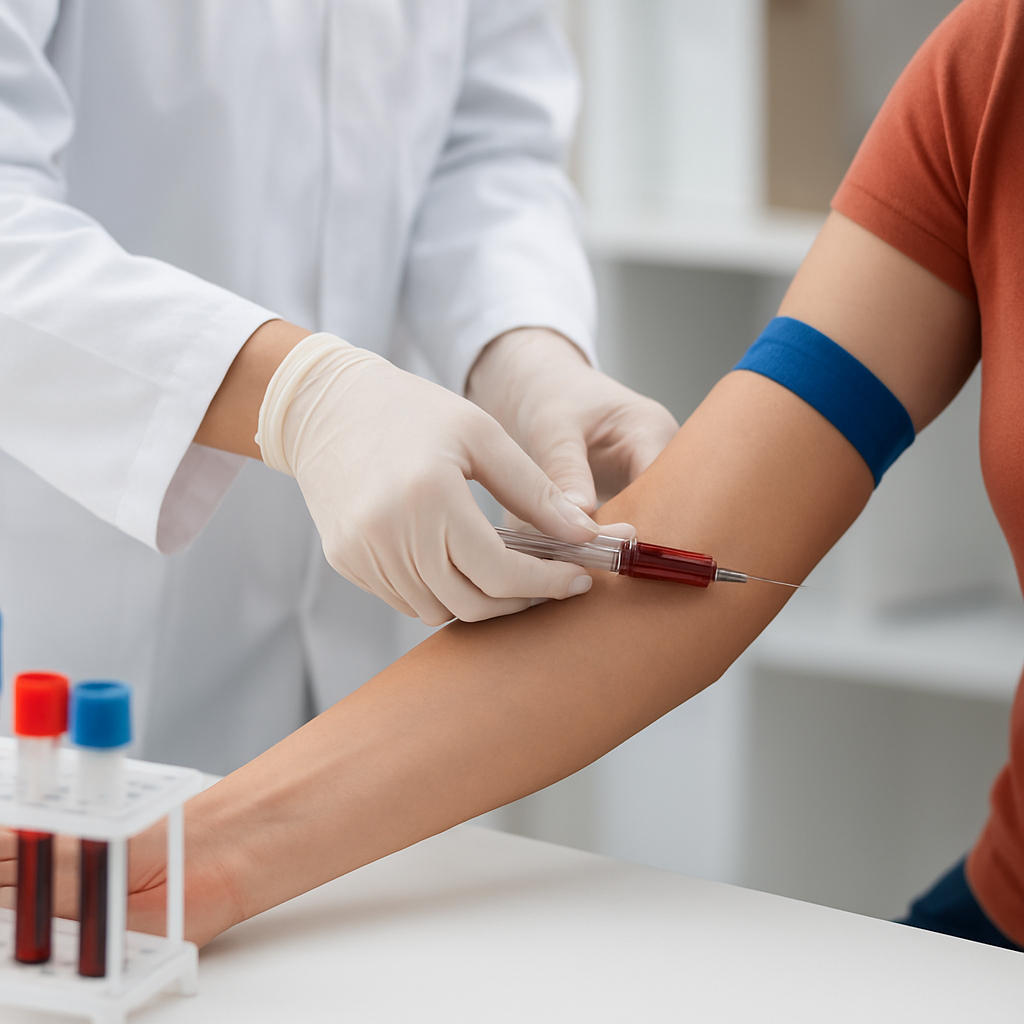
Hotel/home draws buy convenience but raise preanalytic risk. Ask whether the clinic centrifuges samples before couriering, what tube types they use, and whether the lab accepts samples collected off-site for STAT processing. If you must use mobile phlebotomy, schedule the draw early and request a time-stamped photo of the labelled tubes—this reduces disputes about handling and hemolysis later.
Quick pre-booking checklist
- Confirm acceptance criteria: Which report format does your airline/embassy/insurer require (signed stamp, test code, English)?
- Get written turnaround: Ask the provider to confirm delivery time and total all-in price in chat or email
- ID and billing: Tell them which name should appear on the invoice (passport name for tourists)
- Handling notes: If fasting or special tubes are required, record that and the recommended draw time
Documentation and back-up matter more than most travellers assume. Save the PDF with a clear filename (for example: PassportSurnameTESTDATElab.pdf), keep a screenshot of the courier tracking, and upload the file to cloud storage before you leave the clinic. Many rejections happen because the report lacks the lab registration number or the file is unreadable on arrival.
Privacy and sensitive tests require a different workflow. For infectious disease panels or tests with counselling implications (HIV, hepatitis), ask for private counselling at booking and prefer an in-clinic draw. Some clinics will give same-day confidential rapid screening but route confirmatory assays to a hospital lab; confirm how results and counselling will be delivered.
Payment and claims: get the invoice details up front. If you plan to claim costs, insist the receipt includes the laboratory name, registration or tax ID and itemised test codes. Paying by traceable method makes reimbursement simpler—keep a copy of the card slip or bank transfer.
Trade-off to accept: prioritise the document that will be checked. If an embassy or insurer will reject an unsigned or uncertified report, convenience is secondary. Conversely, if you only need rapid clinical information, a point-of-care test or clinic draw saves time and money but offers less formal paperwork.
Concrete example: An expat scheduled a job medical that required a stamped liver panel within 48 hours. Instead of a hotel draw, they went to a clinic first thing, requested hospital-routing for the assays and paid the STAT fee. The clinic emailed a signed English report with the lab registration number the same afternoon—accepted by the employer without repeat testing.
If you must choose between speed and official acceptance, pick the report format the receiving authority requires; a fast but unacceptable report usually means a repeat test.