
Clinically reviewed by Dr. Ponlawat Pitsuwan, Physician, Takecare Clinic Phuket.
Last reviewed: November 2026
Cat scratches and bites in Phuket can cause serious bacterial infection or raise a rabies risk question that needs same-day assessment. Wash the wound with soap and water immediately for at least 15 minutes. Then get a clinical review, especially if the cat was a stray or a resort cat with no known vaccination history. Do not wait to see if symptoms develop.
You are sitting at a beach café in Rawai, feeding one of the resident cats, and it turns. A quick scratch across the hand, a little blood. It did not feel like much. But now you are Googling "cat scratch rabies" at midnight and wondering how worried you should actually be.
The short answer: most cat scratches in Phuket cause a bacterial infection, not rabies. But the rabies question depends on the cat, the wound depth, and whether anyone can watch that animal for the next 10 days. In most tourist situations, no one can. That is why a same-day clinical assessment matters more here than it might at home.

Why Cat Bites in Phuket Get Infected
Cat teeth are narrow and sharp. When they puncture skin, they carry bacteria deep into tissue and the wound closes over the top. This is why cat bites get infected at a higher rate than dog bites. The bacteria do not stay near the surface.
The main organism is Pasteurella multocida, found in most cats’ mouths. It causes a painful, swollen infection that can develop within hours. A bite near a hand joint can track into the tendon sheath, the tight tissue tunnel tendons run through, which does not respond to oral antibiotics alone.
Scratches are generally lower risk than bites because claws introduce bacteria into more superficial tissue. But a deep claw scratch from a stray near a knuckle or joint should be assessed with the same care as a bite. Phuket’s heat and humidity mean redness, warmth, and swelling can appear faster than a visitor from a cooler climate would expect. What looks minor at breakfast can look concerning by dinner.
Cat scratch disease is a separate condition caused by Bartonella henselae, a bacterium carried on cat fleas. It usually causes a swollen lymph node near the scratch site rather than local wound infection, and it develops more slowly over several weeks. It is managed differently from a Pasteurella bite infection.
Stray vs Pet Cat: Does It Change the Rabies Risk?
For infection risk, the distinction matters less. All cats carry Pasteurella. Wound care and antibiotic decisions are the same regardless of the cat’s background.
For rabies, it matters a great deal. A known, vaccinated pet cat with documented vaccine records is very low risk. A hotel beach cat, a soi cat near Nai Harn, or a temple cat in Chalong are a different category entirely. These cats may appear healthy and friendly, but their vaccination status is usually unknown.
WHO guidelines assess a cat with unknown vaccination status based on the exposure category and local rabies status, not assumed safe. Phuket has made real progress through animal vaccination programs, but the official position remains that the risk is low, not zero. That distinction matters when deciding whether to start rabies post-exposure prophylaxis (PEP), the course of injections given after a potential exposure.
Cat Scratch Rabies Risk: What the Exposure Category Means
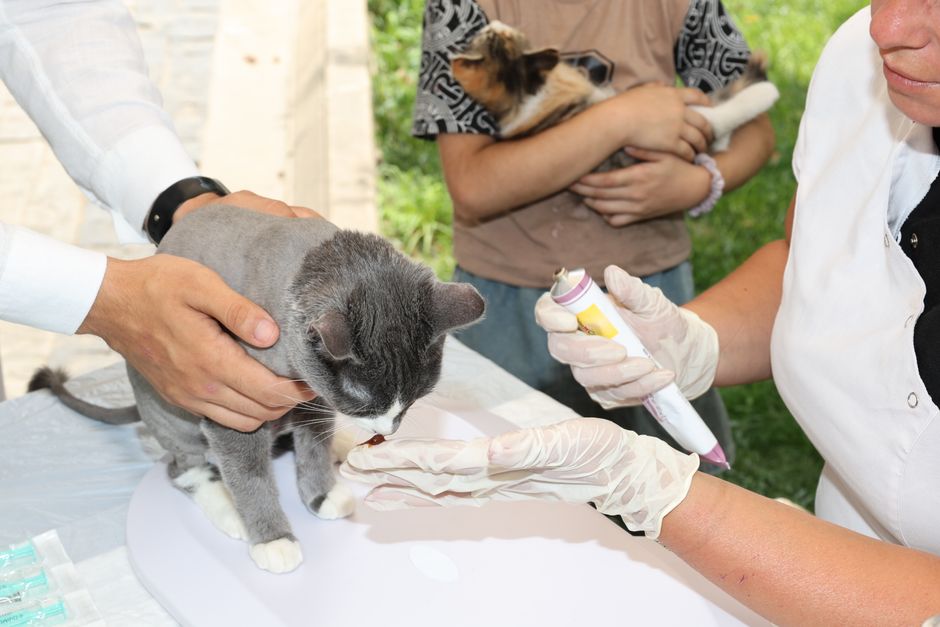
Rabies transmission from a scratch is lower than from a bite, but it is not zero. A scratch can transmit the virus if infected saliva on the cat’s claws contacts broken skin. This is a WHO Category II exposure. A bite that breaks the skin and bleeds, or a scratch that draws blood, is Category III and carries a higher risk profile.
The 10-day observation rule is useful when the cat is accessible. Under WHO guidelines, a healthy cat that shows no signs of illness for 10 days after the incident was not infectious at the time of contact. The problem in Phuket is that most tourist encounters involve cats you will never see again. That cat near your Kata hotel pool is not being watched by anyone. When observation is not possible, the clinician assesses wound category and decides on PEP from the available information.
PEP works. When started before symptoms appear, it is effective. Waiting to see if symptoms develop is not a viable strategy. By the time rabies symptoms appear, the disease is established and there is no treatment. Coming in the same day is the right call. For Category III exposures, rabies immunoglobulin (RIG) is given alongside the first vaccine dose to provide immediate local protection while the vaccine course builds immunity. Your clinician will assess whether RIG applies to your situation.
First Aid Before You Reach a Clinic
Do this immediately, before anything else. Wash the wound with soap and water for at least 15 minutes. This is the single most effective rabies risk-reduction step available before you reach a doctor. It physically removes virus particles from the wound site. Running tap water and hand soap in a hotel bathroom is fine.
After washing, apply an antiseptic if you have one. Povidone-iodine, available at any 7-Eleven or pharmacy across Phuket, is suitable. Do not close the wound tightly with a plaster before getting it assessed. Then come in. The animal bite treatment service at Takecare Clinic Phuket is available for same-day walk-in assessment.
Antibiotics for Cat Bites and Scratches
Not every cat scratch needs antibiotics. A clean, superficial scratch that is washed promptly, is not near a joint, and is not from a visibly unwell animal can often be managed with wound care and monitoring alone. Your clinician will make that call.
Cat bites almost always warrant prophylactic antibiotics, meaning antibiotics given before infection establishes. First-line treatment is amoxicillin-clavulanate, which covers Pasteurella multocida and other oral bacteria. For patients with a penicillin allergy, doxycycline or a fluoroquinolone combined with metronidazole are used depending on the clinical picture.
Oral antibiotics are appropriate for most bite wounds. IV antibiotics are needed when there are signs of spreading infection, joint or tendon involvement, or when the patient is immunocompromised. At that point, a walk-in assessment may lead directly to a hospital referral.
Do not buy antibiotics over the counter at a pharmacy in Phuket without a wound assessment first. Antibiotics are widely available here without a prescription, but self-medicating risks the wrong drug, the wrong dose, and masking warning signs that need clinical attention.
Tetanus and Cat Scratches
This is the risk most visitors do not think about. Cat scratches and bites are puncture-type wounds, and puncture wounds carry a tetanus risk, particularly if the cat has been outdoors or near soil.
If your last tetanus booster was more than five years ago, or if you are unsure when you last had one, a booster is appropriate after a cat bite or significant scratch. Many long-stay expats in Phuket, and plenty of tourists, have let their boosters lapse without realising it. Your clinician will ask and advise accordingly.
Warning Signs That Need Same-Day Care
A cat bite on the hand that is swelling, reddening, or becoming more painful over the first 12 to 24 hours needs to be seen today. Infection can progress fast in Phuket’s heat.
Red streaking moving away from the wound is a sign that infection is spreading through the lymphatic channels. This is not something to watch and wait on. A fever alongside a wound infection suggests systemic spread. Both require urgent assessment.
Swelling or pain in a joint near the bite, particularly a knuckle, may indicate infection inside the joint space. That needs hospital-level care. Stiffness or reduced movement in a finger after a hand bite is a warning sign for tendon sheath infection. The same applies. If you are seeing any of these symptoms, the emergency doctor service at Takecare Clinic Phuket can direct you to the right level of care without delay.
For visitors staying further from Patong, the doctor on call service covers the whole island, including Rawai, Nai Harn, Kamala, and Bang Tao.
Scratched or bitten by a cat in Phuket? Walk in to Takecare Clinic Phuket in Patong with no appointment needed. We assess wound depth, start antibiotic treatment where needed, check your tetanus status, and advise on rabies PEP the same day. We see patients from across the island, from Rawai and Nai Harn to Kamala, Bang Tao, and Phuket Town. English-speaking physician care is available without delay.
Frequently Asked Questions
Dr. Ponlawat Pitsuwan
Physician, Takecare Medical Clinic Phuket
a walk-in medical clinic based in Patong with no appointment needed and English-speaking physician care for the whole island. He sees tourists, expats, and residents across Phuket for animal bites, wound care, rabies post-exposure assessment, and travel health concerns including vaccination. His focus is straightforward, evidence-based care delivered in plain language.
References
- World Health Organization. Rabies vaccines: WHO position paper. Weekly Epidemiological Record, 2018; 93(16):201-220.
- World Health Organization. WHO expert consultation on rabies: third report. WHO Technical Report Series No. 1012, 2018.
- Centers for Disease Control and Prevention. Rabies: Exposure and post-exposure prophylaxis. CDC, 2024.
- Abrahamian FM, Goldstein EJ. Microbiology of animal bite wound infections. Clinical Microbiology Reviews, 2011; 24(2):231-246.
- Westling K, Farra A, Cars B, et al. Cat bite wound infections: a prospective clinical and microbiological study at three emergency wards in Stockholm, Sweden. Journal of Infection, 2006; 53(6):403-407.
The information in this article is for educational purposes only and does not constitute medical advice. It should not be used to self-diagnose or replace a consultation with a qualified physician. If you have concerns about your health, contact a licensed medical professional. For appointments at Takecare Clinic Phuket, visit takecareclinicphuket.com.
