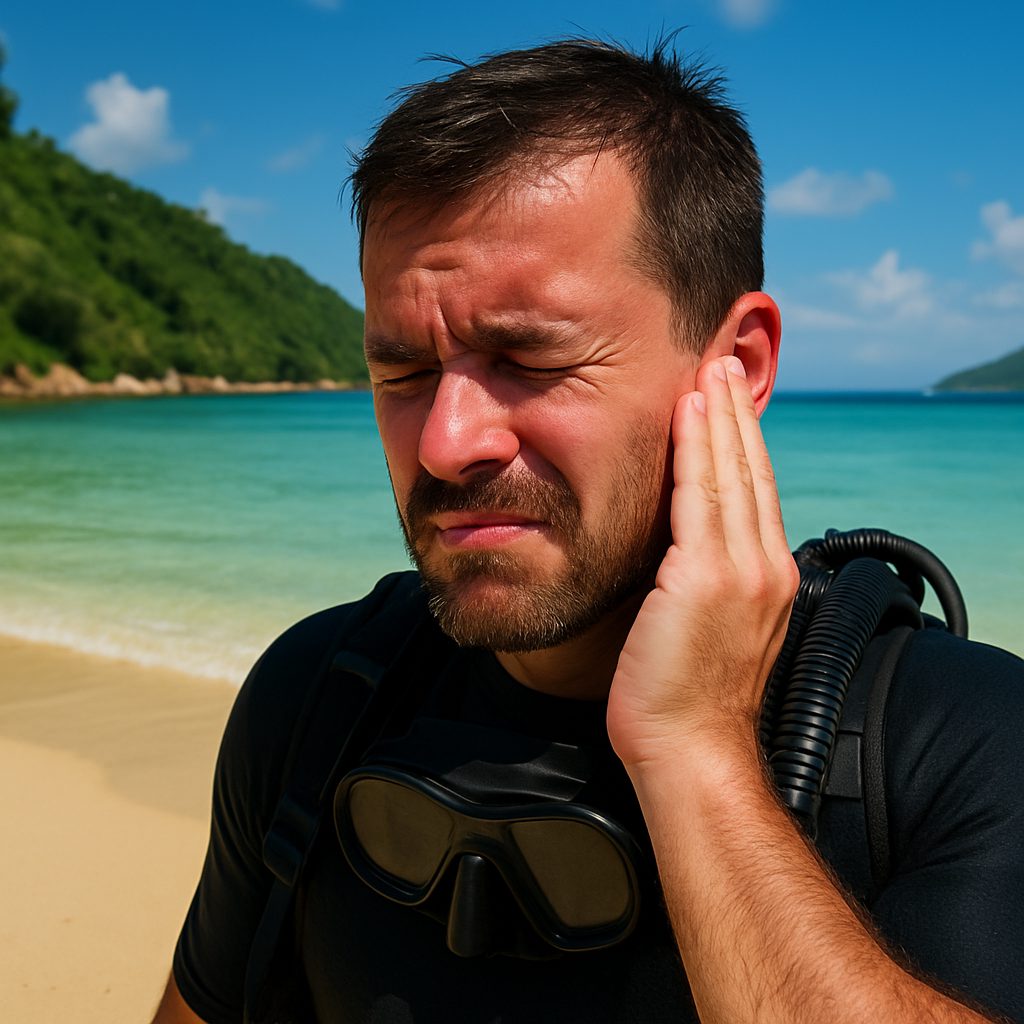
“I Ignored My Ear Pain for Three Days in Phuket” — How One Diver’s Untreated Ear Infection Escalated
A diver in Phuket experiences ear pain after a routine dive, and delaying care for three days turns a manageable infection into a mounting risk. This case illustrates how untreated ear infections can complicate pressure changes, jeopardize hearing, and threaten safety underwater, making timely ear infection treatment phuket essential. We'll outline what happened, what it means for divers and travelers, and how Takecare Clinic Phuket can provide urgent evaluation and evidence-based management.
1. Case profile: the diver and the turning point
Delay proved fatal for the turning point in this Phuket case. After a night dive near Phuket, Mateo Rivera woke with a sharp ear ache and a muffled tone in the left ear. He figured it would resolve with rest and over-the-counter pain relief and postponed a proper ear infection treatment Phuket. By the end of the first 72 hours, the pain intensified and a sense of fullness lingered, signaling that a routine earache was turning into something more dangerous for a diver.
Two missteps accelerated the escalation: treating it like a simple headache and relying on unverified ear drops from a local shop. Analgesics masked the pain but did not fix the underlying infection, and the drops could irritate the canal or delay accurate diagnosis. In divers, even mild symptoms deserve formal assessment before resuming any dives.
Concrete example: Within 36 hours, Mateo could not equalize his left ear during a shallow dive, and by day three he developed fever and a small discharge. The infection progressed to acute otitis media, and continuing to dive became unsafe, prompting urgent care in Phuket.
From a Phuket care perspective, timely evaluation changes the trajectory. At a clinic like Takecare Clinic Phuket Your Trusted Medical Clinic in Phuket for Comprehensive Healthcare – Takecare clinic, an ear infection workup typically includes an otoscopy, a basic hearing assessment, and, if needed, imaging to rule out complications. Local treatments commonly involve a course of targeted antibiotics and pain control, with safety considerations for divers in mind. Prompt care helps restore dive readiness and reduces the chance that a minor infection becomes a more serious problem. If you’re navigating ear pain while traveling, consider a walk-in option such as the Phuket clinic guide for quick access Walk-in Clinics in Phuket: When to Visit, Typical Wait Times and How to Get Treated Quickly – Takecare clinic.
Takeaway: the diver’s turning point shows that delaying care compounds risk. If you feel persistent ear pain after a dive in Phuket, seek evaluation promptly to protect your hearing and your diving plans.
2. How untreated ear infections escalate in the diving context
Untreated ear infections escalate quickly in divers because pressure changes amplify inflammation and fluid buildup. Otitis media and otitis externa disrupt the ear's ability to equalize, so each descent or ascent compounds pain and can push the infection deeper. Even when symptoms seem mild, the risk of tympanic membrane perforation increases with each dive, and sustained inflammation can progress to mastoiditis or inner-ear involvement if left unchecked.
Two practical realities drive escalation: travel context and diving demands. In Phuket, delaying care often means antibiotics might be started without a reliable exam, imaging, or ENT input, which can miss a perforation or a developing mastoid process. The consequence is longer downtime from diving, potential need for imaging, and higher chances of persistent hearing changes.
Consider a 35-year-old recreational diver who notes a dull ear ache after a 12-meter dive. By day two the pain intensifies and a routine ascent triggers brief vertigo and muffled hearing. A local examination reveals a bulging tympanic membrane consistent with acute otitis media, prompting antibiotic therapy and a clear plan to halt diving until follow-up confirms healing.
A practical trade-off surfaces quickly: pushing through an active ear infection to maintain a dive schedule may seem efficient but risks perforation, vertigo, and longer recovery. In Phuket, the smarter path is pausing dives and obtaining timely evaluation, then returning to diving only after symptom resolution and clinician clearance. That means adjusting dive plans, rebooking outings, and prioritizing a clear, documented readiness before resuming dives.
If you feel ear pain while traveling in Phuket, prioritize urgent ear evaluation at a local clinic and avoid diving until you’ve received medical clearance. Clear, early assessment protects both your hearing and your dive plans, and it can prevent a small problem from becoming a trip-disrupting complication.
3. Phuket care options and why timely evaluation matters
Phuket offers rapid access to ear infection treatment Phuket, but the advantage hinges on choosing a clinic that can triage, examine, and decide on diving safety without delay. Expect an in-person evaluation the same day, including a focused otoscopic exam and a basic hearing assessment; more advanced imaging is available if red flags appear, though it may require a referral. For travelers seeking reliability, Takecare Clinic Phuket provides a straightforward option for urgent evaluation and follow-up; see Your Trusted Medical Clinic in Phuket for Comprehensive Healthcare – Takecare clinic.
- Otoscopy and hearing assessment to visualize the eardrum, middle ear status, and detect fluid or perforation.
- Audiometry when available to quantify any hearing change that could affect diving decisions.
- Possible tympanometry or imaging if suspicion of complications such as mastoid involvement or rare structural issues.
- Antibiotic and pain management plan tailored to local guidelines and your allergy history.
- Diving guidance and clearance considerations to ensure safe return to diving after infection.
Locally, ear infection treatments in Phuket typically involve a course of antibiotics aligned with Thai guidelines, often paired with topical ear drops and analgesics for pain. For divers, clinicians weigh the need for antibiotics against potential side effects that could complicate a dive, and they provide explicit guidance on when diving can resume. Follow-up is commonly arranged to confirm symptom resolution and restoration of baseline hearing before re-entering the water.
Concrete example: A 34-year-old diver arrives at a Phuket clinic with persistent earache after a shallow dive. Otoscopy shows fluid in the middle ear without perforation; she is started on amoxicillin-clavulanate and receives medicated ear drops, plus instructions to abstain from diving for 48–72 hours. A follow-up visit is arranged to confirm symptom resolution before a return to the water.
Tradeoffs and practical limits matter. In Phuket, you can get rapid evaluation at walk-in clinics, but imaging capacity and audiometry may be limited compared with a full hospital ENT department. That means an initial diagnosis may be conservative, and you may face referrals if symptoms worsen or if diving safety needs deeper assessment. The other path is delaying care to seek a specialized center, which risks progression.
Takeaway: If you suspect an ear infection while in Phuket, prioritize an in-person evaluation for ear infection treatment Phuket to protect your hearing and diving safety.
4. Practical guidance for divers and travelers
In Phuket, practical guidance for divers and travelers starts with a simple frame: treat ear pain as a signal, not a nuisance. Ear infections alter how the ear responds to pressure, which matters during descent and ascent. The aim here is to give you a clear, actionable path to timely evaluation, effective treatment, and safer diving—without hype or alarm.
- Red flags that require urgent care: severe ear pain, fever, swelling around the ear or within the canal, persistent discharge, new or worsening hearing loss, or dizziness that accompanies the pain.
- Diving after infection: plan for dive clearance even if symptoms improve; pressure changes can trigger a late flare or perforation. If antibiotics are prescribed, understand any restrictions on diving and ensure you have written clearance before your next dive.
- Communicating with a Phuket clinician: bring your dive history (depths, times, ascent rate), onset date, and current symptoms; note any prior ear conditions or surgeries. If you’ve been on antibiotics, share the name and duration to guide safe continuation or adjustments.
- Pre-dive ear care and travel considerations: keep ears dry, avoid inserting objects, and manage nasal congestion before diving with saline rinses or guidance from a clinician. See resources on local care options and timing before you plan further dives Walk-in Clinics in Phuket: When to Visit, Typical Wait Times and How to Get Treated Quickly – Takecare clinic.
- Documentation and follow-up: request a written clearance if your dive operator requires it, and schedule a follow-up to confirm healing and safe dive readiness before returning to deeper or more frequent dives.
Concrete example: Lina Chen, a recreational diver on a Phuket weekend, felt a sharp ear pain after a shallow dive and pressed on for 72 hours. When she finally sought care, a local clinic diagnosed an acute otitis media with a small perforation. She started antibiotics and received ear drops, with explicit instructions to abstain from diving for 72 hours and to return for a follow-up to ensure healing.
A practical reality for divers is that not all ear infections are the same, and timing changes the risk profile. Delays can convert a manageable otitis media into a condition that delays your next dive or requires a longer recovery. In Phuket, urgent care pathways exist, but you must act on warning signs rather than hope symptoms improve on their own. Treating the infection promptly and obtaining clear guidance on dive readiness minimizes downtime and reduces the chance of a repeat issue on your next trip.
5. Prevention and aftercare for future dives
Prevention is your first dive safety tool when you're in Phuket. Build ear health into the trip plan, not as an afterthought: recognize congestion, avoid diving with active ear pain, and have a plan for prompt care. A practical routine starts with a quick symptom check before each dive and a clear path to care if anything signals an infection. When you delay treatment, the risk of perforation or prolonged buoyancy disruption increases, and your dive schedule suffers. If symptoms persist, consider ear infection treatment Phuket options.
Pre-dive ear care steps include drying ears after water exposure, avoiding insertion of objects, and using saline nasal spray to reduce Eustachian tube blockage. Manage nasal congestion with guidance from a clinician before diving and only use decongestants if advised. Also ensure you know where to get rapid assessment in Phuket so you can pause diving if symptoms return. This approach reduces the likelihood of barotrauma and makes post-treatment resumption faster. It aligns with Mayo Clinic guidance on prompt evaluation and standard antibiotic therapy.
- Pre-dive ear health checklist: check for pain, fullness, or discharge before every dive.
- Nasal congestion management: use saline sprays or steam inhalation when appropriate to support safe equalization.
- Diving technique: avoid forceful Valsalva and use gentler methods like swallowing or jaw movement to equalize.
- Care access: know local clinics in Phuket for ear infection treatment Phuket and how to reach urgent care if symptoms worsen.
- Post-treatment plan: wait for clinician clearance and schedule a follow-up audiometry if symptoms persist.
Concrete example: A diver in Phuket skipped a scheduled clinic visit after mild ear fullness, hoping it would clear. Within two days, the pain intensified and a discharge appeared; he sought urgent care at a local clinic, started antibiotics, and paused diving for four days. The clinician confirmed healing and provided a dive clearance plan before returning to shallow, conservative dives.
Aftercare matters: even after symptoms subside, arrange follow-up with an ear, nose and throat clinician if there was significant infection or any hearing change. Consider audiometry to confirm normal function and discuss long-term strategies for chronic ear issues, including ear treatment options Phuket or hearing loss solutions Phuket, if symptoms reoccur. See Takecare Clinic Phuket for travel-friendly ENT access and rapid assessment.
Takeaway: ensure a pre-dive ear health check and a fast path to care in Phuket before your next dive.
6. What Takecare Clinic Phuket offers to travelers and divers
Takecare Clinic Phuket runs a walk-in ear care service tailored for travelers and divers. With a multilingual staff and a streamlined triage process, you can be seen quickly without a prior appointment. This setup matters when time on-site is limited and you need clear guidance on safety and treatment options—without getting locked into a complex referral. For context on access, see the Walk-in Clinics in Phuket guide.
During a visit, you’ll typically undergo an on-arrival triage, a focused ear examination, and, if needed, quick audiometry and tympanometry. If the clinician suspects complications, imaging or a specialist referral is arranged. Treatments are chosen with diving safety in mind, often including ear drops and, when indicated, short courses of antibiotics and analgesia. See the clinic’s broader care offerings at the comprehensive Phuket medical page.
Takecare Clinic Phuket coordinates with local hospitals and ENT specialists for escalation if needed. This reduces the risk of delays that derail a diver’s schedule and ensures you’re not navigating Phuket’s medical network alone. Quick transfer arrangements or direct referrals are standard when imaging or more intensive care is required.
Travel health guidance is a core part of the service. Clinicians tailor advice to your dive history, discuss pre-dive checks and safe wait periods before resuming dives after an ear infection or while on antibiotics, and clearly document the encounter for follow-up. For divers, this means you leave with a clear plan for when it’s safe to return to the water and what signs require re-evaluation.
- Urgent, same-day evaluations for ear infections with rapid triage and access to an ENT clinician.
- Audiometry and tympanometry on-site to assess hearing and middle-ear status, informing dive decisions.
- Therapy choices that consider diving safety—ear drops, antibiotics when indicated, and analgesia with explicit dive-related caveats; escalation to hospital if complications arise.
- Diving and travel planning support—pre-dive clearance discussions and clear warnings to watch for during and after treatment.
End-to-end, the clinic positions ear infection treatment Phuket as a practical, safety-minded option for divers who need reliable evaluation, immediate symptom relief, and guidance on when it’s safe to dive again. Next: plan ear-health checks as part of your Phuket dive prep and know where to seek urgent care if symptoms arise.