Clinically reviewed by Dr. Ponlawat Pitsuwan, Physician, Takecare Clinic Phuket.
Last reviewed: November 2026
GLP-1 receptor agonists like semaglutide and liraglutide are being studied for their potential to slow cognitive decline and reduce Alzheimer’s risk. Early trial results are mixed: liraglutide showed a modest signal in a Phase 2b trial, while a larger Phase 3 semaglutide trial did not show significant slowing of cognitive decline on its primary outcome. These drugs are not approved for Alzheimer’s disease or brain health anywhere in the world. If you are already on GLP-1 therapy for diabetes or weight management and want to understand what this research means for your treatment, that is a conversation worth having with a doctor.
A common question for long-stay patients in Phuket is what recent headlines about GLP-1 drugs and brain health mean for their treatment. Someone managing type 2 diabetes or weight on semaglutide may wonder whether their dose should change, whether they should stay on it longer, or whether a clinic here understands the question. The short answer: yes, we understand it, and the headline is almost certainly ahead of what the trials actually show.
The research connecting GLP-1 drugs to brain health is real and genuinely interesting. But the gap between "promising early signal" and "proven treatment" is wide. This piece covers what the evidence supports right now, where the limits are, and what it means practically for anyone managing GLP-1 therapy while living in or visiting Phuket.
The Brain-Insulin Connection Behind the Research
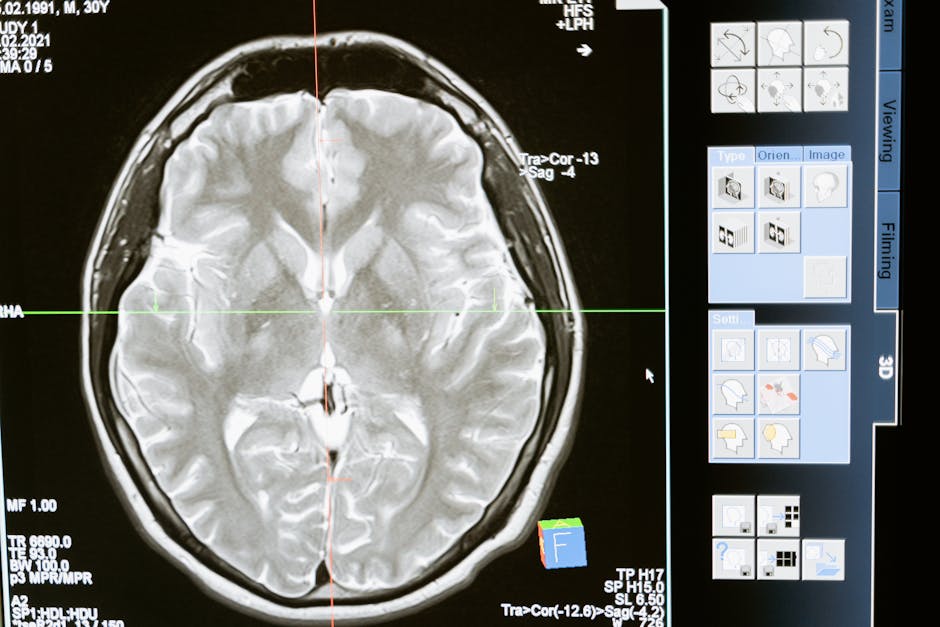
Alzheimer’s disease and insulin resistance share more common ground than most people expect. The brain depends on insulin to function normally. When brain cells stop responding to insulin well, it appears to contribute to the build-up of amyloid plaques and tau tangles, the two hallmark changes seen in Alzheimer’s. Some researchers describe this overlap informally as brain-specific insulin resistance, distinct from blood sugar problems elsewhere in the body.
GLP-1 receptors are present in several brain regions. Animal studies have shown reductions in these Alzheimer’s-associated changes when GLP-1 drugs are given. Cardiometabolic risk factors, including obesity, high blood pressure, and poor glucose control, are also independently linked to higher Alzheimer’s risk. Drugs that address those factors may have downstream brain benefits, even if that effect is indirect. This is why the research is happening. It does not mean the benefit is proven.
What the Trials Actually Show on GLP-1 and Alzheimer’s Brain Health
Two trials sit at the centre of this question, and reading them together matters.
The ELAD trial tested liraglutide in 204 people with mild-to-moderate Alzheimer’s disease over 52 weeks. The trial did not meet its primary endpoint: liraglutide did not significantly change brain glucose metabolism compared to placebo. Some secondary measures showed a signal, including a difference in one executive function score and a reduction in brain volume loss in certain regions, but these were exploratory findings. Phase 2b evidence from secondary outcomes is not enough to change prescribing practice.
The EVOKE and EVOKE+ trials were larger: together enrolling over 1,800 participants with early Alzheimer’s, testing oral semaglutide over 104 weeks. Topline results announced in late 2025 and presented at CTAD in December 2025 showed no significant difference between semaglutide and placebo on the primary outcome of cognitive decline (CDR-SB score). The trials did not meet their main goals.
Together, both trials failed to meet their primary endpoints, suggesting the field is biologically credible but not yet practice-changing. Anyone telling you GLP-1 drugs are proven to prevent or treat Alzheimer’s is ahead of the evidence.

Who the Evidence Applies To
This distinction matters, and most coverage skips it.
The strongest observational evidence for GLP-1 drugs reducing dementia risk comes from studies of people with type 2 diabetes. One large observational study found a lower dementia rate in diabetic patients on GLP-1 therapy compared to those on other glucose-lowering medications. That association makes biological sense: if the benefit works partly through improving insulin sensitivity, people who already have impaired insulin signalling may have more to gain.
For people who are metabolically healthy, or whose Alzheimer’s risk is driven by genetics rather than insulin resistance, the picture is much less clear. The trials have not consistently shown benefit in that group. If you have type 2 diabetes or significant insulin resistance and you are already on GLP-1 therapy, the brain health research adds a plausible secondary benefit to a drug you are taking for sound reasons anyway. If you have no metabolic indication and you are thinking about starting GLP-1 therapy purely for cognitive protection, the evidence does not support that yet.
How GLP-1 Drugs May Affect the Brain
Some GLP-1 receptor expression exists in brain regions involved in memory and learning. Preclinical studies suggest these drugs may cross the blood-brain barrier in limited amounts, reduce chronic brain inflammation, and support the brain’s ability to maintain connections. These are all theoretically relevant to Alzheimer’s.
The counterargument is that receptor density in the relevant brain areas may be too low for direct drug action to explain the observed signals. Many researchers now think the benefits, where they exist, are more likely indirect: reduced systemic inflammation, lower cardiovascular risk, better glucose control, and weight loss together creating a more protective environment for the brain. That still matters clinically. It just means GLP-1 drugs are not acting as a targeted Alzheimer’s therapy.
GLP-1 Therapy Is Not an Approved Alzheimer’s Treatment
Not anywhere, as of late 2026. GLP-1 receptor agonists are approved for type 2 diabetes and, depending on the specific drug and country, for chronic weight management. Any use for cognitive decline, Alzheimer’s prevention, or neuroprotection is off-label, meaning outside approved indications and not supported by current prescribing guidelines.
That does not make the research unimportant. It means a doctor cannot prescribe a GLP-1 drug with brain protection as the stated reason. If you have an approved indication and you are curious about the emerging brain health data, raise it at your next review. It is not a reason to start treatment you would not otherwise need, or to stay on therapy longer than clinically appropriate.
Managing Your GLP-1 Therapy While in Phuket
Long-stay expats and extended-trip visitors managing GLP-1 therapy in Phuket face a practical issue no research summary addresses: what happens when your prescription runs out here?
Thailand classifies GLP-1 injectable medications as prescription-only. You cannot buy semaglutide or liraglutide over a pharmacy counter. You need a physician consultation first. Takecare Clinic Phuket handles prescription refill reviews for patients already on established GLP-1 therapy, including assessment of your current dosing and any monitoring you may be overdue for. Bring your original prescription, the medication name in both brand and generic form, and any recent blood work if you have it. You can use the clinic’s prescription refill service or walk in to Patong with no appointment needed.
Storage matters more in Phuket than it did at home. GLP-1 injectable pens require refrigeration between 2 and 8 degrees Celsius before first use and should not be exposed to temperatures above 30 degrees Celsius or direct sunlight. A beach bag without an ice pack, or a hotel room without a reliable mini-fridge, is a real risk in Phuket’s heat. Patients on long stays between Rawai, Bang Tao, and Chalong should plan storage before arrival.
Monitoring does not stop because you are travelling. Blood glucose, kidney function, and weight are standard checkpoints for patients on GLP-1 therapy. If you are overdue for blood work, walk-in blood tests in Phuket are available at Takecare Clinic Phuket without pre-booking. For patients managing related metabolic conditions such as gout alongside GLP-1 therapy, a combined review is straightforward to arrange.
Already on GLP-1 therapy and spending time in Phuket? Takecare Clinic Phuket can review your prescription, arrange any monitoring blood tests you may be overdue for, and help you continue your treatment without interruption. Walk in to our clinic in Patong, no appointment needed, or contact us to arrange a consultation. We see patients from across the island, including Chalong, Bang Tao, Rawai, Kata, and Phuket Town. Our English-speaking doctors are available seven days a week.
Frequently Asked Questions
Dr. Ponlawat Pitsuwan
Physician, Takecare Medical Clinic Phuket
a walk-in medical clinic in Patong with no appointment needed and English-speaking physician care across the island. He sees tourists, expats, and residents for chronic disease management, prescription refills, metabolic health monitoring, and general medicine, including patients managing GLP-1 therapy while living in or visiting Phuket.
References
- Femminella GD, et al. Liraglutide in mild-to-moderate Alzheimer’s disease: a phase 2b clinical trial. Nature Medicine, 2025.
- Alzheimer Europe. Results of EVOKE and EVOKE+ trials show no effect of oral semaglutide on AD progression. 2025.
- World Health Organization. Dementia: Key Facts. WHO. 2023.
- Biessels GJ, Despa F. Cognitive Decline and Dementia in Diabetes Mellitus: Mechanisms and Clinical Implications. Nature Reviews Endocrinology. 2018.
The information in this article is for educational purposes only and does not constitute medical advice. It should not be used to self-diagnose or replace a consultation with a qualified physician. If you have concerns about your health, contact a licensed medical professional. For appointments at Takecare Clinic Phuket, visit takecareclinicphuket.com.