

Clinically reviewed by Dr. Ponlawat Pitsuwan, Physician, Takecare Clinic Phuket.
Last reviewed: October 2026
GLP-1 receptor agonists like semaglutide and tirzepatide help men lose weight by reducing appetite and slowing digestion. Clinical trial data shows meaningful weight reduction for most men, and early research suggests testosterone levels may rise alongside fat loss. However, muscle loss is a real risk, the testosterone evidence is still evolving, and men with certain medical histories should not use these medications without careful physician assessment first.
A man I see regularly in Chalong has been carrying extra weight since his fifties. Not diabetic, not severely obese, just heavy around the middle with borderline blood sugar and energy that has been sliding for years. His GP back home mentioned GLP-1 drugs. He wants to know whether they actually work for men like him, what happens to testosterone, and whether he can get started here without flying home first.
That question comes in different forms depending on who is sitting across from me. The long-stay expat in Bang Tao who has been on the fence for months. The tourist from northern Europe who finally wants to act. The answer is the same: yes, these medications can work well for men, but the picture is more complicated than the headlines suggest, and a few things specific to male physiology are worth understanding before you begin.
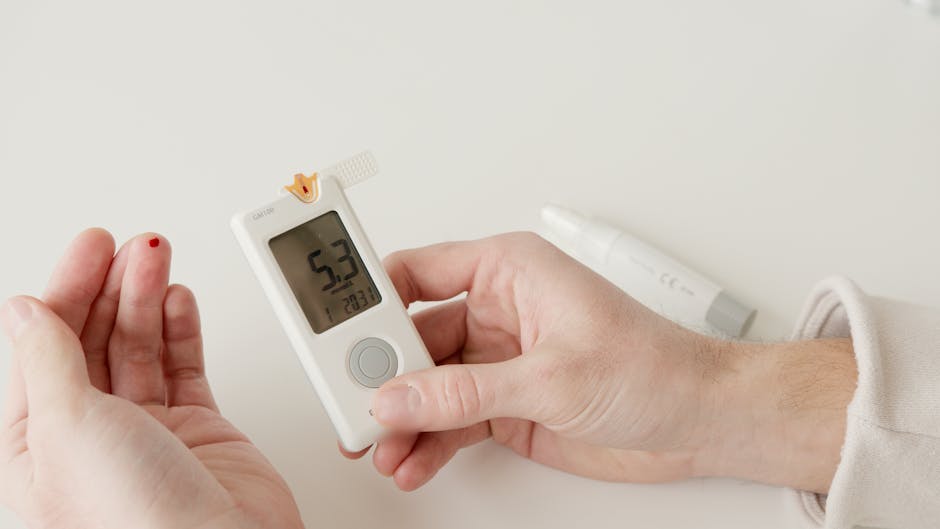
What GLP-1 Medications Actually Do
GLP-1, short for glucagon-like peptide-1, is a hormone your gut releases after you eat. It tells your brain you are full, slows how quickly your stomach empties, and helps your pancreas manage blood sugar. GLP-1 receptor agonists are drugs that mimic this signal, keeping it active longer than your body would naturally.
The main medications in this class are semaglutide (sold as Ozempic for type 2 diabetes and Wegovy for weight management), liraglutide, and tirzepatide, which acts on both GLP-1 and GIP receptors. All three require a physician prescription in Thailand under Thai FDA regulations. None are available over the counter.
Weight Loss Results for Men: What the Clinical Evidence Shows
Men in the major trials lost meaningful amounts of weight. In the STEP 1 trial of semaglutide, participants lost an average of around 15% of body weight over 68 weeks. Tirzepatide trials showed even larger reductions in some cohorts. These are averages, and individual results vary depending on starting weight, diet, activity, and whether the full therapeutic dose is reached.
For men with obesity and type 2 diabetes, results tend to be slightly more modest than in men without diabetes. The cardiometabolic benefits, including reduced visceral fat, improved blood pressure, and better insulin sensitivity, are well-documented and meaningful in their own right. Weight loss alone does not capture the full picture.

Does GLP-1 Raise Testosterone in Men?
The evidence here requires careful reading. A study presented at ENDO 2025 found that a meaningful proportion of men with obesity-related low testosterone saw their levels normalise after GLP-1 treatment. That is a notable finding.
A separate analysis presented at ENDO 2025 found no significant testosterone change in men on semaglutide. The ENDO 2025 researchers also did not measure testosterone after patients stopped the drug. The lead researcher noted explicitly that if weight returns after stopping, testosterone may return to baseline.
The likely explanation: excess body fat, particularly visceral fat around the abdomen, drives hormonal changes that suppress testosterone. Lose the fat, and the suppression often eases. Whether GLP-1 drugs raise testosterone beyond what the weight loss alone would explain is still an open question. If you have symptoms of low testosterone alongside excess weight, a blood test for testosterone and metabolic markers is the right first step.
Muscle Loss: The Male-Specific Risk You Need to Know
This is the part that concerns me most in male patients. Meta-analysis data suggests that a significant portion of weight lost on GLP-1 medications can be lean body mass rather than fat. For men, who rely more heavily on muscle mass for testosterone production and metabolic health, this matters more than many people realise.
Sarcopenia, the gradual loss of muscle mass, is already a risk in middle-aged and older men. A powerful appetite suppressant without attention to protein and resistance training accelerates that risk. A randomised trial combining a GLP-1 medication with regular exercise showed better preservation of lean mass compared to the medication alone.
Aim for at least 1.2 to 1.6 grams of protein per kilogram of body weight daily, with some guidelines suggesting higher targets during active weight loss. Include progressive resistance training at least twice a week. These are not optional extras. They are part of the treatment. Your physician should be tracking body composition throughout, not just your weight on a scale.
GLP-1 and Men’s Sexual Health
Emerging data on erectile dysfunction is cautiously encouraging. Weight loss and reduced vascular inflammation from GLP-1 therapy may improve erectile function in some men, though the evidence is still preliminary. In the early weeks of treatment, nausea and fatigue can temporarily reduce libido. These side effects usually ease as your dose stabilises, and a slower titration schedule often helps.
Sperm quality data is inconclusive. If fertility is a concern, raise it specifically when you speak to a physician, because it changes how your options are weighted.
Side Effects Men Experience Most, and How Physicians Manage Them
Nausea is the most common side effect, particularly after a dose increase. It is manageable in most men with a careful titration schedule. Vomiting, constipation, and diarrhoea are also common early on. Gallbladder problems, including gallstones, are a recognised risk with significant weight loss generally and with this medication class specifically.
Seek medical review promptly for severe abdominal pain radiating to your back, any new neck lump or difficulty swallowing, or signs of a severe allergic reaction. A personal or family history of medullary thyroid carcinoma or multiple endocrine neoplasia type 2 are contraindications to this medication class.
Who Is a Good Candidate, and Who Should Think Carefully
Most guidelines support GLP-1 use for men with a body mass index above 30, or above 27 with a weight-related condition like type 2 diabetes, hypertension, or cardiovascular disease. Men already on testosterone replacement therapy can use GLP-1 medications, but that combination requires careful physician oversight.
Men with a history of pancreatitis, the thyroid contraindications above, or severe kidney or liver disease should not start without specialist input. If both low testosterone and excess weight are present, endocrinologists generally recommend addressing the weight first, because testosterone often improves with fat loss alone. How symptomatic you are affects that decision, which is why it needs clinical context rather than a fixed rule.
Starting GLP-1 Treatment in Phuket: What to Expect
GLP-1 injectables require a valid prescription under Thai FDA rules. You cannot buy them at a pharmacy without one, and the assessment before starting matters. A physician needs to review your medical history, check for contraindications, order baseline blood work, and establish an appropriate starting dose.
At Takecare Clinic Phuket, no appointment is needed. Walk in and you can see a physician the same day. We can run a full blood panel, including testosterone and metabolic markers, before you leave. If you are already on GLP-1 therapy at home and need a prescription refill or dose review while in Phuket, that is a straightforward consultation. An English-speaking doctor is available whether you are in Rawai, Kamala, Laguna, or anywhere else on the island. If you cannot easily get to Patong, our doctor-on-call service covers the whole island, from Nai Harn to Cherng Talay. You can also use our telemedicine service to discuss your history before you arrive.
Ready to start or continue GLP-1 treatment in Phuket? Takecare Clinic Phuket offers same-day physician assessments with no appointment needed. We run blood work including testosterone and metabolic markers on the day. Our doctor-on-call service is available across the whole island for men who cannot travel to the clinic. Walk in at 34/14 Prachanukhro Rd, Patong, or contact us to arrange a hotel or villa visit anywhere from Rawai to Kamala.
Frequently Asked Questions
Dr. Ponlawat Pitsuwan
Physician, Takecare Medical Clinic Phuket
a walk-in medical clinic based in Patong with no appointment needed and English-speaking physician care across the island. He sees tourists, expats, and residents for weight management assessment, GLP-1 treatment initiation and monitoring, testosterone evaluation, and metabolic health. His focus is straightforward, evidence-based care in plain language.
References
- Wilding JPH, et al. Once-Weekly Semaglutide in Adults with Overweight or Obesity. New England Journal of Medicine, 2021.
- Frias JP, et al. Tirzepatide versus Semaglutide Once Weekly in Patients with Type 2 Diabetes. New England Journal of Medicine, 2021.
- Endocrine Society. Anti-Obesity Medications Can Normalize Testosterone Levels in Men. Endocrine News, 2025.
- Lundgren JR, et al. Healthy Weight Loss Maintenance with Exercise, Liraglutide, or Both Combined. New England Journal of Medicine, 2021.
- Wilding JPH. GLP-1 receptor agonists and body composition: what do we know? Diabetes, Obesity and Metabolism, 2022. (STEP 1 DXA substudy summary)
- World Health Organization. Obesity and Overweight Fact Sheet. WHO, 2024.
The information in this article is for educational purposes only and does not constitute medical advice. It should not be used to self-diagnose or replace a consultation with a qualified physician. If you have concerns about your health, contact a licensed medical professional. For appointments at Takecare Clinic Phuket, visit takecareclinicphuket.com.
