Table of Contents
PEP, or post-exposure prophylaxis, is a vital tool for preventing HIV infection after someone may have been exposed to the virus. This treatment involves taking specific HIV medications for a short period, and it can significantly reduce the risk of infection if started promptly. In this article, we’ll break down how PEP works, its effectiveness, and what you need to know if you think you might need it.
Key Takeaways
- PEP is a treatment for preventing HIV after potential exposure.
- It consists of a 28-day course of HIV medications taken daily.
- Starting PEP within 72 hours of exposure is crucial for effectiveness.
- Adherence to the treatment plan is essential to reduce the risk of infection.
- PEP is not a substitute for other preventive methods like PrEP or condoms.
Understanding PEP and Its Purpose

What Is PEP?
So, what exactly is PEP? Well, it stands for Post-Exposure Prophylaxis. It’s basically a course of HIV medication you take after you’ve potentially been exposed to the virus. Think of it as an emergency measure, not a long-term solution. It’s different from PrEP (Pre-Exposure Prophylaxis), which you take before any potential exposure. PEP usually involves taking a combination of three HIV drugs for 28 days. The key thing is timing: you need to start PEP as soon as possible, ideally within 72 hours of the possible exposure.
How Does PEP Work to Help Prevent HIV?
PEP works by trying to stop HIV from making copies of itself in your body. HIV needs to infect certain immune cells and replicate within them to cause a lasting infection. PEP interferes with these steps. It’s like throwing a wrench in the gears of the virus’s replication process. However, it’s not a guaranteed shield. It’s most effective when taken exactly as prescribed and when started quickly after exposure.
When Is PEP Used?
PEP is for emergency situations. It’s not something you use regularly. Here are some scenarios where PEP might be considered:
- After unprotected sex with someone who is HIV-positive or whose status is unknown.
- If a condom breaks during sex with someone who is HIV-positive or whose status is unknown.
- After sharing needles or syringes for injecting drugs.
- If a healthcare worker has a needle-stick injury with blood that might contain HIV.
PEP is intended for single-event emergencies. If you find yourself needing PEP often, it’s worth exploring other prevention methods like PrEP. PEP isn’t a substitute for consistent prevention strategies.
The Mechanism of PEP
How PEP Stops HIV Replication
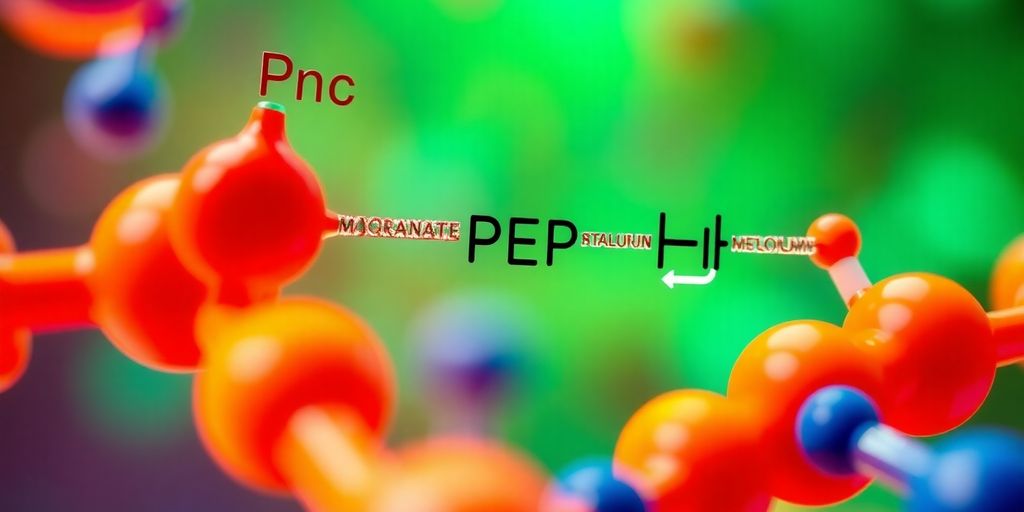
Okay, so how does PEP actually work? Basically, it’s like throwing a wrench into HIV’s plans. PEP uses antiretroviral drugs to interfere with the virus’s ability to make copies of itself inside your body. HIV needs to replicate to establish an infection, and PEP targets different stages of this process. The drugs block key enzymes that HIV uses to copy its genetic material and assemble new virus particles. By disrupting these steps, PEP can prevent the virus from establishing a permanent foothold. It’s a race against time, though, because once HIV integrates into your cells’ DNA, it’s much harder to get rid of.
The Importance of Timely Administration
Time is seriously of the essence with PEP. The sooner you start, the better your chances of preventing HIV infection. PEP is most effective when taken within 72 hours of potential exposure, and ideally, you should start it as soon as possible. Every hour counts. The idea is to get the drugs into your system before the virus has a chance to establish itself. Think of it like this: you’re trying to put out a fire before it spreads. The longer you wait, the harder it becomes to control. So, if you think you’ve been exposed, don’t delay! Seek medical attention immediately to discuss whether PEP is right for you. Remember, blood tests are important to determine your status.
Adherence to PEP Treatment
Taking PEP isn’t a one-time thing; it’s a 28-day commitment. You have to take the medications exactly as prescribed, every single day, for the full course. Missing doses can reduce the effectiveness of PEP and increase the risk of the virus developing resistance to the drugs. It’s like building a wall – if you leave gaps, the enemy can get through. Here’s what’s important:
- Set reminders to take your medication.
- Keep your appointments with your healthcare provider.
- If you experience side effects, talk to your doctor – don’t just stop taking the drugs.
Adherence is key. If you struggle with taking medications regularly, let your doctor know. They can help you find strategies to stay on track. Remember, PEP is only effective if you take it as directed. Don’t share needles or have unprotected sex while on PEP, as this increases your risk of infection. If you have any issues with the medication, a doctor may decide to change one or more of the drugs being used for PEP. PEP is not an alternative to PrEP medications.
Types of PEP
Occupational PEP
Occupational PEP is for those who’ve had a possible exposure to HIV at work. Think of a healthcare worker who gets stuck with a needle. In these cases, time is of the essence. The faster they can get on PEP, the better the chance of preventing HIV infection. It’s a critical safety net for those on the front lines. The 2013 Public Health Service Guidelines recommend a 3-drug PEP for all HIV exposures, highlighting the safety and tolerability of current HIV medications.
Non-Occupational PEP
Non-occupational PEP, or nPEP, is used after a potential exposure outside of work. This could be from unprotected sex, a broken condom, or sharing needles. It’s important to remember that PEP isn’t a substitute for other prevention methods like condoms or PrEP. It’s more of an emergency measure.
Situations Requiring PEP
PEP is really meant for specific emergency situations. It’s not something you should rely on regularly. Here are some scenarios where PEP might be considered:
- After unprotected sex with someone who is HIV-positive or whose status is unknown.
- Following a needle-stick injury with a needle that may have been used by someone with HIV.
- After a sexual assault where there was a risk of exposure.
PEP is not a replacement for consistent prevention strategies. If you find yourself needing PEP frequently, it might be time to consider PrEP or other prevention methods. PEP is designed to reduce the risk associated with a single exposure, not repeated ones.
Effectiveness of PEP
How Well Does PEP Work?
So, how good is PEP at actually preventing HIV? Well, when used correctly, it’s pretty darn effective. Think of it like this: PEP is a safety net, but it only works if you use it right.
Observational studies show that PEP can cut the risk of HIV infection by a lot – over 80%. But, and this is a big but, some people still get HIV even while on PEP. Why? Usually, it boils down to not taking the medication as prescribed (adherence) or having more exposures to HIV while on PEP. If you get HIV postexposure prophylaxis and stick to the plan, your chances of staying HIV-negative are way higher.
Factors Influencing PEP Success
Lots of things can affect how well PEP works. It’s not just about popping the pills; it’s about doing it right. Here’s a few things that matter:
- Timing: The sooner you start PEP after a possible exposure, the better. Ideally, within 72 hours.
- Adherence: Taking every dose, every day, for the full 28 days is super important. Missing doses can seriously reduce how well PEP works.
- Ongoing Risk: PEP is for emergencies, not a free pass. If you keep having exposures to HIV while on PEP, your risk goes up.
- Getting it in the first place: You need to actually get PEP from a healthcare provider. Sounds obvious, but some people don’t know about it or can’t access it easily.
Basically, PEP is most effective when you get it quickly, take it exactly as prescribed, and avoid any further exposures to HIV during the treatment period. It’s a short-term solution, not a long-term strategy.
Limitations of PEP
Okay, so PEP is good, but it’s not perfect. It’s important to know what it can’t do. For starters, PEP isn’t a substitute for other prevention methods like condoms or PrEP. It’s an emergency measure. Also, PEP has side effects for some people, which can make it hard to stick to the treatment. And, if you don’t take it right, there’s a risk of drug resistance if you do end up getting HIV.
Here’s the deal:
- PEP is not 100% effective. There’s still a chance of getting HIV, even if you do everything right.
- It’s only for emergencies. Don’t rely on it as your main way to prevent HIV.
- It requires commitment. You have to take the pills every day for a month, and that can be tough.
- It doesn’t protect against other STIs. You still need to use condoms to prevent other infections.
Risks and Side Effects of PEP
Common Side Effects
Okay, so let’s talk about the not-so-fun part of PEP: the side effects. Look, nobody wants to deal with feeling crummy while also worrying about their health. The good news is that most side effects are usually mild and manageable. Think of it like this: your body is adjusting to new medications, and it might throw a little fit in the process.
Here’s a rundown of what you might experience:
- Nausea: This is probably the most common complaint. Some people find that taking PEP with food helps.
- Fatigue: Feeling tired or run-down is also pretty typical. Make sure you’re getting enough rest.
- Diarrhea: Another common side effect. Staying hydrated is key.
- Vomiting: Less common, but it can happen. If you’re throwing up a lot, definitely talk to your doctor.
It’s important to remember that not everyone experiences side effects, and the intensity can vary a lot from person to person. If you’re really struggling, don’t hesitate to reach out to your healthcare provider. They might be able to adjust your medication or offer other ways to help you feel better.
Potential Risks of Non-Adherence
Alright, listen up, because this is super important: sticking to your PEP schedule is absolutely crucial. I can’t stress this enough. If you start missing doses or stop taking the medication altogether, you’re basically throwing away its effectiveness. PEP is designed to work consistently over that 28-day period. When you don’t take it as prescribed, the virus has a better chance of taking hold. Think of it like this: you’re giving HIV an opening to sneak in.
Here’s what can happen if you don’t adhere to your PEP treatment:
- Increased risk of HIV infection: This is the big one. The whole point of PEP is to prevent HIV, and it can’t do its job if you’re not taking it right.
- Potential for drug resistance: If you do become infected with HIV while taking PEP inconsistently, the virus could develop resistance to the medications you’re taking. This can make future treatment more difficult.
- Wasted effort and resources: PEP isn’t exactly a walk in the park. It requires commitment and can come with side effects. If you’re not going to take it seriously, you’re wasting your time, money, and energy.
Drug Resistance Concerns
Okay, let’s dive into something a little scary: drug resistance. It’s a real concern with any kind of antiviral medication, including PEP. Basically, if HIV is exposed to the drugs in PEP but isn’t completely suppressed, it can mutate and become resistant to those drugs. This means that if you later need those drugs for treatment, they might not work as well.
So, how does this happen with PEP? Well, it’s usually related to not taking the medication correctly. If you’re missing doses, the virus has a chance to replicate and potentially develop resistance. It’s also a risk if you’re exposed to HIV multiple times while on PEP. Remember, PEP is for emergency situations, not a long-term prevention strategy. If side effects and toxicity are a problem, a doctor may decide to change one or more of the drugs being used for PEP.
PEP vs. Other Prevention Methods
Is PEP an Alternative to PrEP?
No, PEP isn’t a replacement for other HIV prevention strategies. Think of it as an emergency measure, not a go-to solution. PEP is specifically for situations where an unexpected exposure to HIV has occurred. PrEP (pre-exposure prophylaxis), on the other hand, is for people who are at ongoing risk. It involves taking medication daily to prevent HIV infection if exposure occurs. Relying on PEP instead of consistent methods like PrEP or condoms isn’t a good idea because PEP is less effective if not taken correctly or started too late. Plus, frequent use of PEP can raise concerns about drug resistance.
Complementary Prevention Strategies
PEP works best when combined with other prevention methods. It’s not an either/or situation. Here’s a breakdown:
- Condoms: Consistent and correct use during sexual activity significantly reduces HIV transmission risk.
- PrEP: For individuals at high risk, daily PrEP is highly effective in preventing HIV.
- Regular Testing: Knowing your HIV status and your partner’s is crucial for making informed decisions.
- Needle Exchange Programs: For people who inject drugs, using sterile needles every time prevents HIV and other infections.
Using PEP doesn’t mean you should stop using condoms or skip regular HIV testing. It’s just one tool in a larger toolkit for preventing HIV transmission. Think of it like having a spare tire in your car – it’s there for emergencies, but you still need to maintain your regular tires.
Emergency Use of PEP
PEP is designed for emergency situations, like after a condom breaks or a needle stick injury. It’s not meant to be used regularly. If you find yourself needing PEP often, it’s time to consider other prevention methods, like PrEP. Remember, PEP involves a 28-day course of medication, and it’s most effective when started as soon as possible after exposure – ideally within 72 hours. The sooner you start, the better your chances of preventing HIV infection. If you are unsure about the need for PEP, consult with a healthcare provider immediately.
Procedure for Starting PEP
Initial Assessment and Testing
Okay, so you think you might need PEP? The first step is getting checked out by a healthcare provider. They’ll want to figure out if PEP is right for you. This usually involves:
- A risk assessment: They’ll ask about the exposure event to determine the actual risk of HIV transmission.
- HIV testing: To make sure you don’t already have HIV. PEP isn’t effective if you’re already HIV-positive.
- Other tests: They might also test for other infections or conditions that could affect which PEP meds are best for you. This could include blood and urine samples.
It’s important to be honest with your healthcare provider about the exposure event. The more information they have, the better they can assess your risk and determine the best course of action.
If rapid HIV testing isn’t available, don’t worry; PEP will likely be started right away anyway. It can always be stopped if the tests come back negative later.
Obtaining PEP Medications
If the healthcare provider decides PEP is necessary, the next step is getting the medication. Time is of the essence here. The sooner you start PEP, the better your chances of preventing HIV infection.
Many emergency rooms and clinics have PEP “starter packs” available, so you can begin treatment immediately. You’ll also get a prescription for the full 28-day course of medication. You can fill this prescription at a pharmacy. Some organizations can help with the cost of on-demand PrEP if that’s a concern.
Monitoring During Treatment
Once you start PEP, it’s important to stick with the treatment plan and get monitored by your healthcare provider. This usually involves:
- Regular check-ups: To monitor for any side effects or complications.
- Blood tests: To make sure the medications aren’t harming your body.
- Follow-up HIV testing: To confirm that you haven’t contracted HIV. This is usually done a few weeks after you finish the PEP course.
Adherence to the medication schedule is super important. Missing doses can reduce the effectiveness of PEP. If you’re having trouble sticking to the schedule or experiencing side effects, talk to your doctor, nurse, or pharmacist. They can offer strategies to help you stay on track. They might even change the medications if side effects are a big problem.
Wrapping It Up
In summary, PEP is a crucial tool for preventing HIV after potential exposure. It’s important to start the treatment as soon as possible, ideally within 72 hours, and stick to the full course of medication for four weeks. While it’s not foolproof and doesn’t replace other prevention methods, it can significantly lower the risk of infection if used correctly. If you think you’ve been exposed to HIV, don’t hesitate to reach out to a healthcare provider. They can guide you through the process and help you understand your options. Remember, staying informed and proactive is key to protecting your health.
Frequently Asked Questions
What is PEP?
PEP stands for Post-Exposure Prophylaxis. It is a treatment that includes taking three HIV medications for four weeks to lower the chance of getting HIV after being possibly exposed to the virus.
How does PEP help prevent HIV?
PEP works by stopping HIV from making copies of itself in the body. If taken quickly, it can help prevent the virus from causing a permanent infection.
When should someone start taking PEP?
PEP should be taken as soon as possible after potential exposure to HIV, ideally within a few hours. It must be started within 72 hours to be effective.
Who can use PEP?
PEP can be used by anyone who thinks they might have been exposed to HIV, such as after unprotected sex or sharing needles.
What are the side effects of PEP?
Some common side effects of PEP include tiredness, nausea, vomiting, and diarrhea. Most side effects are mild and go away after some time.
Is PEP a substitute for other HIV prevention methods?
No, PEP is not a substitute for other prevention methods like condoms or PrEP. It is meant for emergency situations only.