Table of Contents
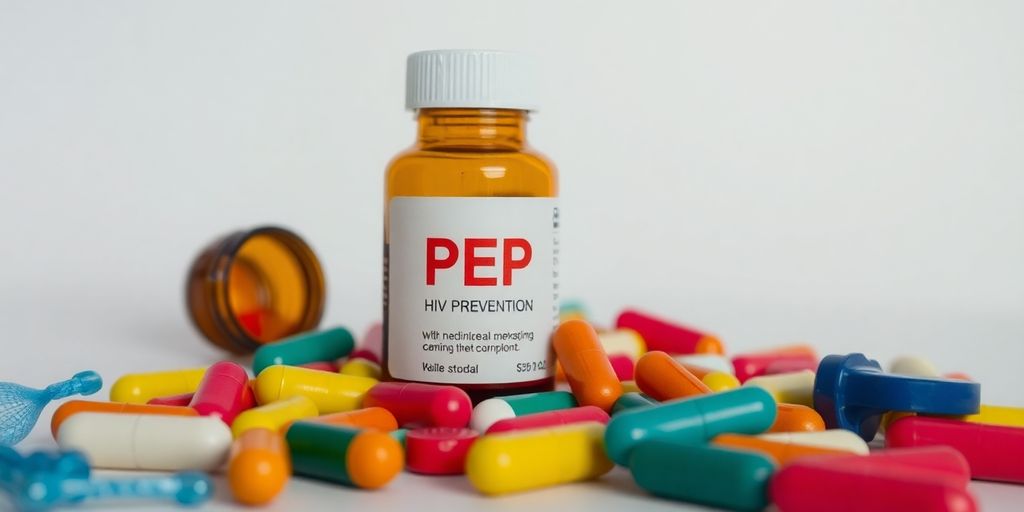
PEP, or post-exposure prophylaxis, is a critical safety measure for healthcare workers who may have been exposed to HIV or other bloodborne pathogens. Understanding how PEP works and what steps to take after an exposure can make a significant difference in preventing infection. This article will break down the essentials of PEP for Healthcare Workers, including what to do immediately after an exposure, how to administer PEP, and what to expect during follow-up care.
Key Takeaways
- PEP should be started as soon as possible, ideally within hours of exposure.
- Healthcare workers must report any potential exposure immediately for proper evaluation.
- Monitoring for side effects is crucial during the PEP regimen, which typically lasts for 28 days.
- Follow-up care includes regular testing to ensure no infection has occurred post-exposure.
- Special considerations apply for pregnant or breastfeeding healthcare workers regarding PEP administration.
Understanding PEP for Healthcare Workers
Okay, so let’s talk about PEP. It’s something every healthcare worker needs to know about, plain and simple. We’ll break it down into easy-to-understand chunks.
Definition of PEP
PEP stands for Post-Exposure Prophylaxis. It’s basically a way to prevent infection after you’ve been exposed to something like HIV. Think of it as an emergency measure, not something you use regularly. It involves taking antiretroviral medications after a potential exposure to HIV to prevent the virus from establishing itself in your body. It’s not a 100% guarantee, but it significantly reduces the risk of infection if taken correctly and promptly. Remember, PEP is an emergency treatment and time is of the essence.
Importance of PEP in Healthcare
Why is PEP so important in healthcare? Well:
- Healthcare workers are at risk of exposure to bloodborne pathogens every single day.
- PEP can significantly reduce the risk of HIV infection after an exposure.
- Having a clear PEP protocol in place protects both the healthcare worker and the patients they serve.
PEP isn’t just about preventing infection; it’s about peace of mind. Knowing you have a plan in place if something happens can make a huge difference in a stressful situation.
Who Should Consider PEP
So, who exactly should be thinking about PEP? It’s not for everyone, but here are some scenarios:
- Needlestick injuries: If you get stuck with a needle that might have HIV-infected blood on it.
- Mucous membrane exposure: If blood or other potentially infectious fluids splash into your eyes, nose, or mouth.
- Non-intact skin exposure: If blood or other potentially infectious fluids get onto broken skin.
Basically, if you’ve had a significant exposure to bodily fluids that could contain HIV, you should talk to someone about whether PEP is right for you. Don’t wait, because timing is everything with PEP.
Immediate Actions After Exposure

Initial Evaluation Procedures
Okay, so you’ve had an exposure. First things first: don’t panic (easier said than done, I know!). The very first step is to immediately decontaminate the area. For needlestick injuries, gently wash the area with soap and water. Don’t scrub too hard or try to squeeze the wound. If it was a splash to your skin, nose, or mouth, flush it really well with water. Eyes? Irrigate them with clean water or a sterile saline solution.
Next, it’s time to assess the exposure risk. What kind of fluid was involved (blood, certain body fluids are higher risk), how much, and how did it happen (needle stick, cut, splash)? This helps determine the level of risk involved.
Reporting the Exposure
Once you’ve taken those initial steps, report the incident. Don’t delay! Time is of the essence, especially when considering post-exposure prophylaxis. Usually, this means contacting your supervisor and occupational health services. They’ll guide you through the necessary paperwork and procedures. Make sure you document everything clearly: date, time, type of exposure, source information (if known), and actions taken. The more details, the better.
First Aid Measures
Beyond the initial decontamination, there are a few other first aid steps to keep in mind.
- Wash the exposed area thoroughly with soap and water.
- If it’s a wound, cover it with a clean bandage.
- Avoid using harsh chemicals like bleach on the wound.
Remember, the goal is to minimize the risk of infection. Prompt and thorough first aid is a key part of that.
It’s also important to get tested. This usually involves blood tests to check your status for HIV, hepatitis B, and hepatitis C. The source individual (if known) will also be tested, if possible, to determine their status. If the source person is known to have hepatitis B or their status is unknown, manage exposures or potential exposures as follows:
| EXPOSED PERSON VACCINATION STATUS | TEST RECOMMENDED FOR EXPOSED PERSON | TREATMENT |
|---|---|---|
| Previously Vaccinated | ||
| Responder after complete series | None | No action needed |
PEP Administration Guidelines
Timing of PEP Initiation
Time is really of the essence when it comes to PEP. Ideally, you want to start PEP as soon as possible after a potential exposure. Most guidelines say to start within 72 hours. After that, it might not be as effective, and some guidelines even advise against starting it because the risk of the virus establishing itself is too high. It’s a case-by-case thing, but don’t delay. If you’re unsure, it’s always best to err on the side of caution and seek medical advice immediately. The New York State Department guidelines don’t recommend starting PEP after 72 hours in any situation.
Recommended PEP Regimens
So, what does a typical PEP regimen look like? Well, the Public Health Service (PHS) guidelines usually recommend a 3-drug regimen because they’re generally safe and well-tolerated these days. It used to be that the severity of the exposure would dictate the regimen, but now it’s pretty much a standard 3-drug approach. There are some situations where a 2-drug regimen might be considered, like if certain drugs aren’t available or if there are concerns about side effects or adherence. But in those cases, it’s best to talk to an expert. A common regimen is raltegravir (Isentress) plus Truvada. If those aren’t an option, there’s a hotline you can call to figure out alternative PEP options.
Monitoring and Follow-Up
Because PEP involves strong medications, it’s important to keep an eye on things. Follow-up visits with a healthcare provider who knows their stuff about occupational health or HIV are key. They’ll want to check for any side effects and make sure the drugs aren’t causing any problems. Most side effects are mild and go away on their own, but sometimes they can last the whole 28-day course. Things like nausea, vomiting, diarrhea, headache, fatigue, and insomnia are common. If the side effects are really bad, they might switch you to a different regimen. The good news is that serious toxicities are rare with the current PEP regimens. You don’t need to change your patient care responsibilities while on PEP.
Potential Adverse Effects of PEP
Common Side Effects
Okay, so you’re starting PEP. It’s good you’re taking steps to protect yourself, but let’s be real: these meds can have side effects. Most of the time, they’re not a huge deal, but it’s good to know what to expect. The most common issues are gastrointestinal problems. Think nausea, maybe some vomiting, and definitely diarrhea. It’s like a mini stomach bug, but it’s the drugs doing it. Some people also get headaches, feel super tired, or have trouble sleeping. It’s all pretty standard stuff, but it can be annoying.
Managing Adverse Reactions
So, you’re feeling crummy from the PEP meds? There are things you can do! For the nausea and diarrhea, ask your doctor about antiemetics and antidiarrheal meds. They can really help. Also, try eating bland foods and staying hydrated. If you’re feeling tired, try to get more rest, even if it’s just short naps during the day. If you’re having trouble sleeping, try to stick to a regular sleep schedule and avoid caffeine before bed.
It’s important to remember that these side effects are usually temporary. They should go away once you finish the PEP course. But if they’re really bothering you, don’t hesitate to talk to your doctor. They can help you manage the side effects and make sure you’re still able to take the medication.
When to Change Regimen
Sometimes, the side effects from PEP are just too much to handle. If you’re experiencing severe side effects that are interfering with your daily life, it might be time to consider changing your regimen. This is something you should discuss with your doctor, of course. They can assess your situation and determine if a different combination of drugs might be better tolerated. Also, keep in mind that some drugs can interact with PEP medications. For example, antacids with aluminum or magnesium can mess with how your body absorbs dolutegravir. So, always tell your doctor about any other medications or supplements you’re taking. They can help you avoid any potential drug interactions.
| Monitoring | Time Frame |
|---|---|
| CBC, Renal and Hepatic Function Tests | Baseline and two weeks after starting PEP |
Follow-Up Care for Exposed Workers
After a potential exposure incident and the initiation of PEP, follow-up care is really important. It’s not just about taking the medication; it’s about monitoring your health and making sure the PEP is working as it should. It’s a process that involves testing, precautions, and keeping an eye on your overall well-being.
Testing Schedule
Okay, so you’ve started PEP. Now what? Well, regular testing is a must. The standard protocol usually involves HIV antibody testing at specific intervals. Typically, you’ll get tested at 6 weeks and then again at 4 months post-exposure. These tests help determine if the PEP was effective in preventing infection. If a fourth-generation assay isn’t available, you might need another test at 12 weeks, and sometimes even at 6 months. If you develop any symptoms that seem like acute retroviral syndrome, like fever or a rash, your doctor might also order an HIV viral load test. It’s all about staying informed and catching anything early.
Precautions During Follow-Up
During the follow-up period, especially in those initial weeks, it’s important to take precautions to prevent any potential transmission of HIV. This means avoiding donating blood, tissue, semen, or organs. It also means using protection during sexual activity. If you’re a woman, you should avoid becoming pregnant or breastfeeding during this time. These precautions are in place to protect others while you’re undergoing testing and to ensure that you’re not unknowingly spreading the virus, should you have contracted it. It’s a responsible approach to protect others and yourself.
Long-Term Health Monitoring
Even after the initial follow-up period, it’s a good idea to keep an eye on your health. While the risk of infection decreases significantly with successful PEP, long-term health monitoring can help catch any late-developing issues. This might involve routine check-ups or additional testing if you experience any unusual symptoms. Think of it as a proactive approach to your health, ensuring that you’re staying on top of things and addressing any concerns that might arise down the road.
It’s important to remember that PEP is not a guaranteed solution, but it significantly reduces the risk of infection. Following the recommended follow-up care guidelines is crucial for ensuring the best possible outcome and protecting your health in the long run.
Special Considerations for PEP
PEP for Pregnant or Breastfeeding Workers
When a healthcare worker who is pregnant or breastfeeding experiences an exposure, the situation requires extra thought. The main thing is to protect both the worker and the baby. Some PEP drugs might not be safe during pregnancy or breastfeeding because they could harm the developing fetus or infant. It’s super important to carefully weigh the risks and benefits of using PEP in these cases. You’ll want to involve experts in infectious diseases, obstetrics, and occupational health to make the best decision. They can help choose a safe PEP regimen that minimizes risks while still protecting the worker from possible infection. Also, it’s important to have a detailed discussion with the worker about the possible effects on the pregnancy or infant.
PEP in High-Risk Exposures
Sometimes, a healthcare worker might have what’s considered a high-risk exposure. This could mean a large volume of blood, a deep injury with a contaminated sharp object, or exposure to a source patient with a high viral load. In these situations, the usual PEP approach might need to be adjusted. The decision to use a more intensive PEP regimen, or to extend the duration of PEP, should be made in consultation with experts. It’s also important to keep a close eye on the worker for any signs of infection, even after the PEP course is done. Remember, every situation is different, and the plan should be tailored to the specific details of the exposure.
Ethical Considerations in PEP Administration
Giving PEP isn’t just about medicine; it also involves ethics. One big thing is making sure the worker understands the risks and benefits of PEP before they decide to take it. This means giving them all the info they need in a way they can understand, and answering any questions they have. It’s also important to respect their decision, even if it’s not what you would recommend. Another ethical point is keeping the worker’s privacy. Their exposure and treatment should be kept confidential, and only shared with those who need to know. Finally, there’s the issue of fairness. All healthcare workers, no matter their job or background, should have equal access to PEP services.
It’s important to remember that PEP is not a substitute for safe work practices. Things like using protective equipment, following proper procedures for handling sharps, and getting vaccinated against preventable diseases are still the best ways to protect yourself from occupational exposures.
Resources and Support for Healthcare Workers
It’s easy to feel alone after a potential exposure, but remember, you’re not. There are systems in place to help you through every step, from immediate actions to long-term monitoring. Knowing where to turn can make a big difference in managing your anxiety and ensuring you receive the best possible care.
Accessing PEP Services
Okay, so you’ve had an exposure. Now what? The first thing is to know where to go. Every healthcare facility should have a clear, 24/7 accessible protocol for reporting exposures and getting PEP. This includes knowing who to contact, where to get the medication, and how to get that initial supply ASAP. Think of it like a fire drill – you need to know the route before the alarm goes off. Make sure you’re familiar with your institution’s specific PEP guidelines. It’s also worth checking if your facility has a dedicated occupational health department or an agreement with a local clinic that can provide immediate assistance.
- Know your facility’s exposure reporting process.
- Identify the contact person or department for PEP access.
- Understand how to obtain the initial PEP supply after hours.
Consultation with Occupational Health
Occupational health isn’t just about ticking boxes; it’s about your well-being. After an exposure, a consultation with occupational health is super important. They can help you understand the risks, manage any side effects from PEP, and arrange for follow-up testing. They’re also there to answer your questions and provide emotional support. Don’t hesitate to reach out – they’re on your side. Plus, they can help you navigate the paperwork and ensure everything is properly documented. Think of them as your advocate within the system. They can also provide information on career advancement training opportunities.
It’s easy to downplay the emotional impact of an exposure, but it can be significant. Occupational health professionals are trained to provide support and counseling to help you cope with the stress and anxiety associated with the incident.
Educational Resources on PEP
Staying informed is key. There are tons of resources available to help you understand PEP, from guidelines to quick guides. The more you know, the better prepared you’ll be to handle a potential exposure. Check out resources from the CDC, WHO, and other professional organizations. Many hospitals also offer in-house training and educational materials. Knowledge is power, especially when it comes to protecting your health.
- CDC’s website has updated guidelines for managing occupational exposures.
- WHO offers resources on preventing needle stick injuries.
- Your hospital’s intranet may have specific PEP protocols and educational materials.
Wrapping It Up
In conclusion, PEP is a vital tool for healthcare workers who might be exposed to HIV and other bloodborne pathogens. It’s all about acting fast and having a solid plan in place. Healthcare facilities need to ensure that their staff knows how to report exposures and access PEP quickly. Remember, the sooner you start PEP after an exposure, the better the chances of preventing infection. While the side effects can be a hassle, they’re usually manageable. Regular follow-ups with a healthcare provider are key to staying on top of any potential issues. So, if you’re in the healthcare field, stay informed and prepared—your health and safety matter.
Frequently Asked Questions
What is PEP and why is it important for healthcare workers?
PEP stands for Post-Exposure Prophylaxis. It is a treatment given to healthcare workers who may have been exposed to HIV. This treatment is important because it can help prevent the virus from spreading in the body if taken quickly after exposure.
Who should think about getting PEP?
Healthcare workers who have been exposed to HIV through a needlestick injury, a cut, or contact with infected fluids should consider getting PEP. It’s crucial to act fast, ideally within a few hours after the exposure.
What steps should I take right after an exposure?
If you are exposed, first wash the area with soap and water. If there are splashes to the face, rinse with water or saline. Then, report the exposure to your supervisor and seek medical help immediately.
How soon should PEP be started after exposure?
PEP should be started as soon as possible, ideally within 2 hours of exposure. It must be started no later than 72 hours after the exposure for it to be effective.
What are some side effects of PEP?
Common side effects of PEP can include nausea, diarrhea, and tiredness. These side effects are usually mild and go away after a short time, but if they are severe, you should talk to your doctor.
What follow-up care is needed after starting PEP?
After starting PEP, you should have follow-up appointments to monitor your health and get tested for HIV. Testing is usually done at 6 weeks and again at 4 months after exposure.