If you’re sexually active, understanding STD testing is really important. It helps you know your health status and protects both you and your partners. This guide will break down everything you need to know about STD testing in 2025, from why it matters to how to prepare for your test. So, whether you’re just curious or looking to get tested, we’ve got you covered.
Key Takeaways
- STD testing is essential for detecting sexually transmitted infections, even when there are no symptoms.
- Regular testing can provide peace of mind and help protect your partners from potential infections.
- It’s recommended to get tested after any new sexual partners or if you’ve had unprotected sex.
- Many myths surround STD testing; it’s not just for those with symptoms or high-risk individuals.
- Preparing for your test is crucial; know what to avoid and when to schedule for the best results.
Understanding STD Testing and Its Importance
What Is STD Testing?
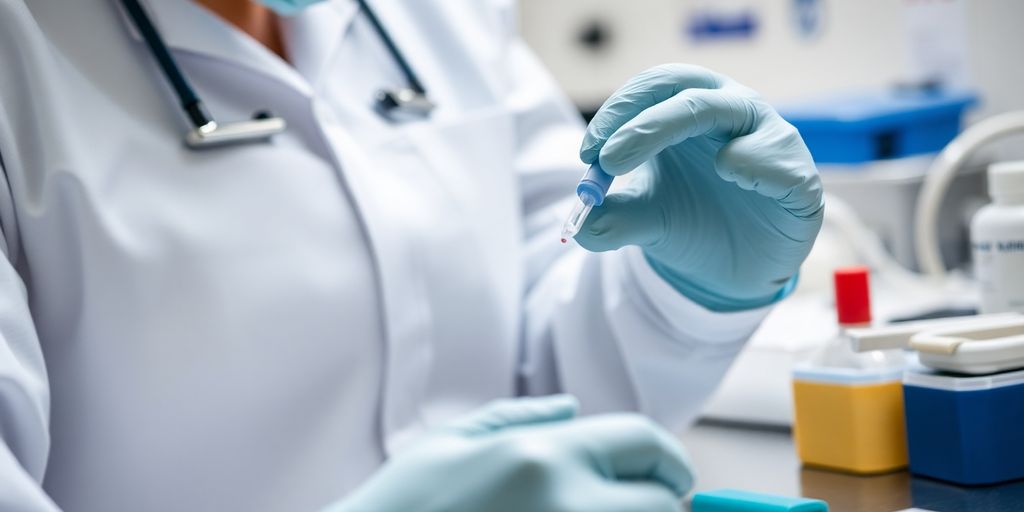
Okay, so what is STD testing? Basically, it’s how we check to see if you have a sexually transmitted disease. These tests look for different infections, from common ones like chlamydia and gonorrhea to more serious stuff like HIV and syphilis. The tests themselves can be different too. Sometimes it’s a blood test, other times it’s a urine sample, or even just a swab. It all depends on what they’re trying to find. It’s a pretty simple process, and it’s way better to know than to not know. If you are sexually active, it’s important to understand the importance of regular STD testing.
Why Regular Testing Matters
Why bother getting tested regularly? Well, it’s about staying on top of your health and protecting others. Lots of STDs don’t have symptoms, so you might not even know you have one. But even without symptoms, they can still cause problems down the road if they’re not treated. Plus, you could unknowingly pass it on to someone else. Regular testing helps catch these things early, so you can get treatment and avoid spreading anything. It’s really about being responsible and taking care of yourself and your partners.
How STD Testing Works
So, how does it all work? First, you’ll usually talk to a healthcare provider about your sexual history and any concerns you have. They’ll help you figure out which tests are right for you. Then, you’ll give a sample – blood, urine, or a swab. The sample goes to a lab, and they look for signs of infection. Once the results are in, your healthcare provider will go over them with you. If anything comes back positive, they’ll talk about treatment options. The whole process is usually pretty quick and straightforward.
Getting tested can feel a little nerve-wracking, but it’s a normal part of taking care of your health. Healthcare providers are there to help, not to judge. They want to make sure you have the information and resources you need to stay healthy. Don’t let embarrassment or fear keep you from getting tested. It’s one of the best things you can do for yourself and your partners.
Benefits of STD Testing
Peace of Mind
Let’s be real, nobody wants to be constantly worrying about their health. Getting tested for STDs can seriously reduce anxiety about your sexual health. Knowing your status lets you make informed decisions and move forward with confidence. It’s like a weight off your shoulders, allowing you to focus on other things in your life.
Protecting Your Partner’s Health
STD testing isn’t just about you; it’s about protecting the people you care about. Regular testing helps prevent the spread of infections to your partner(s). It’s a responsible and caring thing to do. If you know your status, you can take steps to prevent transmission, ensuring the health and well-being of those you’re intimate with. Open communication and awareness of risk factors are key here.
Early Detection and Treatment
Many STDs don’t show symptoms right away, but that doesn’t mean they aren’t causing damage. Early detection through testing means you can get treatment sooner, preventing long-term health problems. The sooner you know, the sooner you can start treatment and minimize any potential complications. Think of it as catching a small problem before it becomes a big one. It can also reduce the costs associated with delayed treatment.
Getting tested is a simple act that can have a huge impact on your health and the health of those around you. It’s about taking control and being proactive.
Recommended Testing Frequency
Testing After Potential Exposure
Okay, so you think you might have been exposed to something? The timeline for testing is pretty important. For most STDs, waiting about 2-3 weeks after the potential exposure is a good idea before getting tested. This gives the infection enough time to show up on a test. For HIV, it’s a bit different; a follow-up test after three months is often recommended to be sure. Don’t just assume you’re in the clear if you test too early!
How Often Should You Get Tested?
How often you should get tested really depends on your lifestyle. If you’re in a monogamous relationship and both of you have been tested, you’re probably good. But if you have multiple partners or don’t always use protection, more frequent testing is a must. Annual or semi-annual testing is a good rule of thumb in those cases. It’s all about being proactive and responsible for your sexual health. Remember, early detection is key to preventing complications.
Age and Risk Factors for Testing
Age and certain risk factors play a big role in how often you should get tested. The CDC recommends that all sexually active women under 25 get tested for chlamydia and gonorrhea every year. Also, anyone with new or multiple partners should consider more frequent testing, regardless of age. Other risk factors include a history of STIs, IV drug use, and being a man who has sex with men. If any of these apply to you, talk to your doctor about creating a testing schedule that makes sense for your situation.
It’s easy to put off STD testing, but it’s one of the most important things you can do for your health and the health of your partners. Regular testing can catch infections early, even if you don’t have any symptoms. Don’t wait until something feels wrong; make testing a routine part of your healthcare.
Common Myths About STD Testing
Myth: Only Symptomatic Individuals Need Testing
This is a big one! A lot of STDs don’t show any symptoms at all, especially in the early stages. You might feel totally fine and still be infected, and unknowingly pass it on. Chlamydia and gonorrhea, for example, often fly under the radar. So, even if you feel great, getting tested is still important, especially if you’re sexually active.
Myth: Testing Is Embarrassing
Okay, I get it. Talking about sex stuff can feel awkward. But think of it like this: going to the doctor for a check-up isn’t embarrassing, right? STD testing is just another part of taking care of your health. Clinics and doctors are used to this, and they’re there to help, not judge. Plus, they keep everything confidential. It’s way better to know your status than to avoid testing because you’re worried about feeling silly.
Myth: STD Testing Is Only for High-Risk Individuals
Nope! While it’s true that people with multiple partners or those who don’t use protection are at higher risk, anyone who is sexually active can get an STD. It doesn’t matter your age, gender, or sexual orientation.
Think of STD testing as part of your routine health maintenance, like going to the dentist or getting your eyes checked. It’s a responsible thing to do for yourself and your partners. Don’t let these myths stop you from getting the care you need.
Preparing for Your STD Test
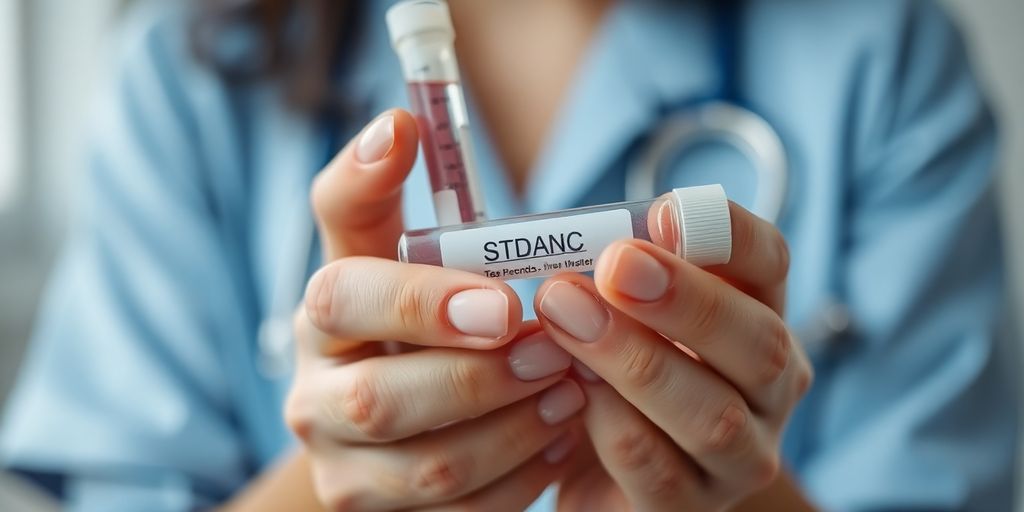
Okay, so you’ve decided to get tested. Good for you! Taking charge of your sexual health is a smart move. But before you head to the clinic or use that at-home kit, there are a few things you should keep in mind to make sure you get the most accurate results. It’s not rocket science, but a little prep can make a big difference.
Timing Your Test
Timing is actually pretty important. Some STDs can be detected pretty soon after exposure, but others take a little longer to show up. It’s all about giving your body enough time to develop antibodies or for the infection to become detectable. If you’ve recently had unprotected sex, waiting a week or two before testing is a good idea. If you’re not sure when you might have been exposed, it’s always best to chat with a healthcare provider. They can give you the best advice based on your specific situation. They can also provide clinical guidance on the best testing schedule.
What to Avoid Before Testing
There are a few things you should avoid before your test to make sure the results are as accurate as possible. For women, it’s generally recommended to avoid douching or using vaginal creams before the test, as these can mess with the vaginal environment and potentially affect the results. For urine tests, try not to pee for a couple of hours beforehand. This helps ensure there’s enough concentration in your urine for the test to pick up anything. Also, if you’re getting a swab test, wearing loose-fitting clothing can make things a bit more comfortable.
It’s always a good idea to ask the testing center or your doctor for specific instructions before your appointment. They can give you the most up-to-date advice based on the type of test you’re getting and your individual circumstances.
Understanding Different Test Types
There are several different types of STD tests, and the type you need will depend on what you’re being tested for. Here’s a quick rundown:
- Urine tests: These are often used to test for chlamydia and gonorrhea. You’ll just need to provide a urine sample.
- Blood tests: These are used to test for HIV, syphilis, and herpes. A small blood sample will be drawn from your arm.
- Swab tests: These are used to collect cells from the affected area, such as the cervix, urethra, or any sores. They’re often used to test for chlamydia, gonorrhea, herpes, and HPV.
Knowing what to expect can help ease any anxiety you might have about the testing process. Don’t be afraid to ask your healthcare provider any questions you have about the different test types. They’re there to help!
Communicating with Partners About STD Testing
Importance of Open Dialogue
Talking about STDs isn’t always easy, but it’s super important. Being open and honest is key to keeping both you and your partner healthy. It shows you respect each other and are serious about your well-being. Think of it as part of building trust in the relationship. If you can’t talk about this, what else will be hard to discuss?
Discussing Risk Factors
Before you start the conversation, take a sec to think about your own risk factors. Have you had multiple partners? Do you always use protection? Knowing your own situation helps you explain things clearly and understand what questions your partner might have. It’s not about judging yourself or them, it’s about being informed.
Navigating Conversations in New Relationships
Starting this conversation early in a new relationship can feel awkward, but it doesn’t have to be! Try bringing it up casually. Maybe something like, “Hey, I’m a big believer in being open about health stuff. Have you been tested recently?” or “I was just reading about STD testing, and it made me think we should both get checked out for peace of mind.” The goal is to make it a normal part of getting to know each other, not a big, scary deal.
Talking about STDs can be uncomfortable, but it’s a sign of respect and care for your partner. It’s about building a healthy, trusting relationship where you can both be honest and open about your health needs.
Choosing the Right Testing Facility
Finding the right place to get tested can feel overwhelming, but it doesn’t have to be. Think about what’s important to you – is it convenience, cost, or maybe feeling super comfortable with the staff? There are a bunch of options out there, from your regular doctor’s office to specialized clinics and even at-home kits. Let’s break down what to look for.
What to Look for in a Testing Center
Okay, so you’re on the hunt for a testing center. Here’s the deal: you want a place that makes you feel at ease and confident in the process.
- First, check if they offer the specific tests you need. Not all places test for everything. Some places might specialize in certain STDs.
- Next, think about location and hours. Is it easy to get to? Are they open at times that work with your schedule?
- Finally, read reviews! See what other people are saying about their experiences.
Confidentiality and Comfort
This is huge. You want to be sure your privacy is protected. Ask about their confidentiality policies. Do they share your results with anyone without your permission? A good clinic will prioritize your privacy. Also, consider the vibe of the place. Do the staff seem friendly and non-judgmental? Feeling comfortable can make a big difference in your experience. Many places understand that STD testing can be a sensitive topic, and they work hard to create a safe space.
Accessing At-Home Testing Options
Don’t want to go to a clinic? No problem! At-home testing kits are becoming super popular. You order a kit online, collect your sample (usually urine or a swab), and mail it back to the lab. The results are usually available online within a few days. Just make sure you’re using a reputable company. Look for kits that are FDA-approved and have good reviews. Also, be aware that at-home tests might not be as comprehensive as tests done at a clinic. If you test positive with an at-home kit, it’s always a good idea to follow up with a doctor to confirm the results and discuss treatment options.
Choosing the right testing facility is a personal decision. Take your time, do your research, and pick a place where you feel comfortable and confident. Your health is worth it!
Wrapping It Up
So, there you have it. STD testing is a big deal, and it’s not something to brush off. If you’re sexually active, especially if you have multiple partners, getting tested regularly is smart. It’s all about keeping yourself and your partners safe. Plus, knowing your status can really ease your mind. Don’t let fear or embarrassment hold you back from taking charge of your health. Remember, many STDs don’t show symptoms, so testing is key. Whether you go to a clinic or use at-home kits, just make sure you get tested. Your health is worth it.
Frequently Asked Questions
What is STD testing?
STD testing is a medical check-up that helps find sexually transmitted diseases. It can check for infections like chlamydia, gonorrhea, HIV, and syphilis.
Why is it important to get tested regularly?
Getting tested regularly is important because many STDs can be present without showing any symptoms. Regular testing helps catch problems early.
How does STD testing work?
STD testing usually involves giving a sample of urine, blood, or swabs from the genital area. These samples are then tested for infections.
Do I need to be tested even if I feel fine?
Yes, you should still get tested even if you feel healthy. Many STDs don’t show symptoms but can still cause health issues.
How often should I get tested?
If you have multiple partners or don’t use protection, it’s a good idea to get tested every year or even more often.
What should I do if I test positive for an STD?
If you test positive, it’s important to see a doctor for treatment. You should also inform your sexual partners so they can get tested too.