Table of Contents
If you’ve been exposed to HIV, knowing when to take PEP medication can make a significant difference in preventing infection. Post-exposure prophylaxis, or PEP, is a treatment that can help reduce your risk of HIV if started promptly. In this article, we’ll break down the timing for when to take PEP medication: essential timing for post-exposure prophylaxis and other important details you need to know about PEP, so you can make informed decisions about your health.
Key Takeaways
- PEP must be started within 72 hours of exposure for effectiveness.
- You need to take PEP every day for 28 days to ensure it works.
- Delaying PEP treatment can increase the risk of HIV infection.
- Consult a healthcare provider immediately after potential exposure for guidance.
- Complete the full course of PEP, as stopping early may lead to infection.
Understanding Post-Exposure Prophylaxis Timing
What Is Post-Exposure Prophylaxis?
Okay, so what exactly is PEP? Post-exposure prophylaxis, or PEP, is basically a course of medication you take after you think you’ve been exposed to HIV to try and prevent infection. It’s not a vaccine, and it’s not a morning-after pill. Think of it more like an emergency measure. It involves taking antiretroviral drugs for 28 days. It’s really important to understand that PEP is not a guaranteed solution, but it can significantly reduce your risk of contracting HIV if taken correctly and in a timely manner.
How Does PEP Work?
PEP works by stopping the virus from making copies of itself in your body. The medications used in PEP, which are antiretrovirals, target different stages of the HIV lifecycle. Basically, HIV needs to integrate itself into your cells to replicate, and PEP interferes with this process. It’s like throwing a wrench into the gears of the virus’s machinery. The sooner you start, the better chance the drugs have of preventing the virus from establishing a permanent infection. It’s a race against time to keep the virus from taking hold.
Why Timing Is Crucial for PEP
Timing is everything with PEP. I mean, everything. PEP is most effective when started as soon as possible after potential exposure to HIV.
- The sooner, the better.
- Effectiveness decreases rapidly after 24 hours.
- Generally, it’s not recommended if it’s been more than 72 hours since the possible exposure.
Think of it like this: HIV needs time to establish itself in your body. PEP is designed to prevent that from happening. The longer you wait, the more opportunity the virus has to take hold, and the less effective PEP becomes. It’s like trying to stop a fire after it’s already spread – much harder than putting it out when it’s just starting. Health care professionals are advised to administer the first dose of nPEP promptly.
Here’s a quick look at how effectiveness changes with time:
| Time After Exposure | Effectiveness | Recommendation |
|---|---|---|
| Within 24 hours | High | Start PEP |
| 24-48 hours | Moderate | Consider PEP |
| 48-72 hours | Low | Discuss with doctor |
| Over 72 hours | Very Low | Not Recommended |
Initiating PEP After Exposure
When Should You Start PEP?
Okay, so you think you’ve been exposed to HIV. The clock is ticking. PEP, or Post-Exposure Prophylaxis, is most effective when started as soon as possible after the potential exposure. Ideally, you want to get that first dose within 72 hours. Think of it like this: the sooner, the better. Don’t wait to see if symptoms develop; by then, it’s too late for PEP to do its job. Find a clinic or emergency room that can prescribe PEP right away. Time is really of the essence here.
What Happens If You Delay?
Delaying PEP can seriously reduce its effectiveness. After 72 hours, the chances of PEP working drop significantly. It’s not a guarantee that it won’t work, but the odds are not in your favor. The virus has more time to establish itself in your body, making it harder for the medication to prevent infection. It’s like trying to stop a train after it’s already left the station – much harder than stopping it before it gains momentum. Don’t risk it. Get help immediately.
Consulting a Healthcare Provider
After a potential exposure, your first step should be to contact a healthcare provider. They can assess your risk, determine if PEP is appropriate for you, and prescribe the medication. Don’t try to self-diagnose or get PEP from unreliable sources. A healthcare provider can also test you for HIV and other STIs to establish a baseline. They’ll also discuss the potential side effects of PEP and how to manage them. Think of them as your guide through this process. They’re there to help you make the best decision for your health.
Getting medical advice is important. A healthcare provider can evaluate your specific situation, considering factors like the type of exposure, your overall health, and any other medications you’re taking. This personalized approach is important for ensuring the best possible outcome with PEP.
Here are some things a healthcare provider will consider:
- The type of exposure (e.g., sexual contact, needle sharing)
- The HIV status of the source (if known)
- Your medical history
Duration of PEP Treatment
How Long Do You Need to Take PEP?
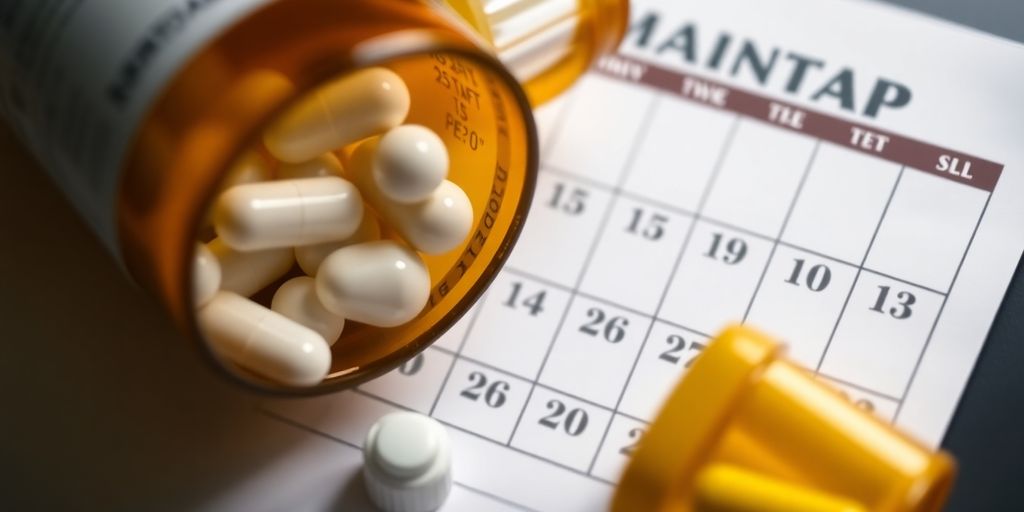
Okay, so you’ve started PEP. Now what? It’s not a one-and-done deal. Consistency is key here. You absolutely have to take the medication every day for the full duration to give it the best shot at working.
Importance of Completing the Course
Think of PEP like an antibiotic. You wouldn’t stop taking those halfway through just because you feel better, right? Same deal here. Stopping early, or skipping doses, gives HIV a chance to take hold. The standard course is 28 days. Don’t cut it short. Set reminders on your phone, use a pill organizer – whatever it takes to stick to the schedule. Your health is worth it. If you are considering starting PEP, make sure you can commit to the full course.
What to Expect During Treatment
Okay, so you’re on PEP. What’s next? Well, everyone reacts differently. Some people breeze through it with no issues. Others might experience some side effects. These can include things like nausea, fatigue, or changes in bowel habits. It’s usually nothing too intense, but definitely keep your healthcare provider in the loop if anything feels off. They can offer advice or prescribe something to help manage the side effects. Also, remember that PEP doesn’t guarantee you won’t get HIV, so continue to practice safe behaviors.
It’s important to remember that PEP is not a substitute for regular HIV prevention strategies. Continue using condoms and practicing safe sex, even while taking PEP. Think of PEP as a backup plan, not your primary defense.
Factors Affecting PEP Effectiveness
Timing of Administration
Okay, so timing is everything with PEP. I mean, we’ve already talked about it, but it’s worth repeating. The sooner you start PEP after a potential exposure, the better it works. Ideally, you want to get that first dose within 72 hours. After that, the effectiveness drops off pretty dramatically. Think of it like trying to close a door after the cat’s already halfway out – harder to do, right?
Type of Exposure
Not all exposures are created equal. The risk of HIV transmission varies depending on the type of exposure. For example, a needle stick injury from a known HIV-positive source is a higher risk than, say, a superficial skin exposure. The healthcare provider will assess the specific situation to determine the actual risk and how effective PEP is likely to be in that scenario. It’s all about understanding the details of what happened.
Adherence to Medication
This one’s pretty straightforward, but super important. PEP involves taking medication for 28 days. Missing doses or not completing the full course can seriously reduce its effectiveness. It’s like antibiotics – you gotta finish the whole bottle, even if you start feeling better. Set reminders, use a pill organizer, whatever it takes to stay on track. Your health is worth it.
Sticking to the medication schedule is really important. It’s easy to forget a dose here and there, but consistency is key for PEP to do its job properly. Think of it as a commitment you’re making to protect your health.
Risks and Considerations with PEP
Who Should Not Take PEP?
PEP isn’t for everyone. It’s really important to figure out if it’s the right choice for you. Generally, if you’ve been exposed to HIV more than 72 hours ago, PEP might not be as effective. Also, if you’re already HIV-positive, PEP won’t help – you’ll need a different treatment plan. It’s also not recommended for people who have frequent potential exposures; in those cases, something like PrEP might be better.
Potential Side Effects
Okay, let’s be real – PEP can come with some side effects. Most people experience mild stuff, but it’s good to know what to expect. Common side effects include nausea, fatigue, diarrhea, and vomiting. Some people also report headaches or stomach pain. These side effects are usually temporary and manageable, but if they become severe, definitely talk to your doctor. It’s a balancing act between the risk of HIV infection and dealing with these temporary discomforts. It’s also important to complete the full course to ensure effectiveness.
Alternatives to PEP
If PEP isn’t the right fit, there are other options to think about. For ongoing protection, pre-exposure prophylaxis (PrEP) is a great choice. It involves taking a daily pill to lower your risk of getting HIV from sex or injection drug use. Another thing to consider is safer sex practices, like using condoms consistently. Also, if the exposure risk is low, sometimes waiting and testing might be recommended instead of starting PEP right away. It really depends on the specific situation, so talking to a healthcare provider is key.
It’s important to remember that PEP isn’t a substitute for regular HIV prevention strategies. Consistent condom use and knowing your partner’s status are still super important. PEP is more like a backup plan for those unexpected situations.
Follow-Up After PEP Treatment
Testing for HIV After PEP
Okay, so you’ve finished your PEP treatment. What’s next? Well, it’s super important to get tested for HIV. The standard recommendation is to get tested at 4 to 6 weeks, 12 weeks, and then again at 6 months after you finish taking PEP. These tests are to make sure the PEP worked and that you didn’t contract HIV during the exposure. It’s a bit of a waiting game, but these follow-up tests are really important for your health and peace of mind.
Monitoring for Side Effects
Even after you’re done with the PEP medication, keep an eye out for any lingering side effects. Most side effects clear up pretty quickly after you stop taking the pills, but sometimes they can hang around a bit longer. If you notice anything unusual or concerning, don’t hesitate to reach out to your doctor. It’s always better to be safe than sorry. Also, if you had any side effects during the treatment, make a note of them for your follow-up appointment. This can help your doctor provide better care in the future. There are various models for follow-up care available.
Consulting Your Healthcare Provider
It’s really important to keep in touch with your healthcare provider after finishing PEP. They’ll guide you through the testing schedule and help you understand the results. Plus, they can answer any questions you might have about your health or future prevention strategies. Think of them as your go-to resource for all things related to HIV prevention and sexual health.
Don’t skip those follow-up appointments! They’re a key part of making sure PEP was effective and that you’re staying healthy. Your doctor can also talk to you about other ways to protect yourself in the future, like PrEP or safer sex practices.
Here’s a quick checklist for your follow-up:
- Schedule your HIV tests (4-6 weeks, 12 weeks, and 6 months).
- Monitor for any lingering side effects.
- Discuss future prevention strategies with your doctor.
Common Questions About PEP Timing
Is It Worth Taking PEP After 72 Hours?
Okay, so you’re past the 72-hour mark and wondering if PEP is even worth it. It’s a valid question! While PEP is most effective when started as soon as possible after a potential exposure, ideally within 72 hours, there’s still a chance it could offer some benefit even if you’re slightly outside that window. The sooner you start, the better, but don’t automatically rule it out without talking to a healthcare provider. They can assess your specific situation and give you the best advice. It really depends on the type of exposure and your individual circumstances. Don’t delay seeking medical advice; it’s always better to ask.
Can You Have Sex While on PEP?
This is a really important question. While you’re taking PEP, it’s strongly recommended that you avoid having unprotected sex. PEP reduces the risk of HIV infection, but it doesn’t eliminate it completely. Plus, you could potentially expose others if you are, in fact, infected. Always use condoms during sex while on PEP to protect yourself and your partners. Think of it this way: PEP is there to help, but safe sex practices are still essential. It’s also a good idea to discuss this with your doctor; they can give you personalized advice and make sure you understand the risks involved. Remember, starting PEP is just one part of staying safe.
What to Do If You Miss a Dose?
Missing a dose of PEP can be stressful, but try not to panic. Here’s what you should do:
- Take the missed dose as soon as you remember, unless it’s almost time for your next scheduled dose.
- If it’s almost time for your next dose, just skip the missed dose and continue with your regular schedule. Don’t double up on doses.
- It’s really important to try and stick to your prescribed schedule as closely as possible. Consistent adherence to medication is key for PEP to work effectively.
If you miss multiple doses, or if you’re unsure what to do, contact your healthcare provider or pharmacist right away. They can give you specific instructions based on your situation. Missing doses can reduce the effectiveness of PEP, so it’s best to get advice as soon as possible.
Final Thoughts on PEP Timing
In summary, timing is everything when it comes to taking PEP. You need to start the medication within 72 hours after potential exposure to HIV for it to be effective. Remember, it’s a 28-day course, and skipping doses can really mess with its effectiveness. If you think you might need PEP, don’t wait—reach out to a healthcare provider as soon as possible. Even if you miss that 72-hour window, it’s still worth talking to someone about your options. Staying informed and acting quickly can make a big difference in your health.
Frequently Asked Questions
What is PEP and why is timing important?
PEP stands for post-exposure prophylaxis. It’s a treatment you take to prevent HIV after being exposed to it. Starting PEP quickly is key because it works best when taken within 72 hours of exposure.
How soon should I start taking PEP?
You should begin taking PEP as soon as possible after you think you’ve been exposed to HIV. The latest you can start is 72 hours after the exposure.
What if I wait too long to take PEP?
If you wait more than 72 hours, PEP may not work effectively. It’s important to talk to a healthcare provider right away if you think you’ve been exposed.
How long do I need to take PEP?
You will need to take PEP for a total of 28 days. It’s crucial to complete the entire course to reduce the risk of HIV infection.
Can I have sex while on PEP?
If you’re on PEP and have sex, it’s safest to use condoms to protect your partner until you know your HIV status.
What should I do if I miss a dose of PEP?
If you miss a dose of PEP, take it as soon as you remember. If it’s almost time for your next dose, skip the missed dose and continue with your schedule. Do not double up.