
Clinically reviewed by Dr. Ponlawat Pitsuwan, Physician, Takecare Clinic Phuket.
Last reviewed: November 2026
If you are bitten by a snake in Phuket, stay calm, keep the bitten limb still and below heart level, and get to a clinic or hospital the same day, even if you feel fine. Do not apply a tourniquet, do not cut the wound, and do not try to suck out venom. Many bites deliver no venom at all, but the only safe way to confirm that is clinical observation, not waiting it out alone in your villa.
You are staying in a villa in Rawai, step out toward the garden at dusk, and something moves in the low vegetation near the pool fence. You feel a sharp sting on your ankle. You are not sure what it was, and now you are searching "snake bite Phuket" with your heart racing and a two-week holiday ahead of you.
That situation happens here. Phuket has real venomous snakes, and they turn up in places that catch people completely off guard: villa gardens, resort flowerbeds, hiking paths around Khao Rang, and waterways near Thalang. Most bites are manageable when you respond correctly in the first hour. The most common first responses, like tying something tightly around the limb or trying to find the snake, are the ones most likely to make things worse.

Venomous Phuket Snakes: Which Species You Might Actually Encounter
The monocled cobra is the species I want you to know. It is found across Phuket, including residential gardens in Chalong and Rawai, and its venom attacks the nervous system rather than causing immediate tissue damage. That can be deceptive. A monocled cobra bite may cause only mild local pain at first, while venom spreads silently and symptoms appear later.
Wagler’s pit viper turns up in ornamental trees and shrubs around resort gardens and the green areas of Cherng Talay and Surin. Its venom can cause swelling and bruising that progress quickly in Phuket’s heat and humidity, faster than people from cooler climates expect. The banded krait is also present on the island, neurotoxic and mostly nocturnal, which is why late evening walks in greener areas carry more risk than a midday beach walk.
For divers and snorkellers: banded sea kraits are present in Phuket waters. They are venomous and generally non-aggressive, but picking one up underwater has caused bites. If you see one at a dive site near Kata or on a liveaboard trip out toward Phi Phi, leave it alone.
Most snakes you encounter on the island are non-venomous rat snakes or bronzebacks. You cannot tell from a glance, and the first step is always the same regardless of species.
Phuket Snake Bite First Aid: What to Do Right Now
Keep still. That is the single most important instruction. Movement spreads venom through the lymphatic system faster. Sit or lie down, keep the bitten limb below the level of your heart, and do not walk around trying to find help if someone can come to you.
Call 1669, Thailand’s emergency number, if symptoms are spreading quickly. For a bite with local pain but no other symptoms, get a taxi or have someone drive you to a clinic or hospital. Remove any rings, watches, or tight clothing near the bite before swelling starts, because that swelling can be significant and fast.
A pressure immobilisation bandage is recommended by some guidelines for neurotoxic snake bites, particularly cobra and krait bites. This is not a tourniquet. It is a firm, even bandage over the entire bitten limb, applied with the same pressure you would use for a sprain, not tight enough to cut off circulation. If you do not know how to apply one correctly, do not attempt it. An incorrectly applied bandage causes more harm than none.
Do not use a tourniquet. Do not cut the bite site. Do not try to suck out venom. All three are dangerous and none works.
Hospital Observation After a Snake Bite in Phuket
Even if you feel fine, go. That is not optional.
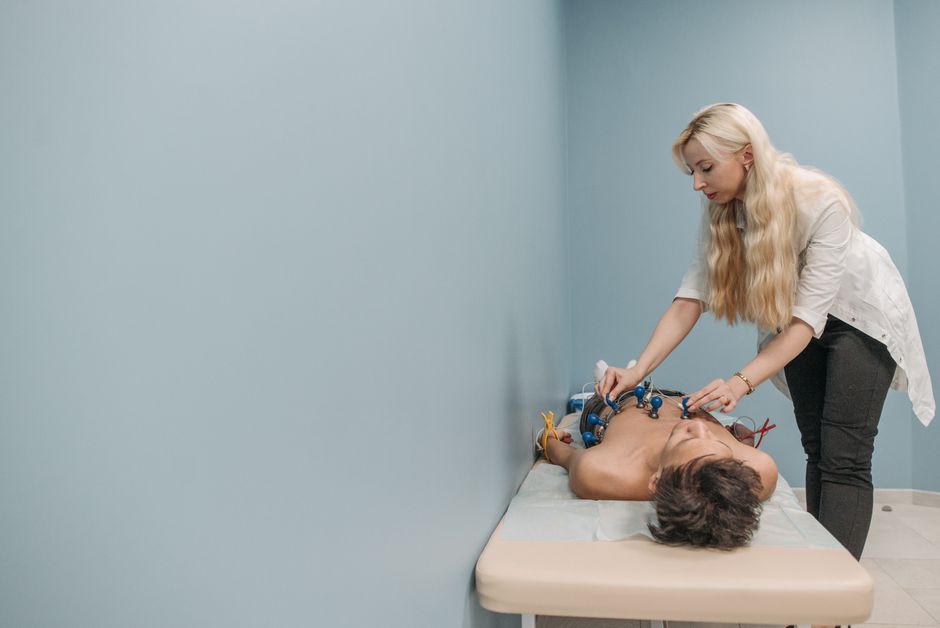
A significant proportion of bites from venomous snakes are dry bites, meaning the snake struck but did not inject venom. The problem is that you cannot tell a dry bite from an early neurotoxic envenomation by symptoms alone in the first hour. Cobra venom can delay symptom onset, so feeling normal at the 30-minute mark does not mean you are safe. Post-exposure management requires a minimum observation period at a clinical facility, with monitoring for symptom progression.
Watch for these red flags at any point and call 1669 immediately if they appear: difficulty swallowing or breathing, drooping eyelids or blurred vision, swelling spreading up the limb within 30 minutes, uncontrolled bleeding from the bite, or collapse. These indicate systemic envenomation and need an emergency response, not a taxi to a walk-in clinic.
Where Takecare Clinic Phuket Fits Into Your Response Plan
If you are bitten, your symptoms are local and not spreading, and you are stable, an English-speaking doctor can assess you, clean and dress the wound, document the timeline and any symptom changes, and make a clear referral decision if hospital-level care is needed.
That is what Takecare Clinic Phuket does. Walk in, no appointment, English-speaking physician on site. We assess the bite site, check for early signs of envenomation, and get you to the right level of care without the confusion of arriving at a hospital without documentation or a clinical timeline. For animal bite treatment in Phuket, that first clinical contact matters. The referral note we provide speeds up triage at the hospital.
We also handle wound care for bite site injuries after hospital discharge, as well as tetanus assessment. The bite wound itself, even from a non-venomous snake, carries infection risk in Phuket’s heat and humidity. Getting proper care early prevents secondary infections that complicate a straightforward bite.
Antivenom in Phuket: Where It Is and Who Decides
Antivenom is a hospital-only treatment. It is administered by IV, and it must be given with adrenaline and full resuscitation equipment ready, because a serious allergic reaction during administration is a real risk. No walk-in clinic administers antivenom, and you should not want one to.
The Queen Saovabha Memorial Institute in Bangkok produces the antivenoms used in Thailand. These are species-specific, meaning the right antivenom depends on identifying the correct snake. This is why photographing the snake from a safe distance matters if you can do it safely, from at least two metres away. Chasing or killing the snake to bring it in is not worth the risk of a second bite.
Antivenom is not given for every venomous bite. Dry bites do not need it. Mild local effects without systemic spread are managed with observation and supportive care. The decision is made by the treating physician based on symptoms, species identification where possible, and clinical monitoring.
Snakes in Phuket Villas and Resort Gardens
Rainy season, roughly May to October, is when snake encounters in residential and resort areas increase. Snakes follow their prey, and the rains bring out frogs, geckos, and rodents into villa gardens, ornamental planting, and drainage channels. Residents and long-stay visitors in Cherng Talay, Rawai, and Thalang see this pattern every year.
If you find a snake in your villa or garden, do not approach it and do not try to remove it yourself. Keep children and pets away. Call a local snake-rescue service rather than a pest control company: relocation is safer than killing, and many of Phuket’s snakes are legally protected. If the snake is inside a room, close the door and block the gap at the bottom while you wait for help.
Residents who want to reduce encounters can manage the conditions that attract snakes: clearing low vegetation and debris near foundations, keeping rodent populations down, and ensuring pool fencing sits tight to the ground. If you need broader guidance on urgent care or emergency doctor services in Phuket, that information is available at Takecare Clinic Phuket as well.
Bitten by a snake in Phuket? If your symptoms are local and stable, Takecare Clinic Phuket is a walk-in clinic in Patong with no appointment needed and an English-speaking physician on site. We provide clinical assessment of the bite, wound care, and a documented referral if hospital care is needed. We serve patients across the whole island, including Rawai, Chalong, Cherng Talay, and Kata. Come in directly or call ahead.
Frequently Asked Questions
Dr. Ponlawat Pitsuwan
Physician, Takecare Medical Clinic Phuket
a walk-in medical clinic based in Patong with no appointment needed and English-speaking physician care available across the island. He sees tourists, expats, and residents for animal bites, wound care, and urgent care following environmental hazards including snake encounters. His focus is straightforward, evidence-based care delivered in plain language.
References
- World Health Organization. Snakebite envenoming: A strategy for prevention and control. Geneva: WHO; 2019.
- Warrell DA. Snake bite. Lancet. 2010;375(9708):77–88.
- Nelsen DR, Nisani Z, Cooper AM, et al. Poisons versus venoms: the place of distinction in vertebrate biology. Biol Rev. 2014. Referenced via: Nelsen et al. ‘Dry bite’ in venomous snakes: A review. Toxicon. 2017;133:63–69.
- Thai National Parks. Naja kaouthia (Monocled cobra) species page. Thai National Parks.
The information in this article is for educational purposes only and does not constitute medical advice. It should not be used to self-diagnose or replace a consultation with a qualified physician. If you have concerns about your health, contact a licensed medical professional. For appointments at Takecare Clinic Phuket, visit takecareclinicphuket.com.
