
Clinically reviewed by Dr. Ponlawat Pitsuwan, Physician, Takecare Clinic Phuket.
Last reviewed: November 2026
If someone near you has sudden face drooping, arm weakness, or slurred speech, call 1669 immediately. Do not drive to the hospital yourself. The treatment window for a stroke caused by a blood clot is narrow, and every minute without treatment increases permanent damage. This applies whether you are in Patong, Kata, Rawai, or anywhere else on the island.
A retired couple is having lunch at a Kata beachfront restaurant. Halfway through the meal, the husband stops mid-sentence. His words come out wrong. His wife notices one side of his face looks different. Her first thought is heatstroke, or maybe too much sun on the walk down. I understand that instinct completely. But those three things together, sudden speech change, facial asymmetry, mid-sentence confusion, have one explanation that must be ruled out before anything else.
Stroke is a medical emergency. In Phuket, a few things make it harder to manage than it would be at home. You may not know the local emergency number. You may be far from the right hospital. And the symptoms can look like a dozen other things that are common here.
Recognising Stroke Symptoms With BE FAST
BE FAST is the fastest check. Each letter covers one sign to look for.
B is for Balance: sudden loss of coordination or stumbling without explanation. E is for Eyes: sudden blurred or double vision, or vision loss in one eye. F is for Face: ask the person to smile and look for one side drooping. A is for Arms: ask them to raise both arms and watch whether one drifts down. S is for Speech: slurred, strange, or absent words. T is for Time: if any of these are present, call for help right now.
Balance and Eyes were added to the older FAST acronym because some strokes, particularly those affecting the back of the brain, present without facial droop or arm weakness. Sudden dizziness alone rarely means stroke. Sudden dizziness combined with any other sign on this list is a different situation.
Stroke Symptoms That Get Mistaken for Something Else in Phuket
A sudden severe headache after a beach day gets put down to dehydration. Arm weakness after coming off a scooter on the Patong hill roads gets blamed on the fall. Vision disturbance after a dive trip to Phi Phi gets written off as ear pressure. Some of those assumptions are right. The ones that are wrong cost lives.
Stroke symptoms come on suddenly and are severe from the start. A hangover headache builds over time. A dehydration headache responds to fluids. The worst headache of your life that arrives in seconds, with no clear cause, is a different situation. So is arm weakness with no injury behind it, or slurred speech in someone who has had nothing to drink.
If you are unsure, treat it as a stroke until proven otherwise. The cost of being wrong in that direction is very low. The cost of being wrong the other way is not.
Why Minutes Matter With Stroke
For ischemic strokes, caused by a clot, there is a treatment window. Thrombolytic therapy, the clot-dissolving medication given through a drip, must be started within 4.5 hours of symptom onset, and outcomes are better the earlier it is given within that window. Brain cells die rapidly without blood flow. The longer the delay, the more function is lost.
This is why driving yourself, or waiting to see if things improve, is the wrong decision. Call 1669. Tell them you think someone is having a stroke. Give your location clearly. If you cannot get through, call 191, the Thai police line, which can relay medical emergencies.
Note the exact time symptoms started. The treating team will ask. That single piece of information directly affects which treatments are available.
What Number to Call for a Stroke in Phuket
1669 is the national emergency medical services number in Thailand. It is the national emergency medical services number and works from mobile phones on Thai networks.
191 is the Thai police line. If 1669 is slow to answer, 191 can relay a medical emergency and dispatch help. Hotel and resort reception staff can also call on your behalf and direct the ambulance to your exact location, which matters more in Phuket than in a city because addresses here can be hard to pinpoint.
Save both numbers in your phone now, before you need them.
Which Phuket Hospital Has a Stroke Unit
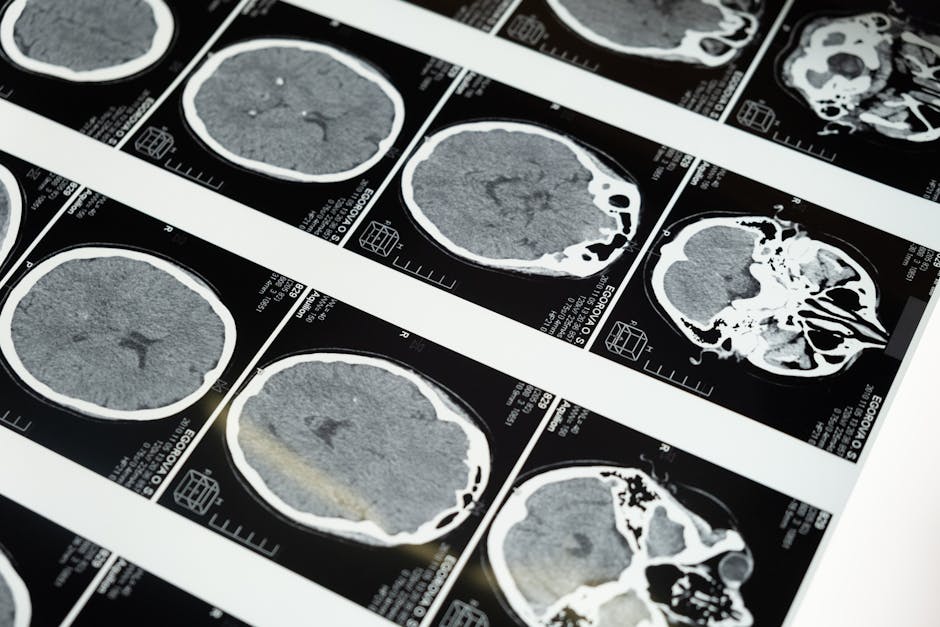
Phuket has private hospitals equipped to handle stroke emergencies. Bangkok Hospital Phuket and Phuket International Hospital both have emergency departments with imaging capabilities. For stroke specifically, the ability to perform a CT scan immediately is essential to tell whether the stroke is ischemic or hemorrhagic, because the treatments differ. Vachira Phuket Hospital is the main public hospital and has emergency services, though private hospitals generally have faster access to specialist imaging out of hours.
Do not search for hospital options in the moment. Know in advance which facility you would head to, or more accurately, which one the ambulance will take the person to. If you have travel insurance, call the insurer’s emergency line from the ambulance, not before it. For more detail on hospital options across the island, the health checkup and hospital guide at Takecare Clinic Phuket covers what is available locally.
What to Do While Waiting for the Ambulance
Keep the person calm and still. Lay them on their side if they are unconscious or vomiting. Do not give them food, water, or any medication. Do not let them walk around to test whether they are okay.
Stay on the line with the dispatcher if possible. Tell them the exact location, the symptoms you can see, and when those symptoms started. If the person is conscious, reassure them without telling them they are fine until a doctor has done so.
Mini-Strokes and What Comes Next
A TIA, a transient ischaemic attack, is a stroke where the blood flow disruption is temporary. Symptoms resolve, often within minutes. The person feels better. Feeling suddenly better is not reassurance here. The risk of a full stroke in the days following a TIA is highest immediately after the event.
Anyone whose symptoms have resolved still needs same-day emergency assessment. Do not wait for morning. Do not fly home and sort it out there. Go to the emergency department now.
After the acute phase, there is follow-up work that matters. A TIA can point to underlying risk factors: high blood pressure, atrial fibrillation (an irregular heartbeat), uncontrolled blood sugar, or high LDL cholesterol. Identifying those factors reduces the chance of a repeat event. The standard starting point is a cardiovascular screen covering blood pressure, an ECG, fasting glucose, and a lipid panel.
For long-stay expats and residents in Chalong, Cherng Talay, Bang Tao, and Rawai who want to get ahead of these risk factors, Takecare Clinic Phuket offers that screen with no appointment needed. An English-speaking doctor in Phuket is available to review results and advise on next steps, whether that means lifestyle changes, a referral, or a prescription review. If you need a same-day urgent assessment, the emergency doctor service at Takecare Clinic Phuket is also available. Blood pressure, ECG, and blood tests in Phuket can all be arranged the same day.
Takecare Clinic Phuket is a walk-in medical clinic in Patong, open with no appointment needed and English-speaking physician care for the whole island. If you have had symptoms that have since resolved and want a cardiovascular screen before flying home, or as part of ongoing health management, we can check your blood pressure, run an ECG, and arrange blood tests the same day. For non-emergency follow-up after a TIA or stroke scare, visit us at 34/14 Prachanukhro Rd, Patong, or see our services at takecareclinicphuket.com.
FAQ
Dr. Ponlawat Pitsuwan
Physician, Takecare Medical Clinic Phuket
a walk-in medical clinic based in Patong with no appointment needed and English-speaking physician care across the island. He sees tourists, expats, and residents for urgent care, cardiovascular risk screening, and follow-up assessment after acute events including suspected TIA. His approach is straightforward, evidence-based care delivered in plain language.
References
- Aroor S, Singh R, Goldstein LB. BE-FAST (Balance, Eyes, Face, Arm, Speech, Time): Reducing the Proportion of Strokes Missed Using the FAST Mnemonic. Stroke. 2017;48(2):479-481.
- Emberson J, Lees KR, Lyden P, et al. Effect of treatment delay, age, and stroke severity on the effects of intravenous thrombolysis with alteplase for acute ischaemic stroke: a meta-analysis of individual patient data from randomised trials. Lancet. 2014;384(9958):1929-1935.
- Johnston SC, Rothwell PM, Nguyen-Huynh MN, et al. Validation and refinement of scores to predict very early stroke risk after transient ischaemic attack. Lancet. 2007;369(9558):283-292.
- American Heart Association / American Stroke Association. Early Management of Patients With Acute Ischemic Stroke: 2026 Guideline Update. Stroke, published January 26, 2026.
- National Institute of Neurological Disorders and Stroke. Stroke. National Institutes of Health.
- American Heart Association. Stroke Warning Signs and Symptoms. heart.org.
The information in this article is for educational purposes only and does not constitute medical advice. It should not be used to self-diagnose or replace a consultation with a qualified physician. If you have concerns about your health, contact a licensed medical professional. For appointments at Takecare Clinic Phuket, visit takecareclinicphuket.com.
