Clinically reviewed by Dr. Ponlawat Pitsuwan, Physician, Takecare Clinic Phuket.
Last reviewed: November 2026
Phuket carries real mosquito-borne disease risks for pregnant women, including dengue and Zika, that require specific precautions beyond standard travel advice. Most food risks come from shellfish, raw dishes, and buffet food left in the heat rather than street food in general. Paracetamol is the only safe pain and fever reliever in pregnancy here: avoid ibuprofen and aspirin entirely, especially before dengue is ruled out. If you develop a fever, get a blood test the same day. Walk-in assessments are available at Takecare Clinic Phuket in Patong with no appointment needed.
You are twelve weeks pregnant and you have just felt a mosquito bite through your ankle on a Kata beach lounger. You brush it off. Probably nothing. Then you remember reading something about Zika on the flight over. That is the moment this article is for.
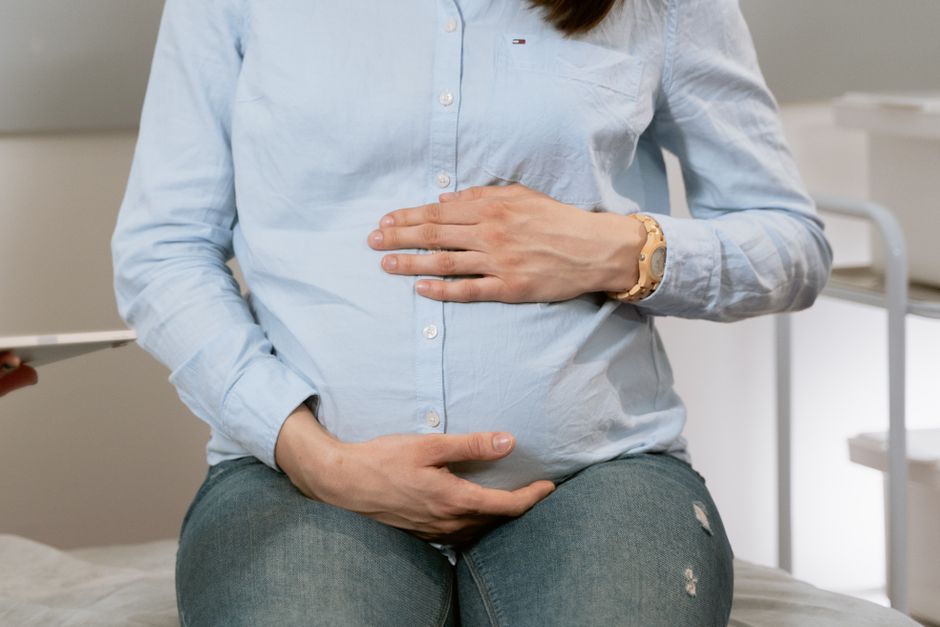
Being pregnant in Phuket is manageable. Thousands of pregnant visitors and expats are on this island every month, and most have an uneventful trip. But the risks here are specific, the heat makes certain problems move faster than you would expect, and a few decisions during pregnancy carry consequences that a tired tourist can easily miss. This covers what actually matters: the mosquito risks by trimester, what to eat and avoid, which medicines are off the table, and where to go on the island if something does not feel right.
Mosquito-Borne Risks When Pregnant in Phuket
Dengue is the main concern. It circulates year-round in Phuket, with transmission rising during the rainy season from May to October. This is not a risk confined to the countryside. The green residential streets of Chalong, Cherng Talay, and Thalang carry real mosquito pressure alongside any hotel zone in Patong. The mosquito that carries dengue bites during the day, mostly in the early morning and late afternoon, so being indoors at night is not protection enough.
Dengue during pregnancy raises the risk of preterm delivery, low birth weight, and serious bleeding complications including postpartum haemorrhage. If you develop a sudden high fever with joint pain, a rash, or pain behind your eyes, do not wait to see if it passes. A same-day blood test including an NS1 antigen can identify dengue within hours. You can read more about dengue in pregnancy symptoms and testing on the dengue test page at Takecare Clinic Phuket.
Zika is a different risk and the trimester matters enormously. First-trimester exposure carries the highest risk of microcephaly, a serious developmental condition affecting the baby’s brain. Zika is confirmed to be present in Thailand, though active transmission levels fluctuate. Many Zika infections cause no symptoms at all. A fever or rash in early pregnancy in Phuket warrants testing even if you feel mostly fine.
Chikungunya also circulates in Phuket and causes fever and severe joint pain. It is not linked to the fetal developmental risks of Zika, but severe fever in any trimester can cause complications and needs assessment.
What Repellent Is Safe to Use in Pregnancy
DEET-based repellents are considered safe in pregnancy at concentrations up to 30%. Apply to exposed skin only, avoid your hands and face, and wash it off when you are inside for the evening. Picaridin is an accepted alternative if you prefer to avoid DEET. Citronella and other natural repellents provide significantly shorter protection and are not adequate as your sole defence in a high-exposure environment like Phuket. Use repellent every time you go outside, not just at the beach.
Food Safety When Pregnant in Phuket
The risks here are more specific than the usual advice to avoid street food. Freshly cooked, piping-hot food from busy stalls is generally lower risk than food that has been sitting out. Buffets on the Patong strip are a real concern: food left at warm ambient temperature in Phuket’s heat can reach conditions that allow bacterial growth faster than you would expect from holiday catering at home.
Raw shellfish is the highest-risk category. Oysters, clams, and mussels from the Rawai seafood market or any beach restaurant can carry Vibrio bacteria and hepatitis A, both of which carry serious complications in pregnancy. Raw papaya salad is often made with unpasteurised fish sauce or raw fermented crab, which puts it in the same risk bracket. Skip it entirely rather than asking about ingredients.
Pre-cut fruit sitting in the heat, soft-serve ice cream, and anything made with unpasteurised dairy also carry listeria risk. Listeria is rare but causes severe illness in pregnant women at a much higher rate than in the general population. Bottled or filtered water only, and no ice unless you are certain of the source.
If you do develop diarrhea, oral rehydration salts are safe in pregnancy and available at every 7-Eleven on the island. Vomiting and diarrhea together in Phuket’s heat can cause dehydration faster than you expect. If you cannot keep fluids down, you need IV rehydration assessed by a doctor. The food poisoning treatment page at Takecare Clinic Phuket covers when to come in.

Medicines to Avoid While Pregnant in Phuket
Paracetamol at standard doses is the only over-the-counter pain and fever reliever considered safe in pregnancy. Ibuprofen and all other NSAIDs are contraindicated in pregnancy, particularly in the second and third trimester. Aspirin carries the same concern, with an additional specific danger: if you have dengue and you take aspirin, it increases bleeding risk significantly. Do not take aspirin for a fever in Phuket until dengue is ruled out by a blood test.
Antidiarrheal medicines like loperamide carry limited safety data in pregnancy and should not be used without a doctor’s guidance. Some antibiotic courses used for traveler’s diarrhea are also contraindicated depending on your trimester. If you get sick, the safest path is a quick assessment rather than self-treating from a pharmacy shelf.
Ultrasound and Prenatal Checks in Phuket
If you are a long-stay expat or your trip is running longer than planned, you may need a scan or blood test without your home doctor. Walk-in blood tests including complete blood count, blood group, and infection screening are available at Takecare Clinic Phuket with no appointment needed. An English-speaking doctor in Phuket can assess your symptoms, order relevant tests, and give you documentation to pass on to your obstetrician at home.
For a formal fetal anomaly scan or detailed obstetric ultrasound, you will need referral to one of the larger hospitals on the island. What the clinic can do is assess your situation, run the relevant blood work, check your blood pressure, and make sure you get to the right level of care. If you need a fit to fly certificate before flying home in your third trimester, that assessment is also available.
Warning Signs That Need Same-Day Assessment
A sudden high fever in any trimester needs same-day blood tests to rule out dengue and other infections. Do not manage a fever above 38°C with paracetamol alone and wait it out.
A severe headache with visual disturbance, blurred vision, or spots is a possible sign of preeclampsia and needs urgent assessment. The same applies to sudden swelling of the face or hands beyond normal pregnancy swelling.
Vaginal bleeding at any stage, sudden severe abdominal pain, reduced or absent fetal movement in the third trimester, and signs of dehydration such as not passing urine, dizziness on standing, or a racing pulse all warrant immediate care. These are not situations to monitor from your hotel room.
If you are unsure whether a symptom is serious, Takecare Clinic Phuket is a walk-in clinic in Patong with no appointment needed, serving patients across the whole island including Kata, Rawai, Kamala, Bang Tao, and Phuket Town.
Pregnant and feeling unwell in Phuket? Do not wait to see if it passes. Takecare Clinic Phuket is a walk-in clinic in Patong with English-speaking physician care and no appointment needed. We can assess your symptoms, run same-day blood tests including dengue and infection screening, check your blood pressure, and help you get to the right level of care if needed. We serve patients across the whole island, from Bang Tao and Kamala to Rawai and Chalong.
Frequently Asked Questions
Dr. Ponlawat Pitsuwan
Physician, Takecare Medical Clinic Phuket
a walk-in medical clinic based in Patong with English-speaking physician care and no appointment needed. He sees tourists, expats, and residents across Phuket for pregnancy-related concerns including fever assessment, dengue testing, infection screening, and prenatal blood work during travel or long-stay visits. His focus is straightforward, evidence-based care in plain language.
References
- World Health Organization. Zika virus: fact sheet. WHO, 2023.
- Centers for Disease Control and Prevention. Dengue and pregnancy. CDC, 2024.
- Centers for Disease Control and Prevention. Zika virus: pregnancy and reproductive risks. CDC, 2024.
- Pomar L, et al. Dengue during pregnancy and adverse maternal, fetal and neonatal outcomes: a systematic review and meta-analysis. Le Infezioni in Medicina, 2025;33(1):15-28.
- McGready R, et al. Safety of the insect repellent N,N-diethyl-M-toluamide (DEET) in pregnancy. American Journal of Tropical Medicine and Hygiene, 2001;65(4):285-9.
- Cauchemez S, et al. Association between Zika virus and microcephaly in French Polynesia, 2013-15: a retrospective study. The Lancet, 2016;387(10033):2125-2132.
The information in this article is for educational purposes only and does not constitute medical advice. It should not be used to self-diagnose or replace a consultation with a qualified physician. If you have concerns about your health, contact a licensed medical professional. For appointments at Takecare Clinic Phuket, visit takecareclinicphuket.com.