Table of Contents
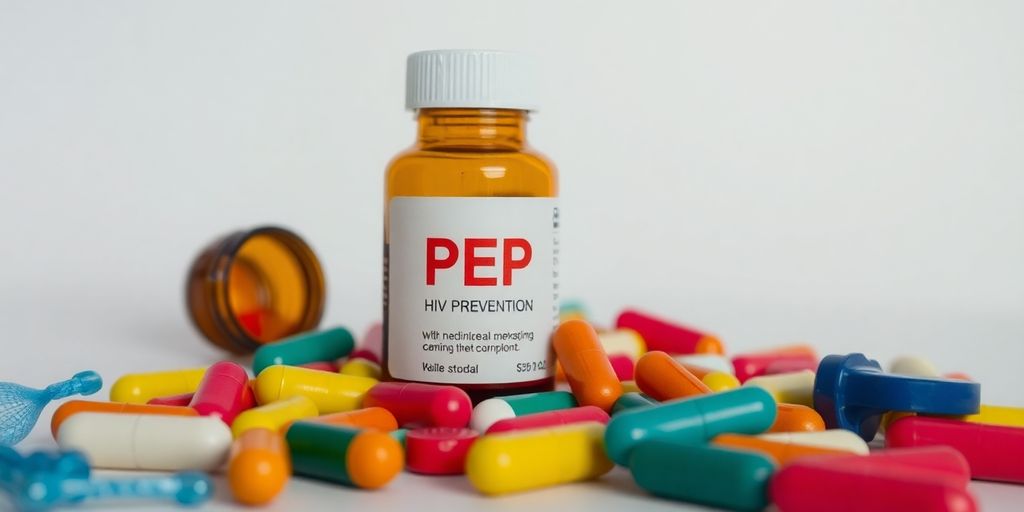
PEP, or post-exposure prophylaxis, is a treatment that can help prevent HIV after potential exposure. But how long does PEP last? Understanding its duration and effectiveness is crucial for anyone who might need it. In this article, we’ll break down how PEP works, what influences its effectiveness, and what you can expect during and after treatment.
Key Takeaways
- PEP must be started within 72 hours after potential HIV exposure to be effective.
- The treatment usually lasts for 28 days, but follow-up testing is essential.
- Factors like the type of exposure and individual health can affect how well PEP works.
- Common side effects can occur, but serious reactions are rare and manageable.
- PEP is different from PrEP and condoms, and each has its own use case.
Understanding PEP Duration
What Is PEP?
So, what exactly is PEP? Well, it stands for Post-Exposure Prophylaxis. It’s basically a course of medication you take after you’ve potentially been exposed to HIV to prevent becoming infected. Think of it as an emergency measure. It’s not something you take every day like a vitamin; it’s specifically for those situations where you think you might have come into contact with the virus. It’s important to know what it is and when it might be needed.
How PEP Works
PEP works by using antiretroviral medications to stop HIV from establishing itself in your body after exposure. The drugs work to block the virus from replicating and spreading. It’s not a 100% guarantee, but it significantly reduces the risk of infection if taken correctly and started soon enough after the potential exposure. The sooner you start, the better your chances of it working. It’s a race against the virus, really. The standard PEP treatment timeline involves taking 2–3 antiretroviral medications for 28 days following potential HIV exposure. While it can reduce the risk of infection, it does not guarantee prevention.
Importance of Timing
Timing is everything with PEP. Seriously, it’s not something you can put off. The sooner you start PEP after a potential exposure, the more effective it is. Guidelines generally recommend starting PEP within 72 hours of exposure. After that, its effectiveness decreases significantly, and it might not work at all. Don’t wait and see; act fast. If you think you’ve been exposed, get to a doctor or clinic right away.
Think of PEP like emergency contraception – the sooner you take it, the better it works. Don’t delay; every hour counts. It’s better to be safe than sorry when it comes to your health.
Here’s a quick rundown:
- Within 24 hours: Highly effective
- 24-48 hours: Still effective, but less so
- 48-72 hours: Effectiveness significantly reduced
- After 72 hours: Generally not recommended
Factors Influencing PEP Effectiveness
Type of Exposure
The nature of the exposure plays a big role in how well PEP works. Was it a needle stick? Unprotected sex? The risk varies a lot depending on the type of contact and the HIV status of the source. For example, receptive anal sex carries a higher risk than oral sex. Also, if the source has a high viral load, the risk of transmission is greater. It’s not a one-size-fits-all situation; each exposure needs to be evaluated individually to understand the actual risk involved.
Timing of Administration
Time is of the essence with PEP. Ideally, you want to start PEP as soon as possible after exposure. It’s generally recommended to begin within 72 hours. The sooner you start, the better your chances of preventing HIV infection. After 72 hours, the effectiveness of PEP decreases significantly, and it might not be recommended at all. Think of it like this: the virus needs time to establish itself in your body, and PEP works best when it can interfere with that process early on.
Individual Health Factors
Your overall health can also influence how well PEP works. Things like kidney function, liver function, and any other medications you’re taking can affect how your body processes the PEP drugs. For example, some medications can interact with PEP drugs, making them less effective or increasing the risk of side effects. Also, if you have underlying health conditions, your doctor might need to adjust the PEP regimen to make sure it’s safe and effective for you.
It’s important to be honest with your doctor about your health history and any medications you’re taking. This will help them determine the best PEP regimen for you and minimize the risk of complications.
Here’s a quick rundown of factors:
- Kidney function
- Liver function
- Other medications
PEP Treatment Timeline
Initial Consultation
Okay, so you think you might need PEP. The first step is getting to a doctor or clinic, like, fast. Time is super important with PEP; the sooner you start, the better it works. They’ll ask you about the exposure – what happened, when it happened, and how it happened. They’ll also want to know about your health history and any meds you’re taking. Don’t hold back; be honest so they can figure out the best plan for you. They’ll probably do some quick tests, too, to see where you’re at.
Follow-Up Appointments
So, you’ve started PEP. Now what? You’ll need to go back for follow-up appointments. These are important for a few reasons:
- To check how you’re feeling and if you’re having any side effects from the meds.
- To make sure the PEP is working and that you’re staying healthy.
- To answer any questions you might have about ongoing health monitoring or anything else.
These appointments are usually scheduled a few weeks after you start and finish PEP. Don’t skip them!
Testing After PEP
After you finish the 28-day course of PEP, you’re not totally in the clear just yet. You’ll need to get tested for HIV. Usually, this involves a few tests over several months. Here’s a typical schedule:
- Test 1: 4-6 weeks after the potential exposure.
- Test 2: 3 months after the potential exposure.
- Test 3: 6 months after the potential exposure (this one is often recommended, just to be extra sure).
It’s easy to feel anxious during this time, but try to remember that PEP is really effective when taken correctly. Stick to the testing schedule, and talk to your doctor if you’re worried about anything. They can give you the best advice and support.
Potential Side Effects of PEP
Let’s be real, PEP isn’t a walk in the park. While it’s a crucial intervention to prevent HIV after a potential exposure, it can come with some side effects. It’s good to know what to expect so you’re not caught off guard. Most people who take PEP experience at least one side effect, but they’re usually manageable.
Common Side Effects
Okay, so what are we talking about here? The most common complaints are nausea, fatigue, and headaches. Some people also report diarrhea or just generally feeling unwell. These side effects are usually mild and tend to go away as your body adjusts to the medication. It’s important to remember that these side effects are often temporary and don’t last the entire duration of the treatment. Here’s a quick rundown:
- Nausea
- Fatigue
- Headaches
- Diarrhea
- Vomiting
Serious Reactions
While most side effects are mild, there’s always a chance of something more serious. Allergic reactions, though rare, can happen. Signs of a serious reaction include difficulty breathing, swelling, or a rash. If you experience any of these, seek medical attention immediately. Also, some PEP medications can affect your kidneys or liver, so your doctor will monitor you with blood tests.
Managing Side Effects
So, you’re feeling crummy from the PEP meds – what can you do? First, talk to your doctor. They might be able to adjust your medication or prescribe something to help with the nausea. For nausea, try eating smaller, more frequent meals. Staying hydrated is also key. If you’re feeling fatigued, try to get enough rest and avoid strenuous activities.
It’s important to communicate openly with your healthcare provider about any side effects you’re experiencing. They can offer guidance and support to help you manage them effectively and complete the PEP course.
Comparing PEP to Other Prevention Methods
PEP vs. PrEP
Okay, so let’s break down PEP versus PrEP. They both fight HIV, but they’re used in totally different situations. PEP, or post-exposure prophylaxis, is like your emergency backup. You use it after a possible exposure to HIV, like if a condom broke. PrEP, or pre-exposure prophylaxis, is something you take before any potential exposure. Think of it as a daily shield. It’s for people who are at ongoing risk. It’s not a one-time thing. PrEP is a preventive measure for individuals at high risk of HIV.
PEP vs. Condoms
Condoms are like the OG of HIV prevention. They’re a barrier method, meaning they physically block the virus from getting into your body. PEP, on the other hand, is a medication you take after the fact. Condoms are great because they also protect against other STIs, not just HIV. PEP only targets HIV. It’s important to remember that no method is 100% foolproof, but consistent and correct condom use is super effective. PEP is there if something goes wrong.
When to Use PEP
So, when exactly should you consider PEP? Well, it’s for emergency situations. Like:
- A condom breaks during sex with someone who has HIV or whose status is unknown.
- You share needles or syringes.
- You’re sexually assaulted.
The key thing to remember is that PEP is not a substitute for other prevention methods. It’s a backup plan. It’s also not something you should use regularly. If you find yourself needing PEP often, it might be time to consider other options, like PrEP or just being more careful with condoms. Think of PEP as a safety net, not a lifestyle choice.
Accessing PEP Services

Where to Get PEP
Okay, so you think you might need PEP? The first thing to know is where to actually get it. Time is of the essence with PEP, so you can’t wait around. You’ve got a 72-hour window to start it for it to be effective.
- Emergency Rooms: Most ERs will have PEP available. It’s a good option if it’s after hours or you don’t have another immediate place to go.
- Urgent Care Clinics: These are often faster and cheaper than ERs, but make sure they actually offer PEP. Call ahead!
- Your Doctor: If you have a regular doctor, they might be able to prescribe it, but this depends on their availability and knowledge about PEP treatment.
- Planned Parenthood: Many Planned Parenthood locations offer PEP. Check their website or call to confirm.
- Health Departments: Your local health department is another potential resource. They often have programs related to HIV prevention.
Finding PEP can feel stressful, but remember that many resources are available. Don’t hesitate to call around to confirm availability and understand the process. Acting quickly is key.
Cost Considerations
Let’s be real, healthcare costs can be a major worry. PEP is no exception. The cost can vary a lot depending on where you get it and whether you have insurance. A full course of PEP can be expensive, sometimes costing hundreds or even thousands of dollars without insurance. The actual price depends on the specific medications used and the length of the treatment (usually 28 days). It’s worth asking about generic options, which can bring the cost down.
Insurance Coverage for PEP
Having insurance can make a big difference in the cost of PEP. Most insurance plans, including Medicaid and many private plans, do cover PEP, but the extent of coverage can vary. You’ll want to check your specific plan details to understand your co-pays, deductibles, and any other out-of-pocket costs. Some plans may require pre-authorization before you can get PEP covered. If you don’t have insurance, there are still options. Some clinics offer sliding scale fees based on your income, and pharmaceutical companies sometimes have patient assistance programs that can help with the cost of HIV prevention medications. Don’t let the potential cost scare you away from seeking treatment; explore all available options.
Long-Term Considerations After PEP
So, you’ve finished your PEP treatment. What’s next? It’s not just about popping pills for a month and then forgetting about it. There are some important things to keep in mind for your health and well-being in the long run.
Testing for HIV After PEP
Okay, this is super important. You absolutely need to get tested for HIV after completing PEP. The standard recommendation is to get tested at 4-6 weeks, 3 months, and 6 months after the potential exposure. Why so many times? Well, it takes time for HIV antibodies to show up in your system, if you were infected. Testing at these intervals helps to make sure you get an accurate result. Don’t skip these appointments, even if you feel fine. It’s better to know for sure.
Ongoing Health Monitoring
Even if your HIV tests come back negative, it’s a good idea to keep an eye on your overall health. PEP drugs can sometimes have lingering effects, and it’s always smart to be proactive. This might involve:
- Regular check-ups with your doctor.
- Monitoring for any unusual symptoms.
- Discussing any concerns you have about your health.
Think of it like this: PEP is a safety net, but it’s not a free pass to ignore your health. Take care of yourself, and stay informed.
Mental Health Support
Going through a potential HIV exposure can be stressful, no doubt about it. The anxiety of waiting for test results, worrying about the future – it can all take a toll. Don’t hesitate to reach out for mental health support if you’re struggling. Talking to a therapist, counselor, or support group can make a huge difference. Remember, taking care of your mental health is just as important as taking care of your physical health. It’s okay to not be okay, and it’s definitely okay to ask for help. If you are looking for HIV postexposure prophylaxis, there are many resources available.
Wrapping It Up
In short, PEP is a short-term solution for preventing HIV after potential exposure. It’s most effective when started as soon as possible, ideally within 72 hours. The treatment usually lasts for about 28 days, and while it can be a lifesaver, it’s not foolproof. It’s important to follow up with your healthcare provider after finishing PEP to get tested and discuss ongoing prevention strategies. Remember, staying informed and proactive is key to your health.
Frequently Asked Questions
What is PEP?
PEP stands for Post-Exposure Prophylaxis. It is a medicine that helps prevent HIV infection after someone might have been exposed to the virus.
How long does PEP last?
PEP is usually taken for 28 days. It’s important to start taking it as soon as possible after potential exposure.
What happens if I miss a dose of PEP?
If you miss a dose, take it as soon as you remember. If it’s almost time for your next dose, skip the missed one and continue with your schedule.
Can I take PEP if I’m already HIV positive?
No, PEP is only for people who may have been recently exposed to HIV and are not already infected.
What are some side effects of PEP?
Common side effects can include nausea, fatigue, and headaches. Most side effects are mild and go away after a few days.
Where can I get PEP?
You can get PEP from hospitals, clinics, or healthcare providers that offer services for sexual health.