Table of Contents
Missing a dose of PEP (post-exposure prophylaxis) can be stressful, but knowing what to do next can help ease your mind. PEP is a crucial treatment that can prevent HIV after potential exposure, and taking it correctly is essential for it to work. If you’ve missed a dose, don’t panic. This guide will walk you through the steps you should take and what to keep in mind moving forward.
Key Takeaways
- PEP must be taken for a full 28 days without skipping doses.
- If you miss a dose, take it as soon as you remember, but don’t double up.
- Missing doses can increase the risk of HIV infection.
- Consult your healthcare provider if you miss more than one dose or have concerns.
- Set reminders to help prevent missing future doses.
Understanding PEP Treatment
What Is PEP?
Okay, so what exactly is PEP? Well, it stands for Post-Exposure Prophylaxis. It’s basically a course of HIV medication you take after you’ve potentially been exposed to the virus to prevent infection. Think of it as an emergency measure, not something you use regularly. It’s not like taking a daily vitamin; it’s more like a safety net after a potential slip-up. You can find more information about preventive treatment online.
How Does PEP Work?
PEP works by trying to stop HIV from establishing itself in your body after exposure. The medications used in PEP are antiretrovirals, which are the same drugs used to treat people who already have HIV.
- These drugs work by interfering with the virus’s ability to replicate.
- The goal is to reduce the viral load to such a low level that it can’t establish a permanent infection.
- It’s a race against time, which is why starting PEP as soon as possible is super important.
The sooner you start PEP, the better your chances of preventing HIV infection. Time is of the essence, so don’t delay seeking treatment if you think you’ve been exposed.
Who Should Consider PEP?
PEP isn’t for everyone. It’s meant for specific situations where there’s been a significant risk of HIV exposure. Here are some scenarios where PEP might be considered:
- Unprotected sex with someone who is HIV-positive or whose HIV status is unknown.
- Sharing needles or syringes when injecting drugs.
- A healthcare worker experiencing a needle-stick injury with blood from someone who is HIV-positive.
It’s important to talk to a healthcare provider to assess your individual risk and determine if PEP is right for you. They’ll consider factors like the type of exposure, the HIV status of the source (if known), and your overall health. Remember, PEP is most effective when started as soon as possible after exposure, ideally within 72 hours.
Immediate Steps After Missing a Dose
Okay, so you missed a dose of PEP. Don’t panic! It happens. Here’s what you should do right away.
Take the Dose as Soon as Possible
The most important thing is to take the missed dose as soon as you remember. If it’s close to the time for your next scheduled dose, you’ll need to decide whether to take it or not. It’s all about getting back on track quickly to maintain the effectiveness of the treatment.
Do Not Double Up on Doses
Never, ever double up on your next dose to make up for a missed one. This won’t help and could actually cause more harm than good. Sticking to the prescribed dosage is key to managing side effects and ensuring the medication works properly. Doubling up can lead to unpleasant side effects and won’t increase the PEP effectiveness.
Assess the Time Since the Missed Dose
Think about how long it’s been since you were supposed to take the dose. If it’s only been a few hours, take it immediately. If it’s been longer, like almost a full day, it gets a little trickier. Here’s a general guideline:
- Less than 24 hours: Take the missed dose right away.
- Between 24-48 hours: Take the missed dose, but be extra vigilant about side effects.
- More than 48 hours: Contact your healthcare provider immediately for advice. They might have specific instructions based on your situation.
Missing doses can reduce how well PEP works. It’s super important to get back on schedule as soon as possible and to talk to your doctor if you’re unsure what to do. They can give you the best advice for your specific situation.
Consequences of Missing Doses
Missing doses of PEP can have serious consequences. It’s super important to stick to the schedule your doctor gives you. Here’s what can happen if you don’t.
Increased Risk of HIV Infection
The biggest risk of missing PEP doses is that it can make the treatment less effective at preventing HIV infection. Adherence is key. If you don’t take the medication as prescribed, the virus has a better chance of establishing itself in your body. It’s like not finishing a course of antibiotics – the infection can come back stronger. viral suppression is the goal, and missing doses works against that.
Potential Discontinuation of Treatment
Missing too many doses can lead to your doctor stopping the PEP treatment altogether. Usually, if you miss more than 48 hours worth of medication, they might decide it’s not worth continuing. This is because the effectiveness of PEP drops significantly with each missed dose, and at a certain point, the benefits no longer outweigh the risks of side effects. It’s a bummer, but it’s better to be safe than sorry.
Impact on Overall Effectiveness
Even if you don’t miss enough doses for the treatment to be stopped, inconsistent adherence can still reduce how well PEP works. Studies show that PEP is highly effective when taken correctly, reducing the risk of HIV infection by over 80%. However, this number drops if doses are missed. Think of it like this:
- Each dose is a brick in a wall protecting you from the virus.
- Missing doses create gaps in the wall.
- The more gaps, the easier it is for the virus to get through.
Sticking to your PEP schedule is crucial for its success. Don’t let a simple mistake turn into a serious health risk. Set reminders, use pill organizers, and do whatever it takes to stay on track.
Consulting Healthcare Providers
When to Contact Your Doctor
Okay, so you missed a dose of PEP. Don’t panic, but don’t ignore it either. The first thing you should do is reach out to your doctor or the healthcare provider who prescribed the PEP. They’re the best people to give you advice specific to your situation. It’s especially important to call ASAP if you’ve missed more than one dose, or if you’re experiencing any new or worsening side effects. Even if you only missed one dose and took it pretty quickly after remembering, a quick call can give you peace of mind. They can assess your individual risk factors and give you the most accurate guidance. It’s always better to be safe than sorry when it comes to PEP treatment.
Questions to Ask About Missed Doses
When you talk to your doctor, come prepared with a few questions. This will help you get the most out of the conversation and understand what to do next. Here are some ideas:
- How much does missing this dose affect the overall effectiveness of the PEP?
- Do I need to restart the PEP regimen?
- Are there any additional tests I should consider?
- Should I be concerned about drug resistance?
- What are the specific risks given my exposure situation?
It’s also a good idea to ask about strategies for remembering to take your medication in the future. They might have some helpful tips or suggestions that you haven’t thought of.
Follow-Up Testing Recommendations
Even if you haven’t missed any doses, follow-up testing is a standard part of the PEP process. After missing a dose, it becomes even more important. Your doctor will likely recommend a series of HIV tests at specific intervals (usually around 4-6 weeks, 3 months, and 6 months after the potential exposure). These tests are crucial for determining whether the PEP was effective in preventing HIV infection. Make sure you understand the testing schedule and stick to it. If you have any concerns or notice any symptoms in the meantime, don’t hesitate to contact your healthcare provider. They can provide guidance and support throughout the testing process.
Managing Side Effects During PEP
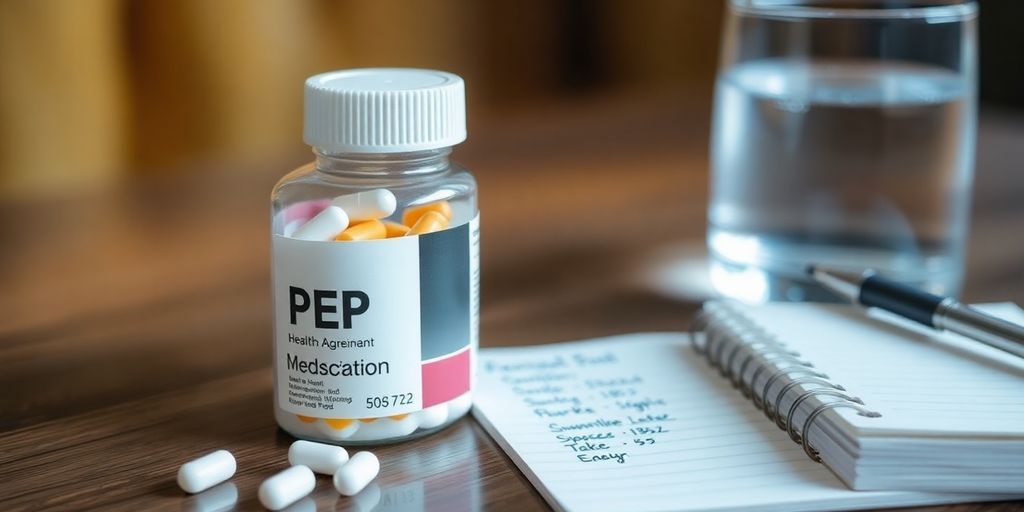
PEP, while effective, can sometimes bring along unwanted side effects. It’s good to know what to expect and how to handle them.
Common Side Effects to Expect
Okay, so you’ve started PEP. What now? Well, some people breeze through it, but others experience side effects. The most common ones include nausea, fatigue, headaches, and diarrhea. These are usually mild and temporary, but it’s still good to be prepared. Think of it like this: your body is adjusting to new medications, and it needs a little time to get used to them. These side effects are generally manageable and often subside as your body adjusts to the medication.
Here’s a quick rundown:
- Nausea: Can range from a slight queasiness to more intense discomfort.
- Fatigue: Feeling more tired than usual.
- Headaches: Can vary in intensity and frequency.
- Diarrhea: Loose or frequent bowel movements.
When to Seek Medical Attention
Most side effects are manageable, but some require a call to your doctor. If you experience severe abdominal pain, difficulty breathing, signs of an allergic reaction (like rash, hives, or swelling), or persistent vomiting, seek medical help right away. Also, if the side effects are so intense that you’re considering stopping PEP, talk to your doctor first. Stopping abruptly can mess with the PEP dosing and scheduling, so it’s important to get their advice.
Tips for Managing Discomfort
Alright, so you’re feeling a bit rough. What can you do? Here are a few tips to ease the discomfort:
- Nausea: Try eating smaller, more frequent meals. Avoid greasy or spicy foods. Ginger ale or ginger candies can also help.
- Fatigue: Get plenty of rest. Avoid strenuous activities. A short nap during the day might help.
- Headaches: Over-the-counter pain relievers like acetaminophen or ibuprofen can provide relief. Stay hydrated.
- Diarrhea: Drink plenty of fluids to avoid dehydration. Avoid dairy products and caffeine. Consider an over-the-counter anti-diarrheal medication, but check with your doctor first.
Remember, everyone reacts differently to PEP. What works for one person might not work for another. Don’t be afraid to experiment with different strategies to find what helps you feel better. And always, always talk to your doctor if you have any concerns.
Preventing Future Missed Doses
Okay, so you’ve missed a dose of PEP. It happens. The important thing is to learn from it and put some strategies in place to make sure it doesn’t become a habit. Let’s be real, life gets hectic, but consistency is key with PEP. Here’s how to make it easier to stay on track:
Setting Reminders and Alarms
This might seem obvious, but it’s surprising how many people underestimate the power of a simple reminder. Don’t just rely on your memory! Set multiple alarms on your phone. I’m talking about alarms with descriptive labels, not just “Alarm 1”! Use phrases like “Take PEP Meds” so you know exactly what it’s for. Consider setting a backup alarm, too, just in case you accidentally dismiss the first one. You can also use reminder apps that allow you to snooze or reschedule if you’re busy at the moment. Experiment with different sounds or vibrations to find what grabs your attention best.
Creating a Medication Schedule
Having a set schedule can make a huge difference. It’s not just about knowing when to take your meds, but also where and how it fits into your daily routine. Think about what you do every day and find a time that consistently works. Do you always eat breakfast at 8 AM? That might be a good time to take your PEP. Are you always home by 6 PM? Link it to something you already do. Write it down, put it on your fridge, share it with a friend – make it real. This way, taking your medication becomes a natural part of your day, like brushing your teeth. If you miss doses of PrEP, you may need to take post-exposure prophylaxis (PEP) to lower the risk of contracting HIV.
Using Pill Organizers
Pill organizers are a game-changer. No more fumbling with bottles or wondering if you already took your dose. Get a pill organizer with compartments for each day of the week, or even multiple times a day if your PEP regimen requires it. Fill it up once a week, and you’re good to go. You can easily see if you’ve missed a dose at a glance. Plus, it’s a great visual reminder. Keep it in a visible spot, like on your kitchen counter or next to your toothbrush.
It’s also a good idea to keep a small supply of your medication with you when you’re traveling or away from home. That way, you won’t have to worry about missing a dose if you’re not in your usual environment. Just make sure to store it properly and keep it out of reach of children.
Resources for PEP Support
Where to Find PEP
Okay, so you need PEP. Where do you even start? The most important thing is to act fast; PEP needs to be started within 72 hours of potential exposure, but ideally sooner. Your best bet is usually a sexual health clinic or an emergency room.
- Sexual health clinics are often the most knowledgeable.
- Emergency rooms are open 24/7.
- GPs don’t usually prescribe PEP.
Remember, time is of the essence. Don’t delay seeking treatment if you think you need PEP. It’s better to be safe than sorry.
Support Groups and Counseling
Dealing with a potential HIV exposure can be stressful. It’s normal to feel anxious or scared. Support groups and counseling can be really helpful during this time. Talking to others who have gone through similar experiences can make you feel less alone. Counselors can also provide strategies for managing anxiety and stress. Look for local organizations or online forums that offer support for people considering or taking PEP. It’s a sign of strength to ask for help, not weakness.
Online Resources for Information
There’s a ton of information about PEP online, but it’s important to stick to reliable sources. Look for websites from organizations like the CDC, WHO, or reputable HIV/AIDS advocacy groups. These sites can provide accurate information about how PEP works, potential side effects, and what to expect during treatment. Be wary of random websites or forums where the information might not be accurate or up-to-date. Knowledge is power, but only if it’s the right knowledge.
Wrapping It Up
Missing a dose of PEP can be stressful, but it’s important to stay calm. If you realize you’ve missed a dose within 24 hours, just take it as soon as you remember. But if it’s been more than 48 hours, you’ll need to stop the treatment altogether. Remember, sticking to the full 28-day course is key for it to work effectively. If you have any doubts or questions, don’t hesitate to reach out to your healthcare provider. They can help you figure out the best next steps. Taking care of your health is what matters most, so keep that in mind!
Frequently Asked Questions
What should I do if I miss a dose of PEP?
If you forget to take a dose of PEP, take it as soon as you remember. But if it’s been more than 24 hours, skip the missed dose and continue with your regular schedule. Don’t take two doses at once.
How long do I need to take PEP?
You need to take PEP for a full 28 days to make sure it works effectively. Missing doses can lower its chances of preventing HIV.
What happens if I miss multiple doses?
If you miss more than two doses (48 hours), PEP treatment may not be effective anymore, and you should talk to your doctor about stopping it.
Can I take PEP if I’ve already been exposed to HIV for more than 72 hours?
No, PEP should only be taken within 72 hours after possible exposure to HIV. After that time, it won’t work.
What are the side effects of PEP?
Common side effects of PEP can include nausea, headaches, and tiredness. These are usually mild and should go away after a few days.
Where can I get PEP?
PEP is available for free at sexual health clinics or HIV clinics. If you need it after hours, you can go to an emergency room.