
Clinically reviewed by Dr. Ponlawat Pitsuwan, Physician, Takecare Clinic Phuket.
Last reviewed: November 2026
Box jellyfish are present in Phuket waters, most commonly during and just after the southwest monsoon from May through October. Most stings reported at Phuket beaches involve fire jellyfish rather than true box jellyfish, but both require the same first aid: get out of the water, pour vinegar over the sting for at least 30 seconds, do not rub, and get clinical assessment if pain spreads or any systemic symptoms appear. For same-day jellyfish sting treatment in Phuket with no appointment needed, Takecare Clinic Phuket is based in Patong and serves the whole island.
You are three days into a diving holiday, back on Kata Beach after a morning snorkel, and something brushes your forearm. By the time you are on the sand, the burning has started and there is a red welt forming across your skin. You are not sure what hit you, the water looked clear, and now you are searching for answers while your travel companion hands you a bottle of water and suggests pouring it on.
Do not pour the water on. That is the wrong move, and it matters here. Phuket has more than one type of jellyfish, they peak at different times, and what you do in the first two minutes affects how the next two hours go. This guide covers which species actually live around the island, when and where risk is highest, and exactly what to do if you get stung.
Which Jellyfish Live Around Phuket
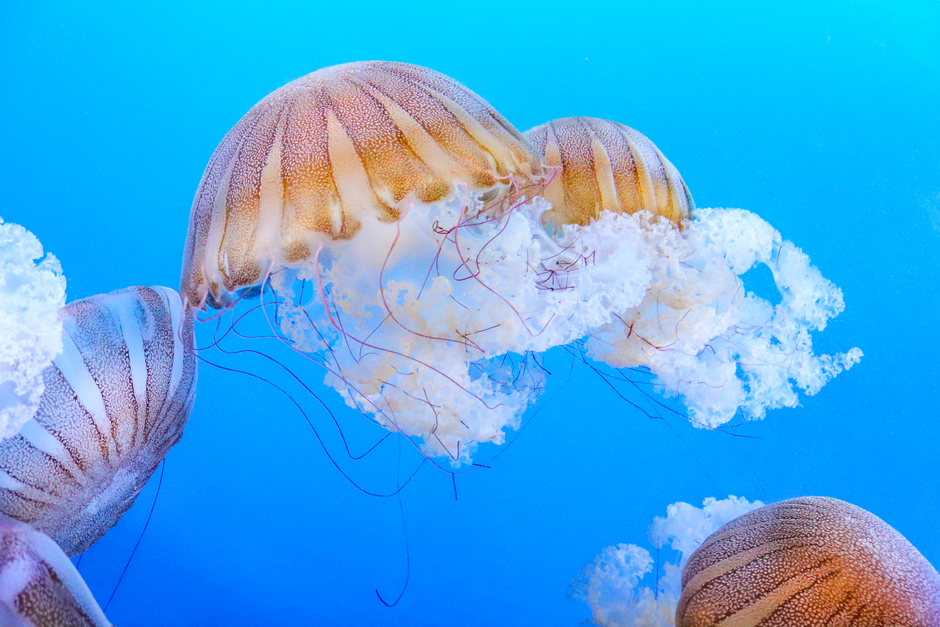
Not every jellyfish in Phuket is a box jellyfish, and that distinction changes how you should respond.
True box jellyfish belong to the class Cubozoa and include species such as Chironex and Chiropsella. These carry a potent venom that can cause severe pain, skin damage, and in extreme cases cardiac complications. They are present in Thai Andaman Sea waters but sightings at Phuket’s main tourist beaches are not an everyday occurrence.
Fire jellyfish (Chrysaora species) are far more commonly behind the stings reported at beaches like Patong and Karon. Their sting causes intense burning pain and an angry red rash but is not cardiotoxic. Bluebottles wash in periodically, particularly after strong winds. Moon jellyfish are common and largely harmless.
If you are stung in Phuket, it is more likely a fire jellyfish than a box jellyfish. That does not mean you ignore it. Fire jellyfish stings can be genuinely painful and can trigger allergic reactions. What it means is that automatic panic is not useful, but careful first aid and clinical review for anything beyond mild local pain absolutely is.
When Phuket Box Jellyfish Stings Peak
Jellyfish activity in the Andaman Sea follows the southwest monsoon. Risk rises from May onward and tends to be highest from July through October, when rougher seas push jellyfish closer to shore. The rainy season brings both higher numbers and reduced water visibility, which makes accidental contact more likely.
Jellyfish do not follow a strict calendar. Warm, calm periods in November and April can still bring blooms. Checking local beach flag conditions before you enter the water is worth the 30 seconds it takes.
After strong offshore winds die down, jellyfish that were pushed out to sea can wash back in quickly. This is relevant for liveaboard divers heading out to Phi Phi, Racha Yai, or the Similan Islands. Offshore sites can have higher concentrations in peak season, away from the flag systems that beach lifeguards manage.
Phuket Beach Risk by Location
| Beach | Most Reported Species | Notes |
|---|---|---|
| Patong | Fire jellyfish, moon jellyfish | Lifeguard stations present; flag system in use |
| Kata / Kata Noi | Fire jellyfish, occasional box jellyfish | Reef proximity increases contact risk for snorkelers |
| Karon | Fire jellyfish | Long open beach; risk higher after rough weather |
| Nai Harn | Fire jellyfish, bluebottle | Risk increases after storms |
| Kamala | Fire jellyfish | Less patrolled than Patong; fewer warning systems |
| Kalim / Surin | Occasional box jellyfish reports | Rocky entry points increase accidental contact |
| Nam Bo Bay | Box jellyfish reports documented | Less tourist-facing; relevant for boat trip passengers |
This table reflects reported incidents and local lifeguard knowledge, not formal surveillance data. Species identification at the beach level is often uncertain.
Vinegar Stations and First Aid on Phuket Beaches
The core first aid principle is simple: vinegar deactivates unfired nematocysts (the stinging cells still on your skin) and reduces further venom delivery. Pour vinegar, a solution of around 5% acetic acid, over the affected area for at least 30 seconds.
Some Phuket beaches have vinegar stations near lifeguard posts, particularly at Patong where lifeguard stations are more consistently staffed. Kata and Karon have some coverage. Kamala, Kalim, and smaller bays often do not. Do not count on finding vinegar on the beach.
What you should not do matters as much as what you should. Do not rinse with fresh water; it can trigger remaining nematocysts to fire. Do not rub the area. Do not apply urine, alcohol, or ice directly to the sting. After vinegar application, carefully remove visible tentacles using a card, shell, or gloved hand, never bare fingers.
If vinegar is not available, remove tentacles carefully without rubbing, rinse gently with seawater only, immobilise the limb, and go directly to the nearest lifeguard post or clinic. Seawater is a neutral fallback. Fresh water is not.
Lycra Suits and Prevention for Phuket Waters
A full-coverage lycra stinger suit is the most reliable personal protection for swimming and snorkeling in Phuket during jellyfish season. It covers the torso, arms, and legs without restricting movement and provides meaningful barrier protection against tentacle contact. Neoprene wetsuits offer even better coverage for divers.
Stinger suits are available to rent or buy at several dive shops in Kata, Karon, and Patong. If you are booking a snorkel or dive trip during the May to October window, ask the operator whether suits are provided.
Swim inside flagged zones where lifeguards are watching. If the sea has been rough overnight and conditions have just calmed, wait; that is exactly when jellyfish wash in close to shore. For general guidance on staying safe from jellyfish in Phuket, including flag systems and beach conditions, that resource is worth checking before you head to the water.
Signs of a Dangerous Sting
Most jellyfish stings in Phuket cause local pain, a red rash, and welts that fade over hours. Those are uncomfortable but not emergencies. Some stings are different.
Go to a clinic or call 1669 immediately if you notice any of these after a sting: chest pain, difficulty breathing, a rapid or irregular heartbeat, dizziness or collapse, severe pain spreading beyond the sting site, or swelling of the lips or throat. These may indicate cardiotoxic venom from a true box jellyfish, or an anaphylactic reaction to any species. Both can deteriorate quickly.
Irukandji syndrome is worth knowing about. Some smaller Cubozoan species produce delayed symptoms including severe back and abdominal pain, sweating, nausea, and a feeling of dread, appearing typically around 30 minutes after a sting that may have felt mild at first, though onset can range from about 5 minutes to 2 hours. If you felt something sting you in the water and develop any of those symptoms in the following hour, seek care immediately.
Delayed allergic reactions can also appear hours after the initial sting. A spreading rash, hives, or new swelling appearing two to four hours later warrants assessment. Jellyfish sting treatment in Phuket is available at Takecare Clinic Phuket in Patong, with same-day assessment for systemic reaction, pain relief, and antihistamines where needed.
What to Do in the First Minutes After a Sting
Get out of the water first. Do not stay in to identify the jellyfish. If someone else has been stung, do not grab them without protection; more tentacles may still be on their skin or in the water around them.
Call 1669 if any systemic symptoms are present. That is the Thai emergency number, it works across the island, and the operator can dispatch help to your location. Do not drive yourself to hospital if you are feeling unwell after a sting.
Immobilise the affected limb if possible. Keep the person calm and still. Apply vinegar for at least 30 seconds, covering the entire sting area. Remove visible tentacles using a card or implement, never bare hands. Do not apply fresh water, ice, or anything other than vinegar.
After first aid, go to a clinic even if symptoms seem mild. A sting that feels manageable on the beach can change. Skin rash assessment and treatment is available at Takecare Clinic Phuket alongside sting-specific review. If there is any wound from marine animal contact alongside the sting, animal bite and wound care is also available at the same walk-in visit.
If you have been stung by a jellyfish in Phuket, or you are not sure what stung you and symptoms are spreading, Takecare Clinic Phuket in Patong is open with no appointment needed and English-speaking physician care. We see jellyfish stings, allergic skin reactions, and post-sting assessments the same day. Walk in, or call ahead if you need guidance on whether your symptoms need urgent attention. We serve patients across the whole island, from Patong and Kata to Rawai, Kamala, and Phuket Town.
FAQ
Dr. Ponlawat Pitsuwan
Physician, Takecare Medical Clinic Phuket
a walk-in medical clinic based in Patong with no appointment needed and English-speaking physician care for the whole island. He sees tourists, expats, and residents across Phuket for jellyfish stings, marine envenomations, allergic skin reactions, and related urgent care concerns. His focus is straightforward, evidence-based care delivered in plain language.
References
The information in this article is for educational purposes only and does not constitute medical advice. It should not be used to self-diagnose or replace a consultation with a qualified physician. If you have concerns about your health, contact a licensed medical professional. For appointments at Takecare Clinic Phuket, visit takecareclinicphuket.com.
