

Clinically reviewed by Dr. Ponlawat Pitsuwan, Physician, Takecare Medical Clinic Phuket.
Last reviewed: November 2026
Adventure activity injuries in Phuket range from rope burns and harness abrasions to fractures and head injuries after a high-speed water landing. Most minor injuries can be treated at a walk-in clinic the same day. Suspected spinal injury, loss of consciousness, difficulty breathing, or severe head trauma need a hospital emergency room immediately. If you feel fine right after a fall, get a clinical check anyway: delayed symptoms after a water impact are common and worth taking seriously.
You booked the parasailing from a guy on Karon Beach. It looked straightforward. Then the landing went wrong, the harness yanked hard on impact, and now your shoulder is not right and your lower back is starting to ache. The adrenaline is still there, your group is asking if you are okay, and you are not sure whether this is sore-and-fine or sore-and-serious.
That is the moment this article is written for. Not the research phase back home, but the thirty minutes after something went wrong on a Phuket beach. What injuries are realistic, what warning signs mean hospital now, and what can wait until you walk into a clinic without an appointment.
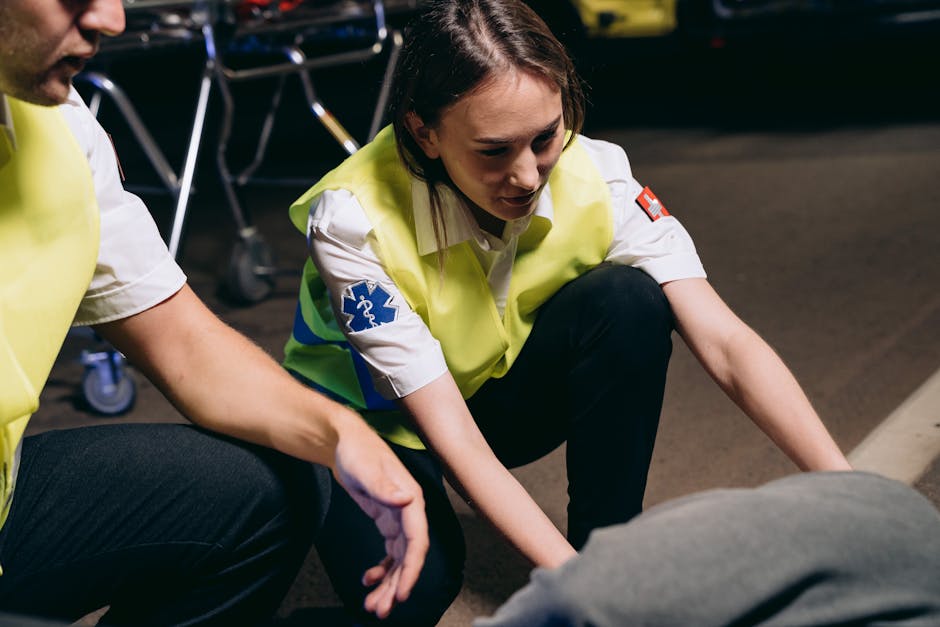
Common Injuries from Phuket Adventure Activities
Each activity produces its own injury pattern, and knowing which you are dealing with helps you decide fast.
Parasailing landings are the most common source of non-fatal injuries. A normal landing is gentle. An unexpected drop or a hard water entry at the wrong angle can compress the lower spine, especially at the junction where the mid-back meets the lower back. Harness strap abrasion is also common and often dismissed. The straps cut into inner thighs and armpits during a rough ride or sudden jerk, leaving friction burns that need proper cleaning in Phuket’s heat and humidity.
Jet skis produce a different set of problems. Falls at speed cause deep bruising, soft tissue damage, and occasionally rib fractures from hitting the water surface flat. Propeller contact is less common but causes serious lacerating wounds that need same-day assessment without exception.
ATV and zipline injuries overlap more with road and mechanical accidents. ATVs on the hill trails around Kamala and Rawai tip on loose gravel, causing wrist fractures from bracing a fall and abrasions that embed debris into the skin. Zipline incidents usually involve platform stumbles or harness problems: wrist and ankle sprains, shoulder dislocations, and impact bruising from an uncontrolled swing into a tree or platform.
Across all four activities, wounds that seem superficial can progress faster here than visitors expect. A reef graze from a jet ski fall near the rocks off Kata or Karon, or an ATV abrasion with grit in the wound, can look fine for a day and then flare badly. Tetanus risk is real for any dirty or puncture wound, so check your vaccination history.
Choosing Safer Operators
There is no universal licensing system that guarantees safety, but there are things you can check before you get in the harness.
Ask to see the equipment up close. Parasailing harnesses should have no fraying on the straps, no corroded buckles, and secure attachment points. If the crew cannot demonstrate how to release the tow in an emergency, that is a problem. For jet skis, check that a life vest is provided and fits properly before you pay.
Watch the weather. Operators running parasailing in strong wind or chop are taking a risk with your landing. Phuket’s afternoon sea breezes pick up fast, particularly between May and October. An operator who will not cancel in those conditions is prioritising income over your safety.
Booking through a hotel or registered tour desk does not guarantee the activity is safe, but it does create a paper trail and can affect your insurance cover.

Insurance Exclusions for Adventure Sports in Phuket
Most standard travel insurance policies exclude parasailing, jet skiing, ATV riding, and ziplining unless you have bought an adventure sports add-on.
Read your policy before you book the activity, not after. Look for terms like "organised excursion clause" and "supervised activity." Some policies cover parasailing only if booked through a licensed operator or registered tour company, not directly from a beach vendor. If you walked up to someone on Patong Beach and paid cash, your cover may be void regardless of the add-on you bought.
Pre-existing condition exclusions also come up here. If you have a prior back or neck injury, a claim for a spinal compression fracture from a parasailing landing may be challenged. Keep all medical records from this trip and any prior consultations on the same body area.
The practical reality in Phuket is that operators rarely pay medical bills at the scene. Most tourists fund their own care upfront and claim back later. That means knowing where to get treatment quickly and knowing what to document.
Head and Spine Warning Signs After a Phuket Parasailing Accident
These symptoms after any fall from height or hard water entry mean go to a hospital emergency room now, not a clinic.
Loss of consciousness at any point, even briefly. Confusion, memory gaps, or difficulty concentrating. A headache that is worsening rather than settling. Vomiting after the incident. Numbness, tingling, or weakness in your arms or legs. Pain that runs from the neck or lower back into a limb.
Spinal compression injuries at the thoracolumbar junction, where the mid-back meets the lower back, can present with mild or delayed pain. You might feel sore rather than seriously injured. That is exactly why a high-impact water landing warrants a clinical review even when you feel okay in the first hour.
Secondary drowning is a risk if you inhaled water during a fall. Symptoms can develop hours later: coughing, shortness of breath, chest tightness, or unusual fatigue. If you swallowed or inhaled water during the incident, monitor closely and seek assessment if any respiratory symptoms appear.
Concussion symptoms do not always arrive immediately. If you hit your head or were knocked around in the harness and develop a headache, light sensitivity, or nausea later that evening, do not sleep it off without telling someone where you are.
What to Do After an Incident on a Phuket Beach
The first thirty minutes matter more than most visitors realise.
Do not move anyone with a suspected neck or spinal injury until medical help arrives. Call 1669 for ambulance services in Phuket, or 1155 for the Thai Tourist Police, who can help with translation and directing you to the right care. Do not let an operator pressure you to leave the scene quickly.
Document everything before you leave. Photograph the equipment: the harness, the tow rope, the boat, and its registration number. Get the operator’s name, phone number, and any booking receipt. If there are witnesses, take their contact details. A written incident report is better than a verbal one.
At the clinic, keep every receipt, every document, and every photo. Your insurer will want them. For wound care, lacerations, or abrasion injuries after an ATV or jet ski fall, motorbike and activity injury care at Takecare Clinic Phuket is available the same day with no appointment needed.
For anything involving a suspected fracture, head injury, or spinal symptom, go to a hospital emergency room in Phuket. For soft tissue injuries, burns, rope abrasions, bruising, and mild sprains, a walk-in clinic is the right first stop. Takecare Clinic Phuket is based in Patong and sees patients from Karon, Kata, Kamala, Rawai, and Bang Tao after beach activity incidents. For wounds that need cleaning, dressing, or follow-up checks, professional wound care in Phuket is available without an appointment.
Injured after a parasailing, jet ski, ATV, or zipline activity in Phuket? Takecare Clinic Phuket offers same-day walk-in wound care, injury assessment, and English-speaking physician care with no appointment needed. We are based in Patong and see patients from across the island, including Karon, Kata, Kamala, Rawai, and Bang Tao. Visit us at 34/14 Prachanukhro Rd, Kathu District, Patong, or find us at takecareclinicphuket.com. For suspected spinal injury, head trauma, or loss of consciousness, go directly to a hospital emergency room.
Frequently Asked Questions
Dr. Ponlawat Pitsuwan
Physician, Takecare Medical Clinic Phuket
a walk-in medical clinic based in Patong with no appointment needed and English-speaking physician care available for patients across the island. He sees tourists, expats, and residents for injury assessment and wound care following adventure activity incidents, including parasailing, jet ski, ATV, and zipline injuries. His focus is straightforward, evidence-based care delivered in plain language.
References
- World Health Organization. Spinal cord injury: key facts. WHO, 2024.
- Centers for Disease Control and Prevention. Traumatic brain injury and concussion. CDC, 2024.
- NHS. Head injury and concussion: symptoms. NHS, 2023.
- Centers for Disease Control and Prevention. Healthy swimming: recreational water illnesses. CDC, 2024.
- Kendall KM et al. Thoracolumbar fractures associated with the use of personal watercraft. Spine, 2002.
- Merck Manuals. Compression of the spinal cord. MSD Manual Consumer Version, 2024.
The information in this article is for educational purposes only and does not constitute medical advice. It should not be used to self-diagnose or replace a consultation with a qualified physician. If you have concerns about your health, contact a licensed medical professional. For appointments at Takecare Clinic Phuket, visit takecareclinicphuket.com.
