

Clinically reviewed by Dr. Ponlawat Pitsuwan, Physician, Takecare Clinic Phuket.
Last reviewed: November 2026
Child fever in Thailand can have several causes, from a simple viral infection to dengue. Paracetamol dosed by your child’s weight is the safe first step. Avoid ibuprofen until dengue is ruled out. If your child’s fever has lasted more than two days, a rash has appeared, or you notice any bleeding, seek same-day medical assessment.
You are three days into a family holiday in Phuket. Your child woke up hot, off their food, and unusually quiet. The thermometer reads 38.8°C. You have paracetamol in your bag, but you are not sure whether this is a holiday bug or something that needs a doctor today. That uncertainty is exactly what this guide is for.
Phuket’s rainy season runs from May through October, and mosquito-borne illness, including dengue, is a real part of daily life here. It matters whether your child stayed at a resort in Kamala, visited a waterfall near Thalang, or spent evenings at a villa with an open garden in Chalong. Where they have been shapes what they might have caught.
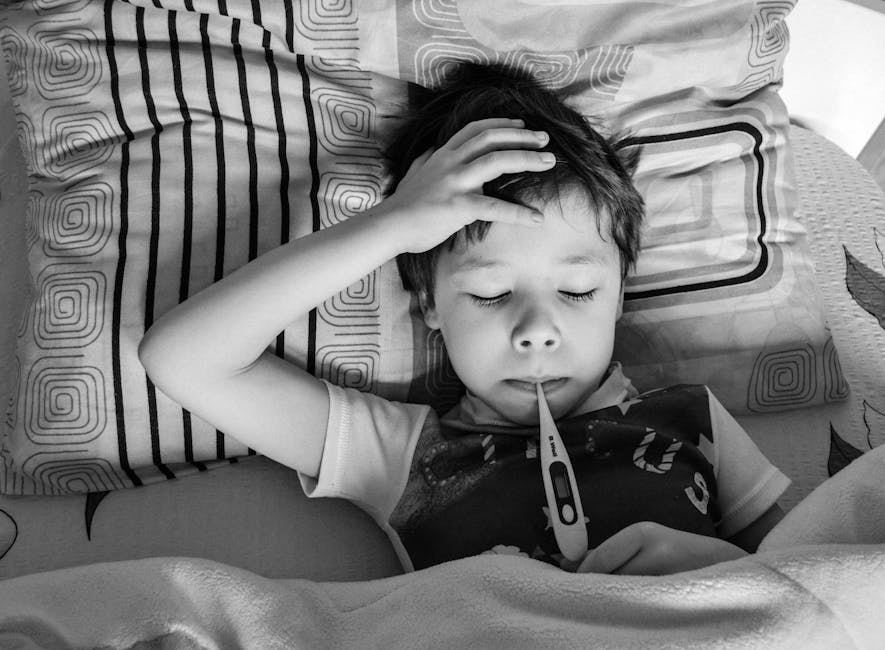
Common Causes of Child Fever on Holiday in Phuket
Most childhood fevers in Phuket are caused by the same viral infections you would see at home: upper respiratory viruses, ear infections, and hand-foot-mouth disease. Hand-foot-mouth is widespread in Thailand and causes mouth sores plus a rash on the palms and feet. These usually resolve within a few days with rest and fluids.
Food-related illness is another common trigger. Children are more vulnerable to dehydration from vomiting and diarrhea, and in Phuket’s heat that can progress faster than parents from cooler climates expect. If your child is not keeping fluids down, oral rehydration solution from any 7-Eleven on the island is the right first step. If they are still not drinking after a few hours, that changes things. A visit for diarrhea treatment in Phuket is worth arranging sooner rather than later.
A fever that is not improving after two to three days, with muscle aches and sometimes a rash, can point to a rickettsial infection. These are spread by ticks or mites, not mosquitoes, and are seen in children who have spent time in greenery around Chalong, Cherng Talay, or the Thalang area. They do not show up on a dengue test and respond to a specific antibiotic. Waiting longer without assessment is not the right call.
Enteric fever, sometimes called typhoid, is a consideration for children who have eaten street food or drunk from an uncertain water source. It tends to build slowly over days. Any child with a persistent fever of several days and no obvious cause should be tested rather than managed at home.
Dengue Warning Signs in Children
Dengue is the fever parents worry about most in Phuket, and rightly so. The dangerous window is not obvious. The fever usually starts high in the first few days. Most parents assume the worst is over when the temperature drops around day three to seven.
It is not. That temperature drop marks the start of the critical phase. This is when platelet counts can fall and fluid can shift out of blood vessels. Children can deteriorate quickly during this window. A child who seemed to be improving on day four but then becomes very tired, refuses to drink, or starts vomiting again needs to be seen the same day.
Watch for these red flags: bleeding from the gums or nose, blood in urine or stool, bruising without injury, persistent vomiting, severe abdominal pain, rapid breathing, or a child who is unusually hard to wake. Do not wait until morning if any of these appear.
A dengue rash typically appears between day three and day six. It is flat or slightly raised and tends to spare the palms and soles. Any rash alongside a fever in a child who has been in Phuket should prompt same-day testing. The dengue fever treatment page covers what to expect when you bring a child in.
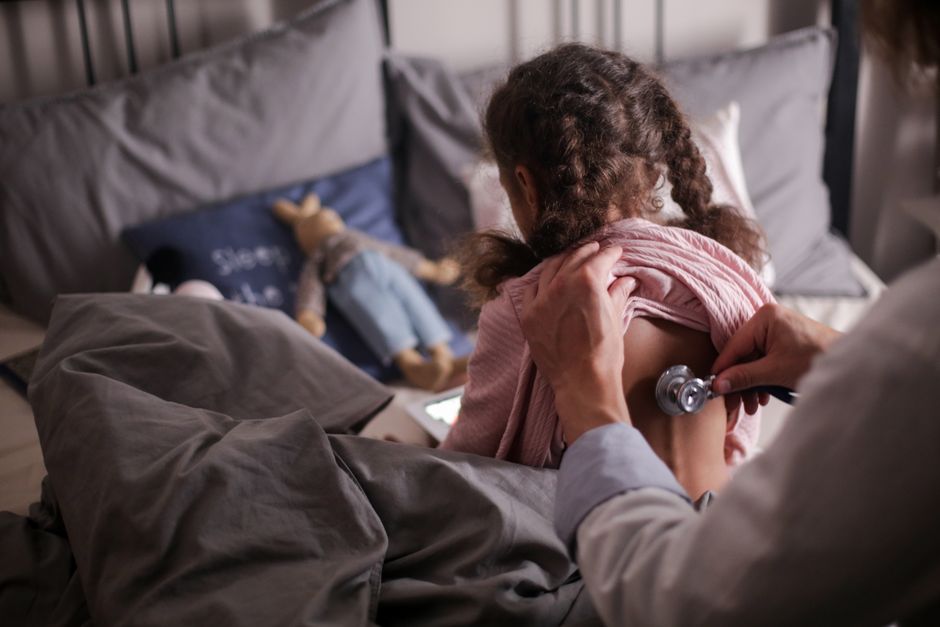
Safe Fever Medicines for Children in Phuket
Paracetamol is the right medicine for a child with fever in Phuket. It is widely available at pharmacies across the island, branded as Panadol Children’s or as a generic. The important thing is dosing by weight, not by age. Thai packaging may list age brackets that do not match your child’s weight, so check the mg per mL concentration and calculate accordingly.
Do not give ibuprofen if dengue has not been ruled out. Ibuprofen is an NSAID, and in dengue it may increase the risk of bleeding by affecting platelet function. WHO and CDC guidelines advise against NSAIDs in dengue because of this concern, and paracetamol is the recommended alternative. If your child has a fever during Phuket’s rainy season, hold the ibuprofen until a doctor has assessed them.
Aspirin must never be given to children, regardless of the reason for the fever. It carries a risk of a serious condition called Reye’s syndrome. This applies everywhere, not just in dengue.
Tepid sponging can help a child feel more comfortable while paracetamol takes effect. Use lukewarm water, not cold, and focus on the forehead, neck, and armpits.
When to See a Doctor for Child Fever in Phuket
Bring your child to a clinic the same day if the fever has lasted more than two days without a clear cause, if a rash appears alongside the fever, or if your child is significantly less active than usual or refusing fluids. For general fever assessment, the fever treatment page gives useful context.
Go directly to an emergency department or call 1669, Thailand’s ambulance number, if your child has a seizure, is unresponsive or very hard to wake, is showing any of the dengue red flags listed above, or is under three months old with any fever.
For parents who do not want to navigate a large Thai hospital without language support, Takecare Clinic Phuket in Patong sees children as walk-in patients with no appointment needed. Consultations are with an English-speaking physician. Same-day dengue NS1 antigen testing is available on-site. The NS1 test is reliable from day one to day five of symptoms. From day five onward, IgM and IgG serology gives a clearer picture. The dengue test page explains what the process involves.
If you are in Rawai, Nai Harn, Kata, Bang Tao, or anywhere else on the island, the clinic still serves you. It is worth knowing your nearest route before you need it.
Is your child running a fever in Phuket and you are not sure if it needs same-day attention? Come in without an appointment. Takecare Clinic Phuket is based in Patong and offers English-speaking physician care and same-day dengue testing for children across the whole island. Use the contact button below to reach us or find directions.
Frequently Asked Questions
Dr. Ponlawat Pitsuwan
Physician, Takecare Medical Clinic Phuket
a walk-in medical clinic based in Patong with no appointment needed and English-speaking physician care for the whole island. He sees tourists, expats, and residents across Phuket for child fever assessment, dengue testing, and acute illness in children and adults. His focus is straightforward, evidence-based care delivered in plain language.
References
- World Health Organization. Dengue and severe dengue. WHO Fact Sheet, 2024.
- Centers for Disease Control and Prevention. Dengue Clinical Guidance. CDC, 2024.
- Reyes M, et al. Use of non-steroidal anti-inflammatory drugs in dengue fever and the risk of severe dengue: A systematic review. Postgraduate Medicine, 2019.
- Guzman MG, et al. Dengue infection. Nature Reviews Disease Primers, 2016. PMC review of dengue clinical features including rash timing.
- Blacksell SD, et al. The comparative accuracy of 8 commercial rapid immunochromatographic assays for the diagnosis of acute dengue virus infection. Clinical Infectious Diseases, 2006.
- NHS. Febrile seizures. NHS, 2023.
The information in this article is for educational purposes only and does not constitute medical advice. It should not be used to self-diagnose or replace a consultation with a qualified physician. If you have concerns about your health, contact a licensed medical professional. For appointments at Takecare Clinic Phuket, visit takecareclinicphuket.com.
