
Clinically reviewed by Dr. Ponlawat Pitsuwan, Physician, Takecare Clinic Phuket.
Last reviewed: November 2026
Phuket island itself sits in a low-risk zone for malaria. Most visitors staying in beach resorts, hotels, or town areas do not need malaria tablets. The real risk question is not Phuket itself but where your itinerary takes you: jungle overnight stays in Phang Nga province, Khao Sok, or forested border areas of southern Thailand change the picture. If you develop a fever during or after your trip, get tested the same day, as dengue is far more common here and the two can look identical early on.
You have booked a week in Kata, maybe a boat trip to the Similans, possibly an overnight at Khao Sok. Now you are wondering whether to pack malaria tablets or whether Phuket is safe enough without them. The answer depends more on your exact itinerary than on the word "Phuket."
The island itself carries a low malaria risk. Thai health authorities and the WHO do not routinely recommend antimalarial drugs for tourists staying in Phuket’s main resort and town areas. But low risk is not zero risk, and certain day trips or overnight excursions from Phuket cross into forested zones where the picture is different. Knowing which applies to your trip is the whole decision.
Malaria Risk in Phuket
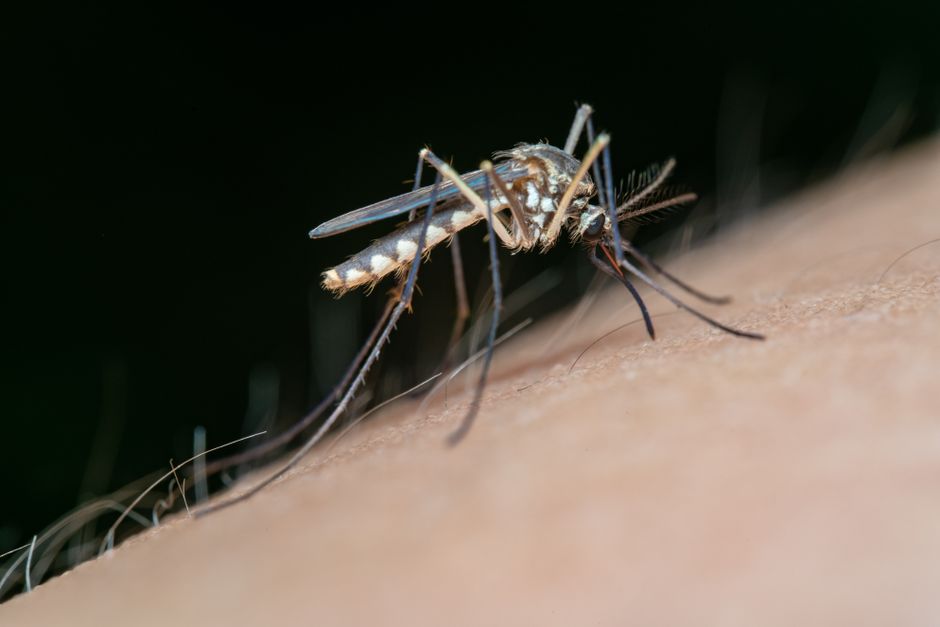
Phuket is an island. Its main areas, Patong, Kata, Karon, Kamala, Surin, Bang Tao, Rawai, Nai Harn, Chalong, and Phuket Town, are classified as low-risk for malaria by Thai health authorities and international travel medicine guidelines. The mosquito that transmits malaria, Anopheles, is present in Thailand but is not commonly found in the built-up beach and hotel zones where most visitors spend their time.
What is common here is dengue. The Aedes mosquito bites during the day and thrives anywhere standing water collects, including hotel gardens, Rawai streets, and residential sois in Chalong. Early dengue and early malaria can feel almost identical: sudden high fever, chills, body aches, and headache. A fever in Phuket should not be assumed to be one or the other without a blood test. If you get sick here, testing for both is the right call. You can find out more on our dengue testing page.
One point that matters before you even see a doctor: do not take ibuprofen or aspirin for a fever in Phuket until you have a diagnosis. Both drugs increase bleeding risk in dengue haemorrhagic fever. Paracetamol only, until a doctor has seen your blood results.
Higher-Risk Areas in Thailand Near Phuket
The provinces with meaningfully higher malaria risk are those bordering Myanmar, Cambodia, and Malaysia, particularly forested and rural zones in Tak, Mae Hong Son, Ranong, Yala, Narathiwat, and Trat. In southern Thailand, Ranong and parts of Phang Nga province, which borders Phuket to the north, have historically had patchy transmission in rural forested areas.
Thailand’s malaria strains include Plasmodium falciparum, the most dangerous type, and Plasmodium vivax. Much of Thailand’s P. falciparum is chloroquine-resistant, meaning the oldest and cheapest antimalarial does not reliably work against it. This matters for anyone actually entering a risk zone. Standard over-the-counter antimalarials from some countries are not adequate here.
The WHO malaria map places Phuket island outside the main transmission zones. The forested interior of Phang Nga, away from the highway and tourist infrastructure, sits in a different category from Phuket’s beaches.
What Phuket Day Trips Actually Mean for Risk
Khao Sok National Park and Khao Lak are popular day trips and overnight destinations from Phuket. Both sit in Phang Nga province. A guided daytime visit to Khao Sok carries very low risk. An overnight stay in jungle accommodation, especially near the lake or forest interior, raises that risk enough to warrant a conversation about bite prevention and possibly prophylaxis.
The Similan Islands are an open-water destination. You are on a liveaboard or a day boat, not in a forested transmission zone. Malaria risk there is not the concern: seasickness, sun exposure, and ear infections from diving are. The key rule is simple: if you are sleeping in a forested area overnight, talk to a doctor before you go.

Do You Need Malaria Tablets for Phuket?
For a standard Phuket beach holiday in Patong, Kata, Karon, Kamala, Surin, Bang Tao, or Rawai, with no overnight jungle itinerary, most travel medicine guidelines do not recommend antimalarial tablets. Enhanced mosquito bite prevention is the more practical and evidence-supported approach for this type of trip.
If your trip includes overnight stays in forested zones such as Khao Sok, or travel into higher-risk border provinces, then antimalarial prophylaxis is worth discussing with a doctor before you travel. Options used in Thailand include atovaquone-proguanil, doxycycline, and mefloquine. Each has different dosing schedules, side-effect profiles, and suitability depending on your health history. For example, doxycycline is not suitable in pregnancy or for young children, and mefloquine carries a warning for neuropsychiatric side effects that makes it unsuitable for some people. This is not a decision to make based on a forum post. Our travel medicine service can help you work through this before your trip starts.
The decision should always be made before you leave, not the morning you arrive at Khao Sok. Some antimalarials need to be started days to weeks before entering a risk area.
Mosquito Protection in Phuket
Whether or not you take tablets, bite prevention matters here. Dengue alone makes this worth taking seriously, and in Phuket’s rainy season, roughly May to October, mosquito activity across the whole island increases.
Use a repellent containing DEET, picaridin, or IR3535 on exposed skin from late afternoon onward. The Anopheles mosquito bites predominantly at dusk and during the night. The Aedes mosquito bites during the day. Covering both time windows is straightforward: apply repellent after any shower and re-apply after swimming or sweating. For overnight jungle stays, permethrin-treated clothing and a bed net add meaningful protection.
Air-conditioned hotels with screened windows significantly reduce overnight exposure. A beach bungalow with open sides in a forested area is a different situation entirely.
Fever After Travel in Phuket
If you develop a fever during your stay or within a few weeks of returning home, do not wait it out. P. falciparum typically causes symptoms within one to two weeks of exposure, though symptoms can appear up to about a month after the bite in some cases. P. vivax can take longer and can relapse months after the initial infection. A fever that appears two weeks after leaving Phuket still warrants a malaria test.
In Phuket, a same-day fever workup should include at minimum a dengue NS1 antigen test, dengue antibody testing, and a malaria rapid diagnostic test. A full blood count checks your blood cells and platelets and helps distinguish between the two early. At Takecare Clinic Phuket, these tests are available on a walk-in basis with results reviewed by an English-speaking doctor the same day.
Dehydration also moves faster in Phuket’s heat than most visitors from Northern Europe expect. A high fever here is not the same as a high fever at home. If you feel worse rapidly, come in rather than wait until morning. You can read more about managing fever at our fever treatment page.
Not sure whether your Phuket itinerary needs malaria tablets, or dealing with a fever right now? Takecare Clinic Phuket is a walk-in clinic in Patong with no appointment needed, extended hours, and English-speaking physician care for the whole island. We can run same-day blood tests for dengue and malaria, advise on travel health before a jungle trip, and help you work out what your fever actually is. Walk in or contact us at takecareclinicphuket.com.
Frequently Asked Questions
Dr. Ponlawat Pitsuwan
Physician, Takecare Medical Clinic Phuket
a walk-in medical clinic based in Patong with no appointment needed and English-speaking physician care for the whole island. He sees tourists, expats, and residents across Phuket for travel health consultations, fever assessment, mosquito-borne illness testing, and ongoing preventive care. His focus is straightforward, evidence-based care delivered in plain language.
References
- Centers for Disease Control and Prevention. Malaria Information and Prophylaxis, by Country: Thailand. CDC, 2025.
- Centers for Disease Control and Prevention. Choosing a Drug to Prevent Malaria. CDC, 2025.
- Merck Manual Professional Edition. Malaria. Merck, 2025.
- White NJ, et al. Relapses of Plasmodium vivax Infections. PMC, 2022.
- World Health Organization. Laboratory testing for dengue virus: Interim guidance. WHO, April 2025.
The information in this article is for educational purposes only and does not constitute medical advice. It should not be used to self-diagnose or replace a consultation with a qualified physician. If you have concerns about your health, contact a licensed medical professional. For appointments at Takecare Clinic Phuket, visit takecareclinicphuket.com.
